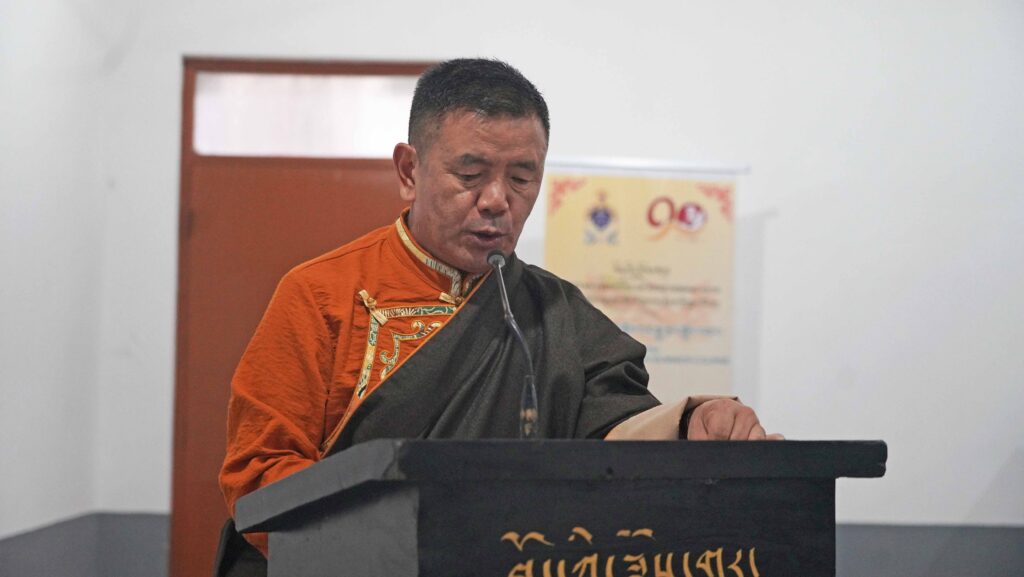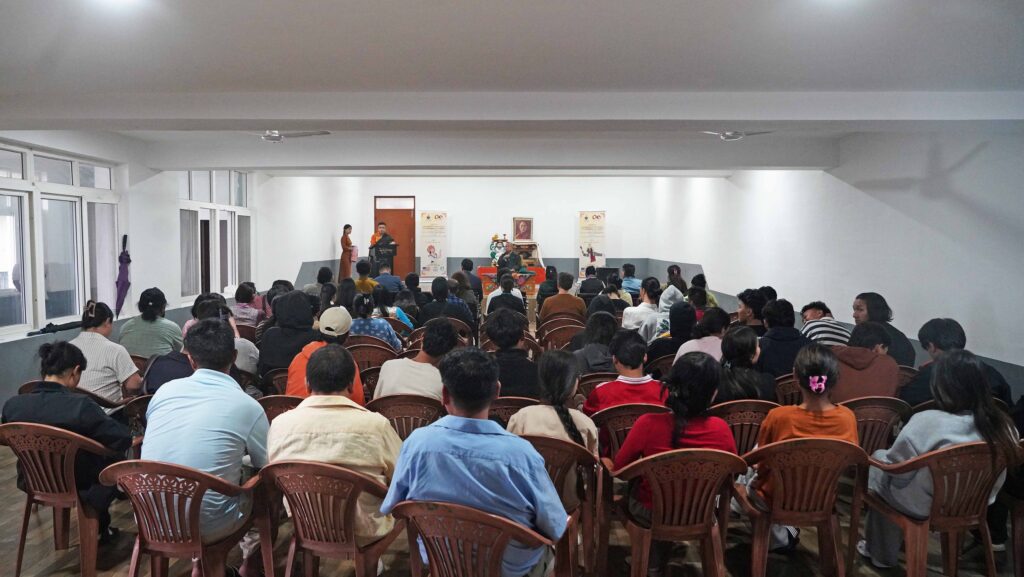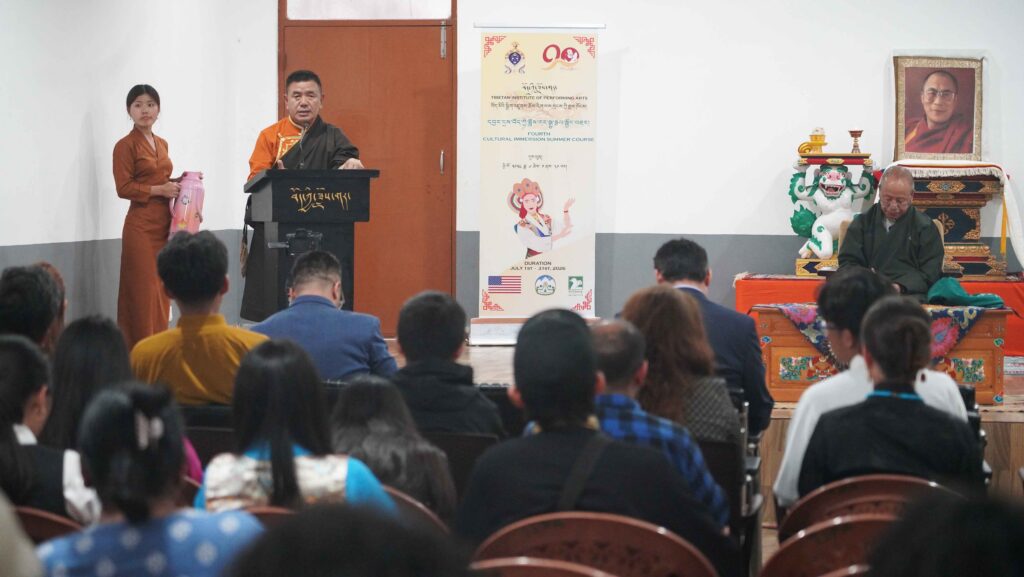
ཕྱི་ལོ་ ༢༠༢༦ ཟླ་ ༦ ཚེས་ ༣༠ ཉིན་རྒྱབ་བོད་ཀྱི་ཟློས་གར་ཚོགས་པའི་ཚོགས་ཁང་འོག་མའི་ནང་དབྱར་དུས་བོད་ཀྱི་ཟློས་གར་སྒྱུ་རྩལ་ཟབ་སྦྱོང་ཐེངས་བཞི་པའི་དབུ་འབྱེད་མཛོད་སྒོ་བསྐོང་ཚོགས་གནང་བ་དང་། མཛད་སྒོའི་སྐུ་མགྲོན་གཙོ་དཔལ་ལྡན་ཆོས་རིག་བཀའ་བློན་སྐུ་ངོ་ཆུ་སྐྱ་སྦྲ་གཉིས་ཚེ་རྒྱལ་མཆོག་གདན་ཞུ་གནང་སོང་།
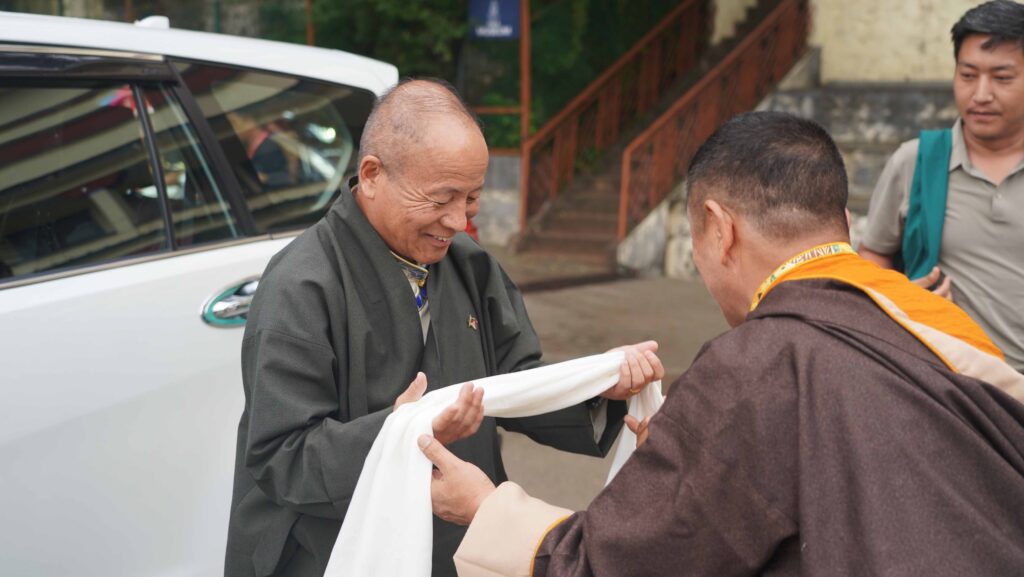
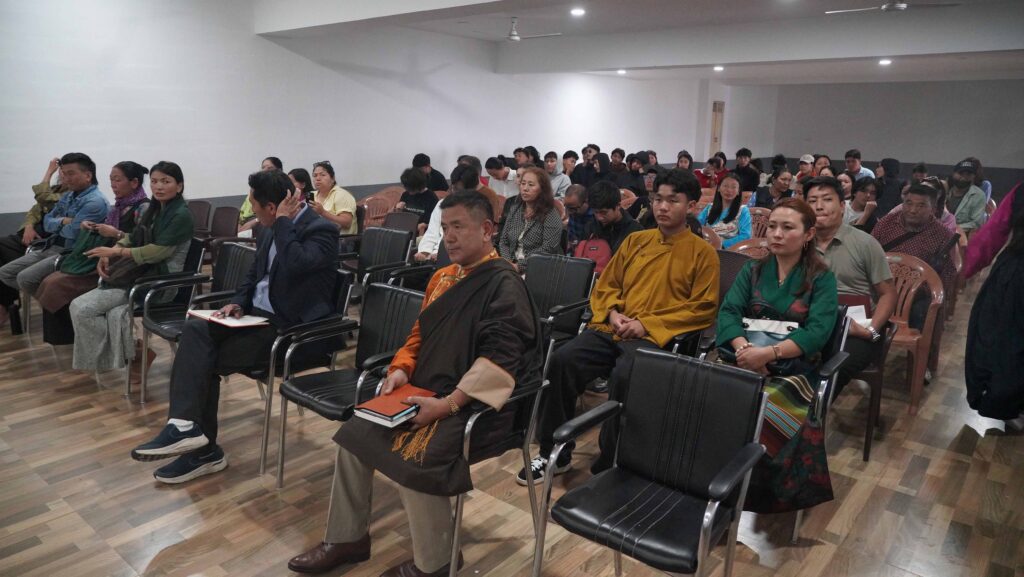
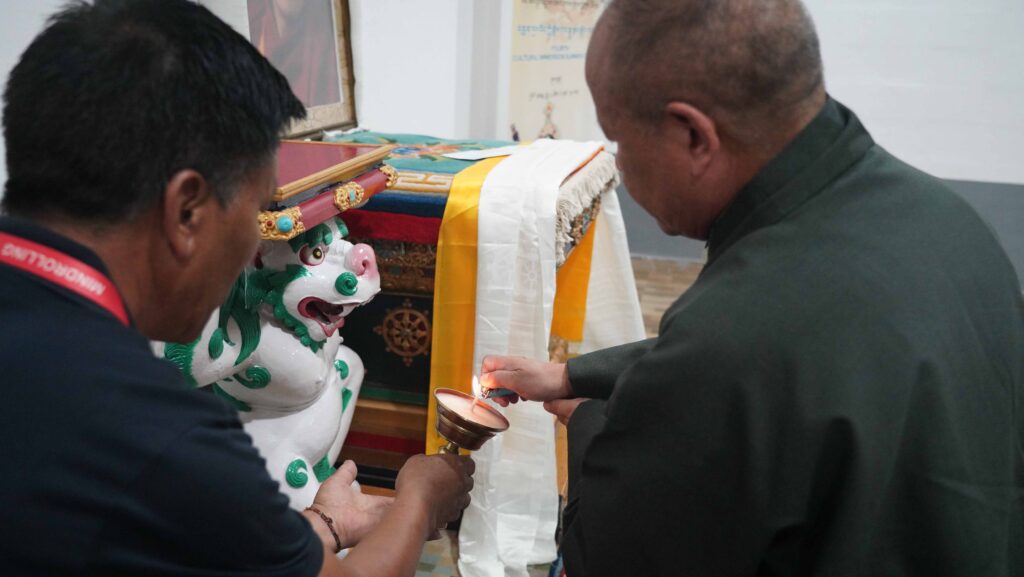
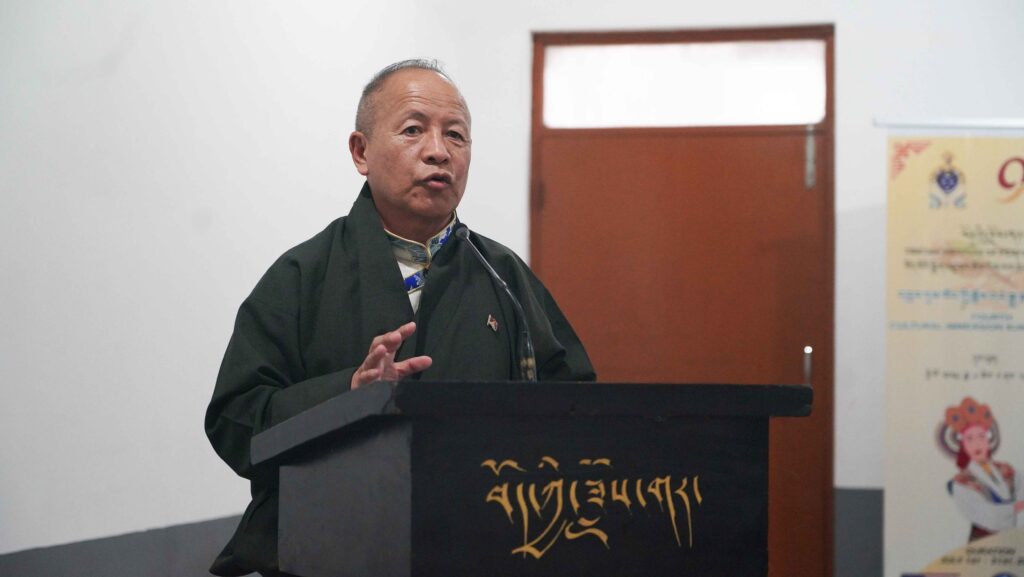
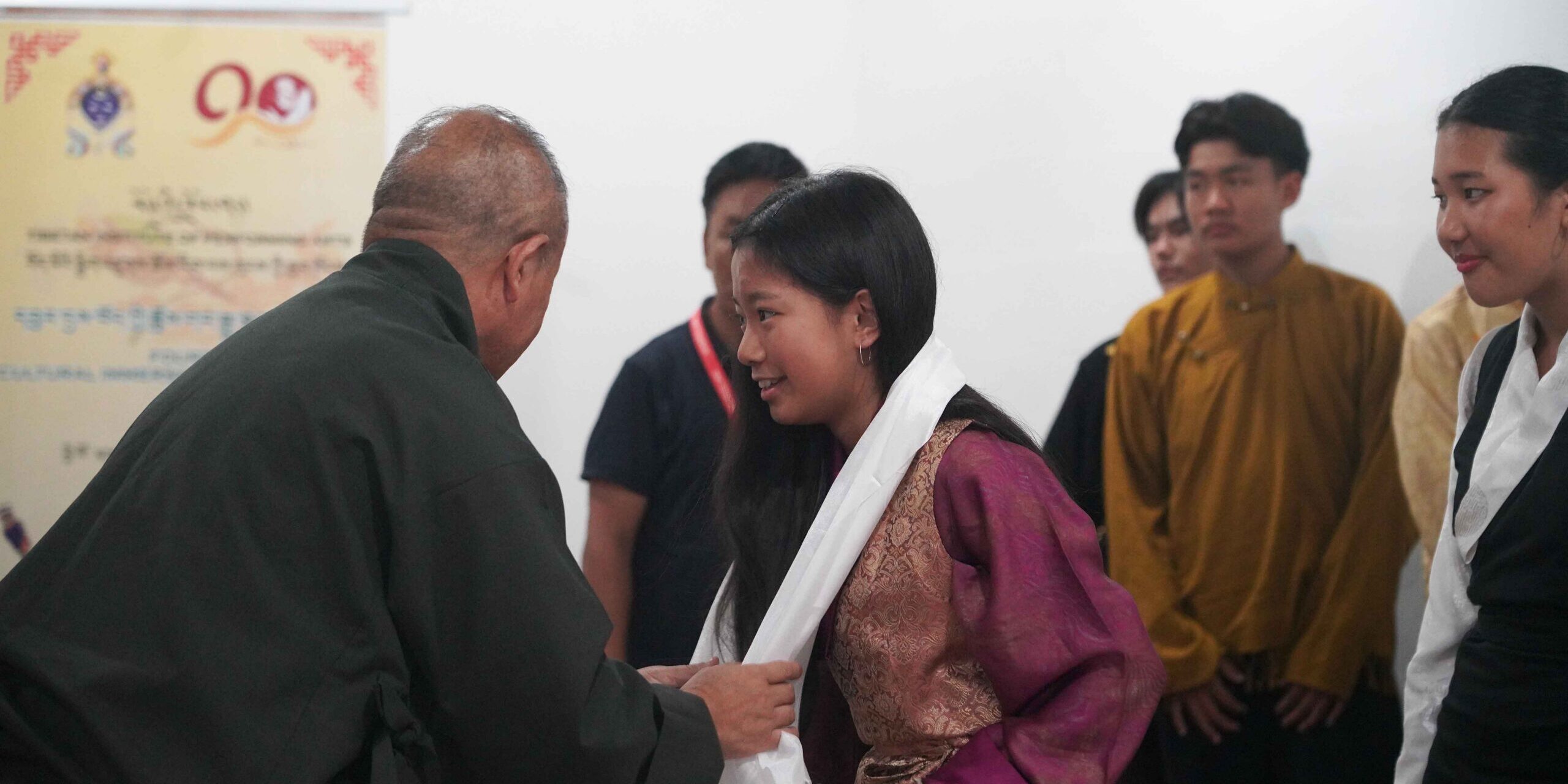
མཛོད་སྒོའི་ཐོག་མར་སྐུ་མགྲོན་གཙོ་བོ་མཆོག་ནས་སྐུ་པར་མཐོང་གྲོལ་རིན་པོ་ཆེ་ལ་མཇལ་དར་དང་མར་མེ་ཞལ་ཕྱེ་གནང་རྗེས་ཕྱི་རྒྱལ་ཡུལ་གྲུ་ཁག་ནས་ཕེབས་པའི་སློབ་མ་རྣམས་དང་ཁྱིམ་བདག་བཅས་ཚོགས་མི་ཡོངས་ལ་རྟེན་འབྲེལ་གསོལ་ཇ་འབྲས་སིལ་འདེགས་འབུལ་ཞུས་བ་དང་། ཟློས་གར་ཚོགས་པའི་སྤྱི་ཁྱབ་འགན་འཛིན་དོན་གྲུབ་ཚེ་རིང་ལགས་ནས་དབྱར་དུས་བོད་ཀྱི་ཟློས་གར་ཟབ་སྦྱོང་དང་འབྲེལ་བའི་ངོ་སྤྲོད་གསུང་བཤད་གནང་བ་རྗེས། སྐུ་མགྲོན་གཙོ་བོ་དཔལ་ལྡན་ཆོས་རིག་བཀའ་བློན་མཆོག་ནས་བཀའ་སློབ་ནང་། ད་ལན་དབྱར་དུས་བོད་ཀྱི་ཟློས་གར་སྒྱུ་རྩལ་ཟབ་སྦྱོང་ཐེངས་བཞི་པའི་ནང་མཉམ་ཞུགས་གནང་མཁན་སློབ་ཕྲུག་ཚོས་སློབ་གྲྭའི་གུང་གསེང་དང་བསྟུན་ཏེ་བོད་ཀྱི་ཟློས་གར་རིག་གཞུང་སློབ་སྦྱོང་གནང་བར་ཕེབས་པར་འཚམས་འདྲི་ཞུ་རྒྱུ་དང་། དེ་བཞིན་སློབ་ཕྲུག་ཚོར་རྒྱབ་སྐྱོར་གནང་མཁན་གྱི་ཕ་མ་ཡོངས་ལ་ཐུགས་རྗེ་ཆེ་ཞུས་གནང་སོང་། སྤྱིར་སློབ་ཕྲུག་རྣམ་པས་བོད་ཀྱི་ཟློས་གར་སྒྱུ་རྩལ་ཐོག་ཟླ་བ་གཅིག་རིང་སློབ་སྦྱོང་གནང་སྐབས་ངེས་པར་དུ་སློབ་ཕྲུག་ཕན་ཚུན་བཀའ་མོལ་གནང་སྐབས་བོད་སྐད་ཀྱི་ལམ་ནས་གནང་རྒྱུ་གལ་ཆེན་པོ་ཡིན་པ་དང་། ད་སྐབས་བོད་ནང་རྒྱ་ནག་གཞུང་གིས་མི་རིགས་སྐུ་འདེད་ཀྱི་ཁྲིམས་ཡིག་ཟེར་བ་ཞིག་དང་བཅའ་སྡོད་སློབ་གྲྭའི་གནས་སྟངས་འོག་བོད་ནང་རང་མི་རིགས་ཀྱི་སྐད་ཡིག་དང་རིག་གཞུང་རྩ་མེད་བཟོ་རྒྱུའི་སྲིད་བྱུས་སྤེལ་དང་སྤེལ་བཞིན་པར་སོང་། ང་ཚོ་བཙན་བྱོལ་དུ་ཡོད་པའི་གཞོན་ནུ་ཚོས་རང་མི་རིགས་ཀྱི་སྐད་ཡིག་ལ་ཐུགས་སྣང་གནང་དགོས་པ་དང་། དེ་བཞིན་བོད་ཀྱི་ཟློས་གར་རིག་གཞུང་སྤྱི་དང་རྐང་བྲོ་གླུ་གཞས་སོགས་ལ་དོ་སྣང་དང་འབད་བརྩོན་གནང་བ་ལྷུན་དུ་རང་ཉིད་ཀྱི་འཕྲོད་བསྟེན་ལའང་ཐུགས་སྣང་དགོས་པའི་བཀའ་སློབ་གནང་གྲུབ་མཚམས་བོད་ཀྱི་ཟློས་གར་ཚོགས་པའི་དྲུང་ཆེ་བསོད་ནམས་ཆོས་འཕེལ་ལགས་ཀྱིས་ཐུགས་རྗེ་ཆེ་གསུང་བཤད་གནང་སྟེ་མཛད་རིམ་རྒྱལ་ཁའི་ངང་གྲུབ་སོང་།
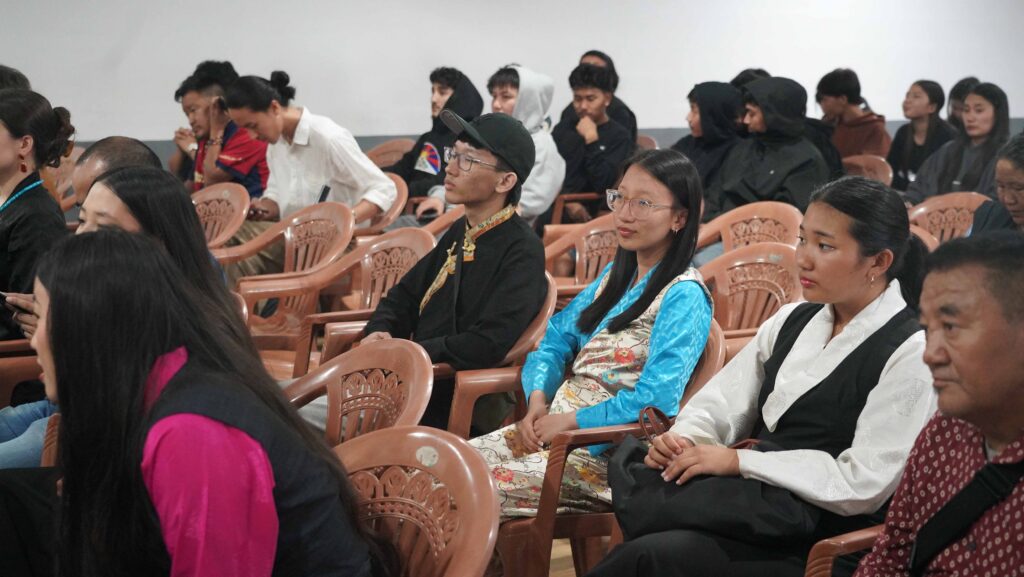
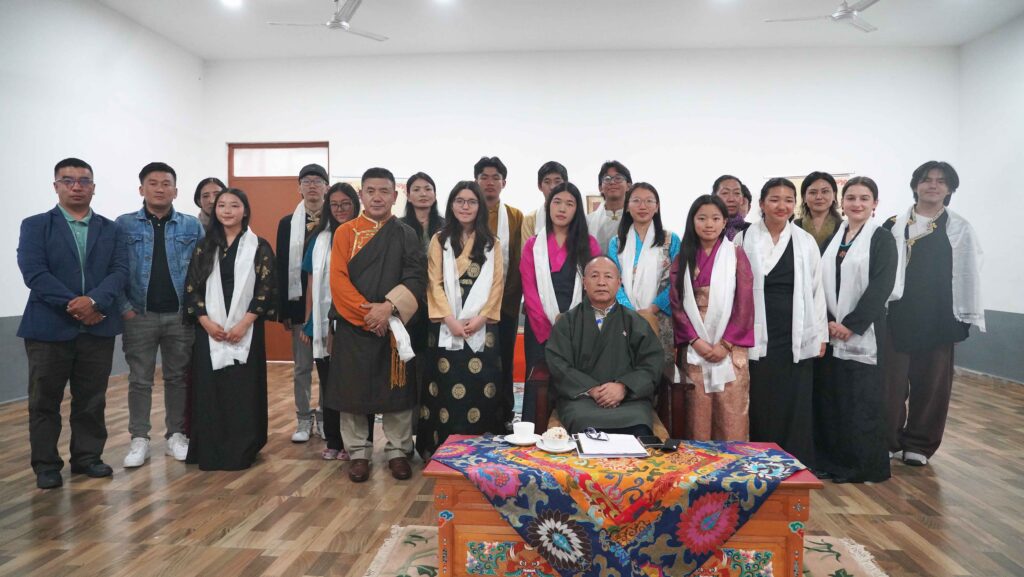
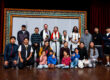
སྤྱིར་ད་ལན་དབྱར་དུས་བོད་ཀྱི་ཟློས་གར་སྒྱུ་རྩལ་ཟབ་སྦྱོང་འདི་ཉིད་ཕྱི་ཟླ་ ༧ ཚེས་ ༠༡-༣༡ བར་ཚོགས་ཀྱིན་ཡོད་པ་དང་། ཟབ་སྦྱོང་འདིའི་ནང་ཕྱི་རྒྱལ་ཡུལ་གྲུ་ཁག་བཞི་ཙམ་ནས་སློབ་ཕྲུག་བཅུ་བདུན་ཙམ་མཉམ་ཞུགས་གནང་སོང་།
Fourth Cultural Immersion Summer Course Opens at TIPA
Dharamshala, June 30, 2026-Tibetan Institute of Performing Arts (TIPA) inaugurated its Fourth Cultural Immersion Summer Course on Monday. The month-long program aims to introduce young Tibetans from across the diaspora to the rich traditions of Tibetan opera and performing arts.
The opening ceremony was attended by the Kalon for Department of Religion and Culture, CTA, Hon. Tsegyal Chukya Dranyi, who served as the chief guest. The event began with the offering of a traditional khata and the lighting of a butter lamp before, followed by the customary serving of Tibetan tea and sweet rice.
Welcoming the participants, the Director Dondup Tsering introduced the objectives of the summer training program and highlighted its role in preserving and promoting Tibet’s unique performing arts heritage among younger generations.
In his keynote address, Kalon Tsegyal Chukya Dranyi congratulated the students for dedicating their school vacation to studying Tibetan performing arts and expressed appreciation to the parents whose encouragement made their participation possible.
The Kalon underscored the importance of using the Tibetan language throughout the month-long training, encouraging students to communicate with one another in Tibetan as an integral part of their cultural education. He also spoke about the challenges facing Tibetan language and culture inside Tibet, referring to Chinese government policies, including the expansion of the colonial style boarding schools and assimilation measures, which he said threaten the preservation of Tibetan linguistic and cultural identity. In light of these developments, he urged young Tibetans living in exile to take an active role in safeguarding their language and cultural heritage.
He further encouraged participants to pursue Tibetan opera, traditional dance, and music with dedication while maintaining good physical health during the intensive training.
The ceremony concluded with a vote of thanks delivered by Secretary Sonam Chophel.
The Fourth Summer Tibetan Opera Arts Training Program will run from July 1 to July 31, 2026. This year’s program has brought together 17 students from four countries. The course is being funded the Government of United States through the Tibet Fund and Central Tibetan Administration.