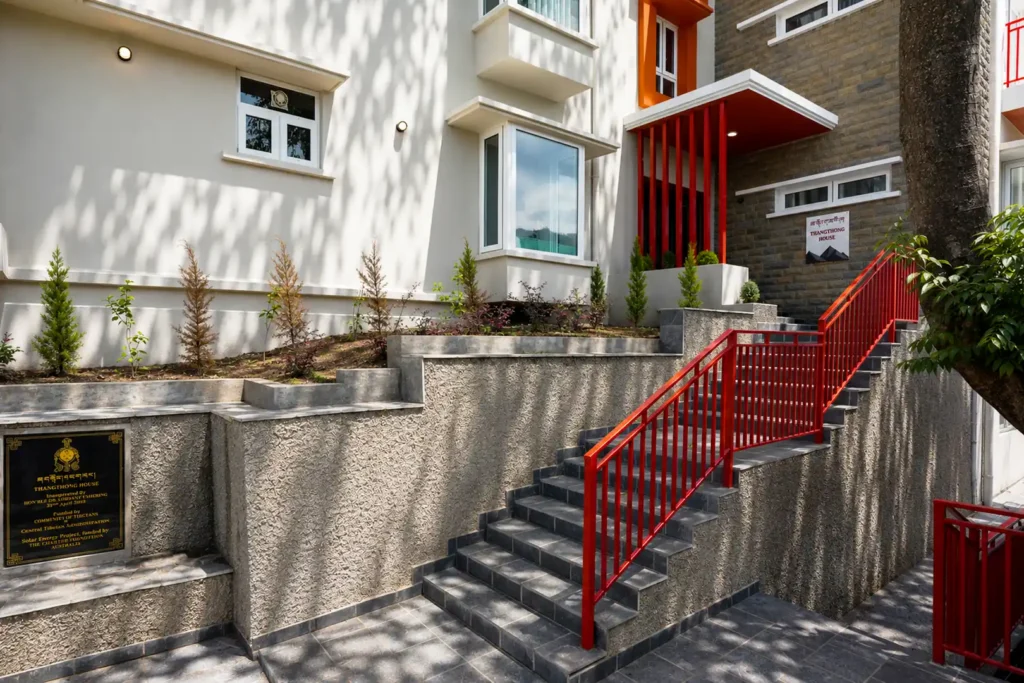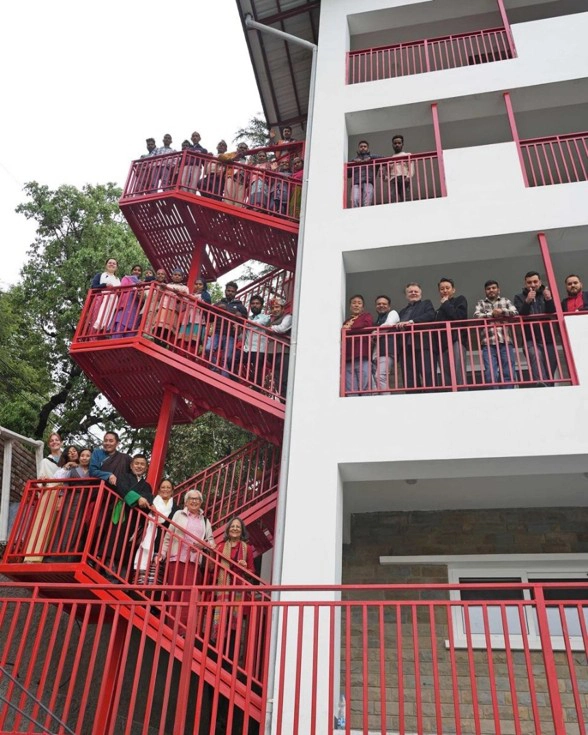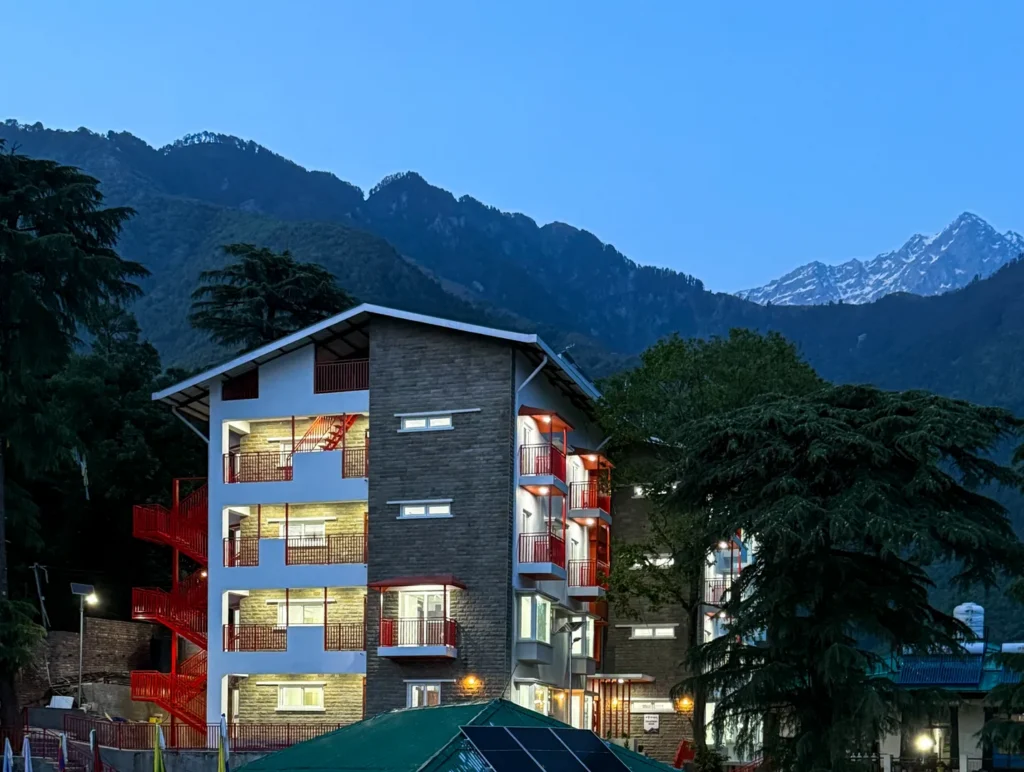
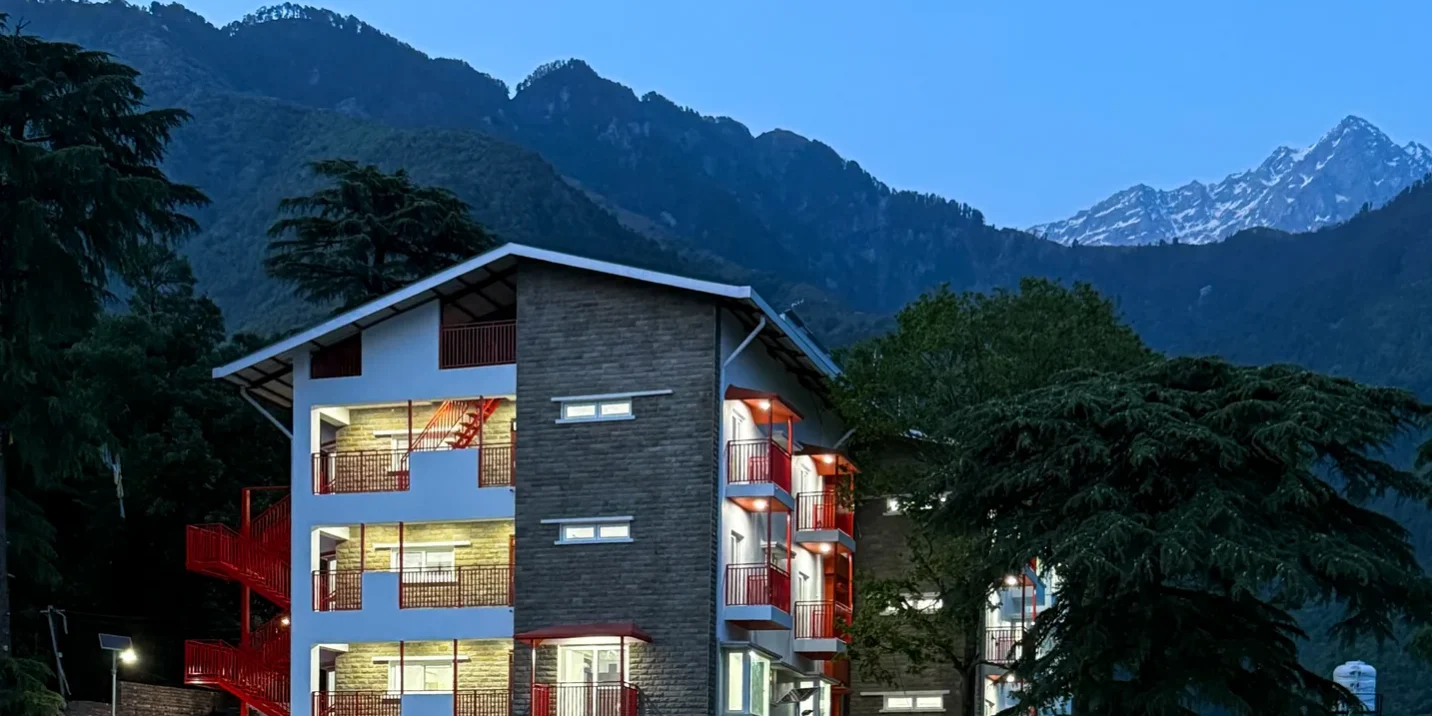
Thangthong House, designed by the architectural firm Sejpal & Raje Architects (www.sejpalandrajearchitects.com / @sr_architects), is a new residential facility for students, artists, and staff of the Tibetan Institute of Performing Arts (TIPA).
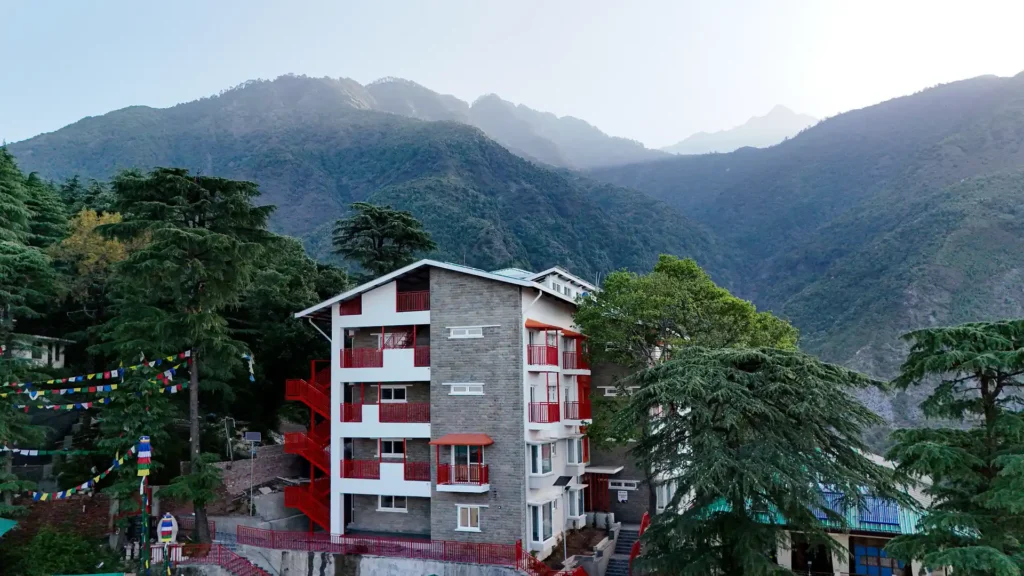
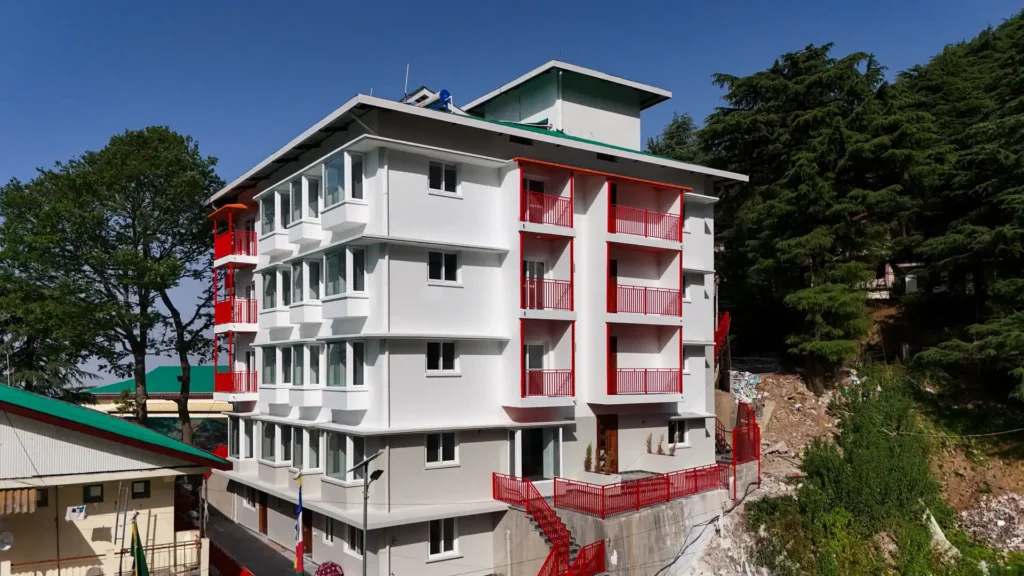
The project replaces the institute’s outdated student hostel and staff quarters with modern accommodation comprising 24 studio apartments and 10 staff apartments, spread across approximately 2,000 square metres. The building occupies the highest point of the institute’s steep Himalayan campus.
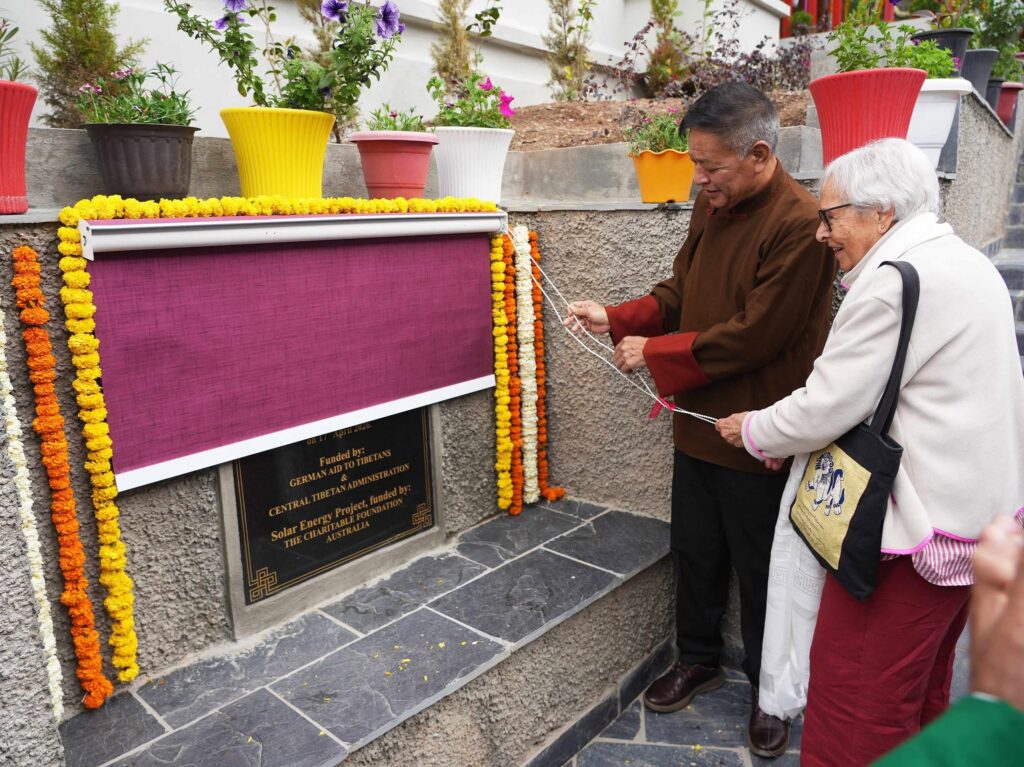
Construction commenced in March 2024 and was completed in March 2026. The building’s inauguration ceremony, held on 18 April 2026, was graced by the Honorable Sikyong, Mr Penpa Tsering, along with Ms Heide Meyer and representatives of German Aid to Tibetans (GAT), which co-financed the project.
Responding to its dramatic mountain setting, the design prioritizes natural light, ventilation, thermal comfort, and panoramic views of the surrounding valleys.
At the heart of the building is a covered internal courtyard that brings daylight into the interior while providing a shared communal space. Balconies, staircases, murals, painted Tibetan windows and chevron-patterned flooring enliven the courtyard, creating a vibrant environment that encourages interaction among residents.
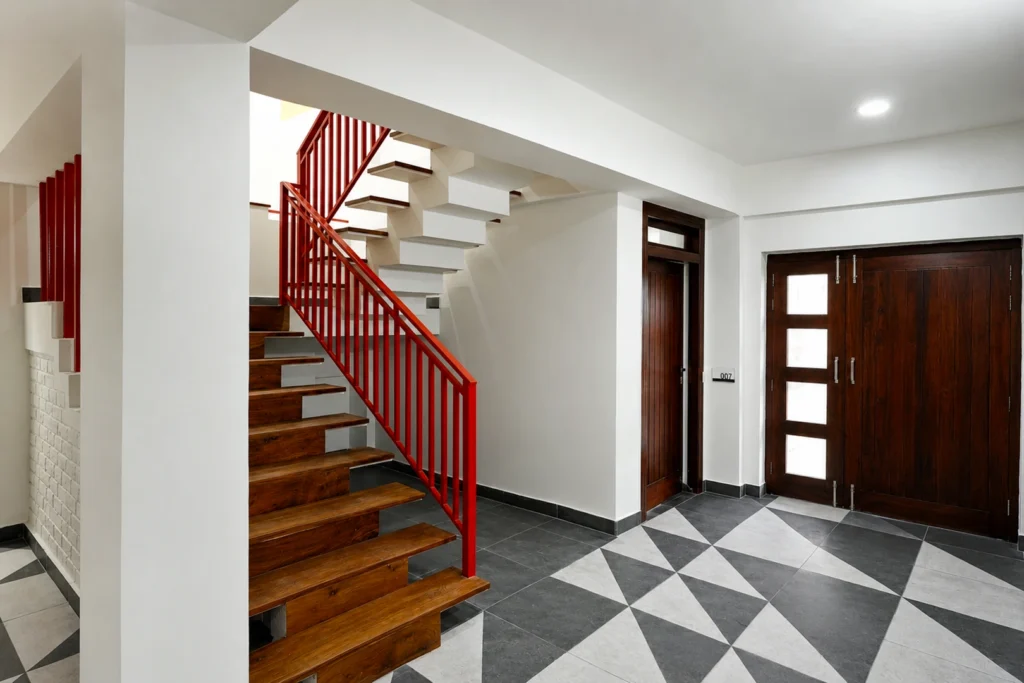
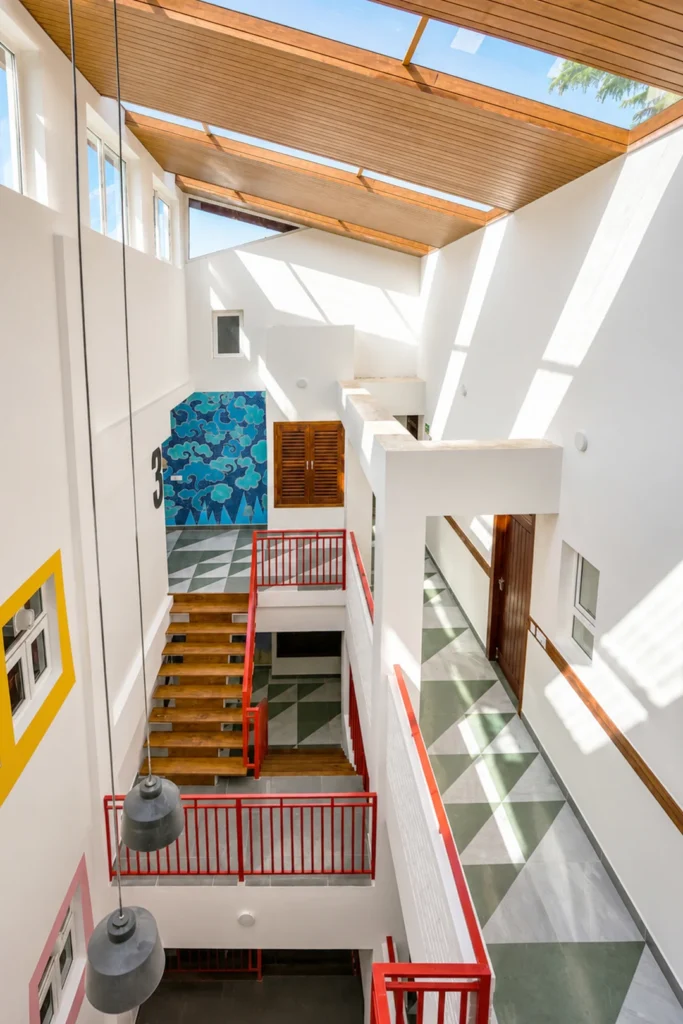
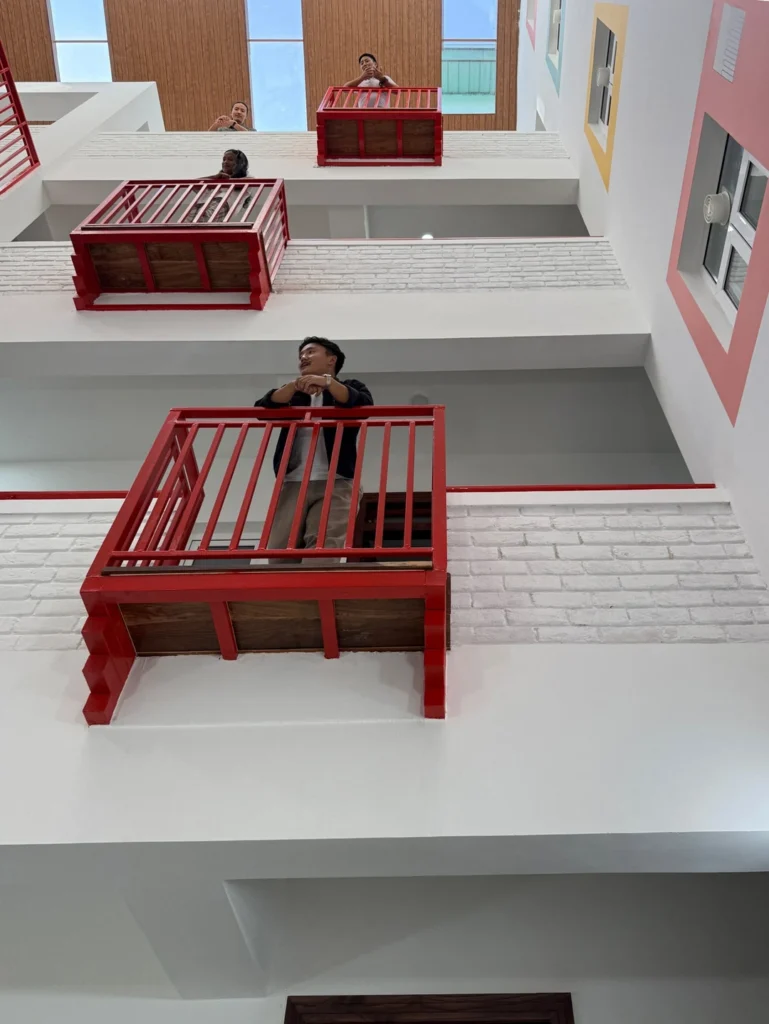
Bay windows extend the living spaces outward, framing the mountain views while capturing the warmth of the winter sun. Sustainability is integral to the design, which incorporates passive climate-control strategies, including recycled stone, insulated cavity walls and roofs, double-glazed windows, skylights, and south-facing thermal-mass walls. These features reduce the need for mechanical heating and cooling. Solar water heating and photovoltaic panels further enhance the building’s energy efficiency.
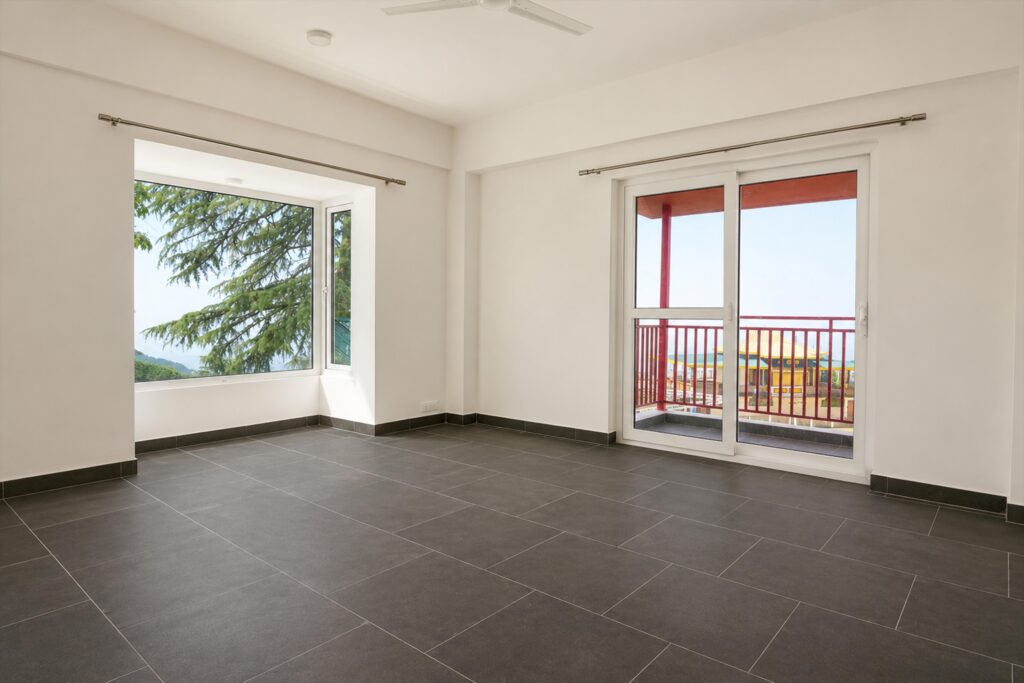
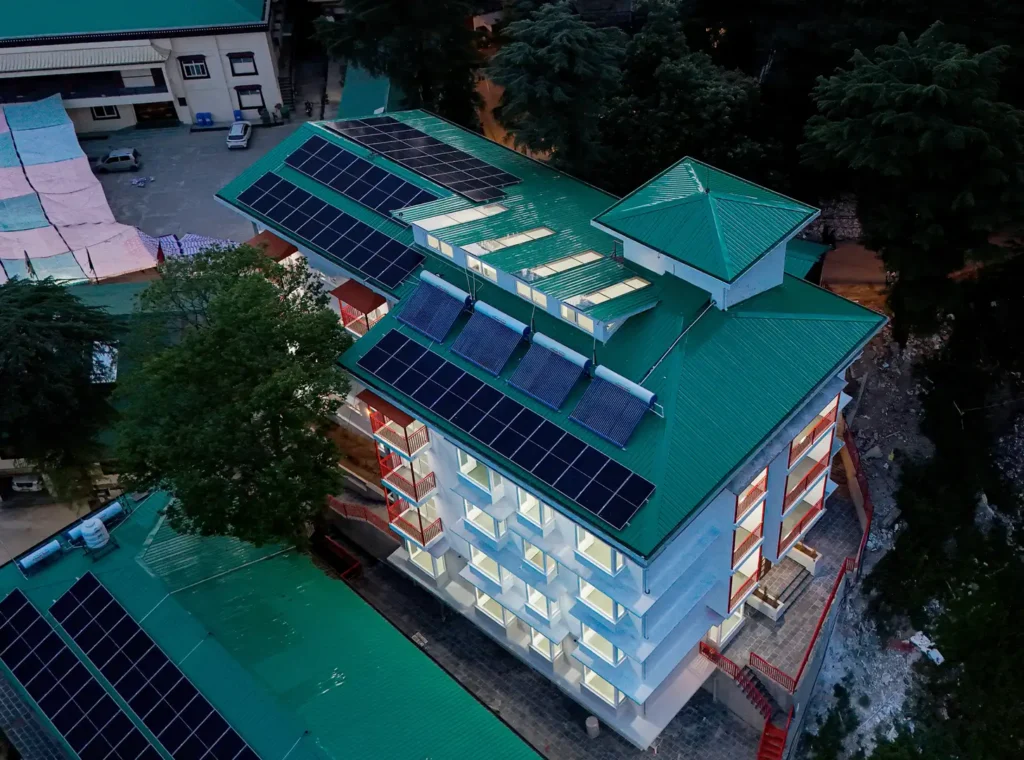
Traditional Tibetan architectural elements are reinterpreted through a restrained contemporary design language. The exterior façades feature carefully proportioned details in white, grey, and red, complemented by painted Tibetan windows and murals. Together, these elements create a distinctive architectural identity that harmonizes cultural heritage with modern functionality and sustainable living.