༄༅།།ཕྱི་ལོ་༢༠༢༦ཟླ་བ་༩ཚེས་༠༣ཉིན་བོད་མིའི་སྒྲིག་འཛུགས་ཕྱི་དྲིལ་ལས་ཁུངས་དང་།འཚེ་མེད་ཞི་བའི་ལམ་ལུགས་ཀྱི་ཐེབས་རྩ།བོད་ཀྱི་ཐེབས་རྩ་བཅས་མཉམ་འབྲེལ་ཐོག་རྒྱ་གར་གྱི་རྒྱལ་ས་ལྡི་ལིར་རྟེན་གཞི་བྱས་པའི་རྒྱ་གར་རྒྱལ་སྤྱིའི་ལྟེ་གནས་ཁང་དུ་བོད་ཀྱི་དུས་སྟོན་གོ་སྒྲིག་གནང་ཡོད།སྐབས་དེར་མཁས་དབང་དང་།སྲིད་བྱུས་འཆར་འགོད་པ།རྩོམ་པ་པོ།ཆོས་ལུགས་ཀྱི་དབུ་ཁྲིད།དེ་བཞིན་མི་མང་བཅས་འདུ་འཛོམས་གནང་ཡོད།
དེ་ཡང་གོང་ཚེས་ཉིན་གྱི་སྔ་དྲོ་གྷན་དི་དྲན་རྟེན་ཐང་ཆེན་ (Gandhi-King Memorial Plaza) དུ་དབུ་འབྱེད་མཛད་སྒོ་ཚོགས་ཡོད་ཅིང་།སྐབས་དེར་དགེ་འདུན་བཞི་གྲས་ཤིས་བརྗོད་གསུང་འདོན་གནང་བསྟུན་དཔལ་ལྡན་སྲིད་སྐྱོང་སྤེན་པ་ཚེ་རིང་མཆོག་གིས་དབུ་འབྱེད་གནང་ཡོད།དབུ་འབྱེད་སྐབས་རྟེན་འབྲེལ་ཚུལ་དུ་བོད་ཀྱི་ཟློས་གར་ཚོགས་པའི་སྒྱུ་རྩལ་བ་རྣམས་ནས་བོད་ཀྱི་ཨ་ལྕེ་ལྷ་མོའི་ལྷ་གཞུང་ནས་རྣམ་ཐར་གསོལ་འདེབས་ཐོག་ནས་ལྷ་གསོལ་བཏང་།དབུ་འབྱེད་མཛད་སྒོའི་ཐོག་དཔལ་ལྡན་སྲིད་སྐྱོང་མཆོག་གིས་ཚོགས་བཅར་བ་རྣམས་ལ་རྒྱ་ནག་གི་ཡར་རྒྱས་ཀྱི་གནས་སྟངས་ཐོག་དོ་སྣང་གནང་དགོས་པ་དང་།ལྷག་པར་ཉེ་ཆར་གཏན་འབེབས་བྱས་པའི་མི་རིགས་མཐུན་སྒྲིལ་ཡར་ཐོན་སྐུལ་འདེད་ཀྱི་ཁྲིམས་ཡིག་དང་།དེས་བོད་མི་དང་རྒྱ་ནག་ནང་གི་མི་རིགས་གཞན་རྣམས་ལ་ཤུགས་རྐྱེན་ཇི་ལྟར་ཐེབས་མིན་ཐད་དོགས་ཟོན་གནང་དགོས་པ་གསུངས།དེ་བཞིན་ཁོང་གིས་ཁྲིམས་ཡིག་འདི་ནི་རྒྱ་ནག་མི་མང་སྤྱི་མཐུན་རྒྱལ་ཁབ་ཀྱི་རྩ་ཁྲིམས་དང་ཁྲིམས་ལུགས་ཀྱི་སྒྲོམ་གཞི་ནང་འཁོད་པའི་ཁས་ལེན་དམ་བཅའ་དང་འགལ་གྱི་ཡོད་པ་ནན་བརྗོད་གནང་།
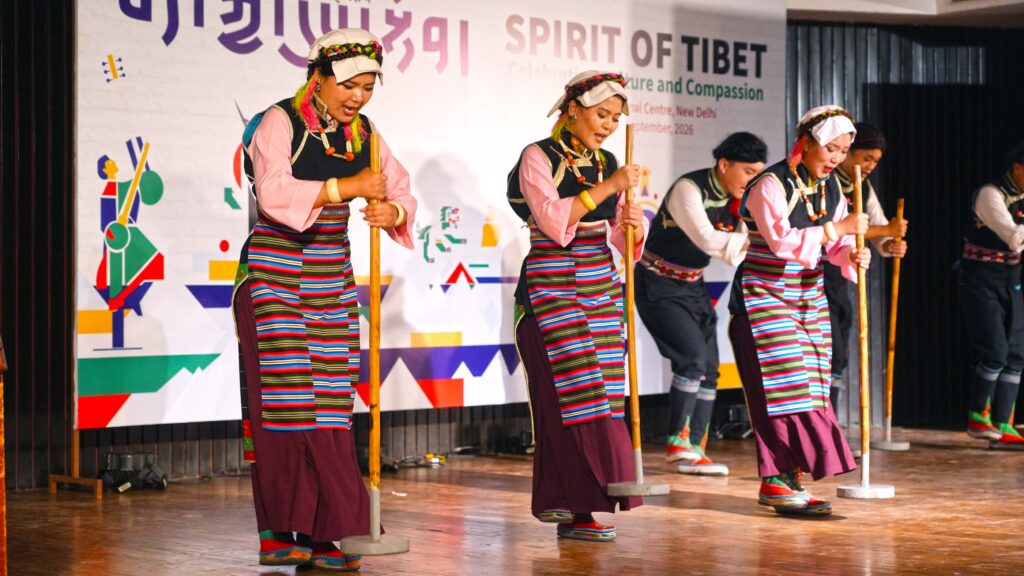
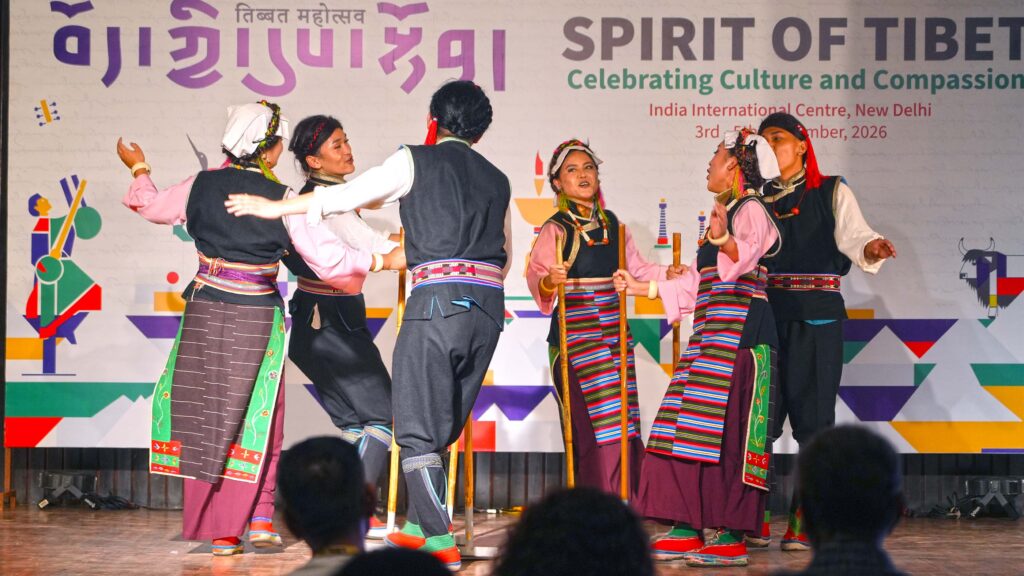
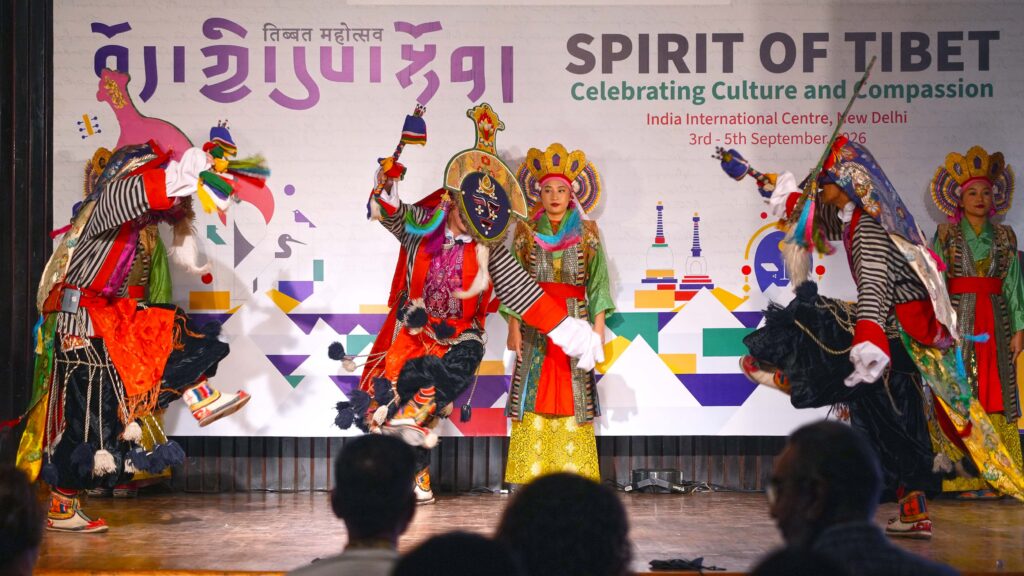
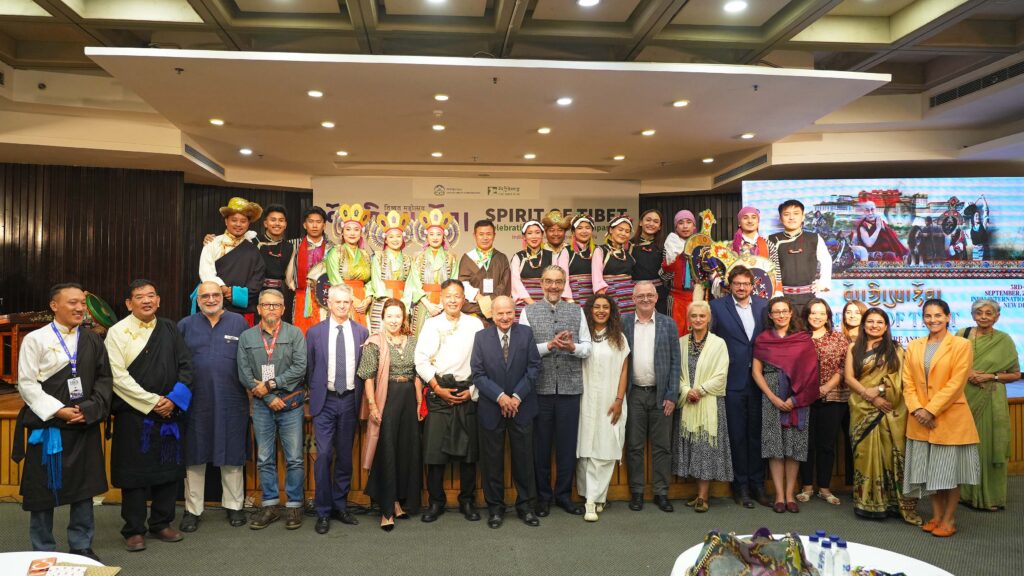
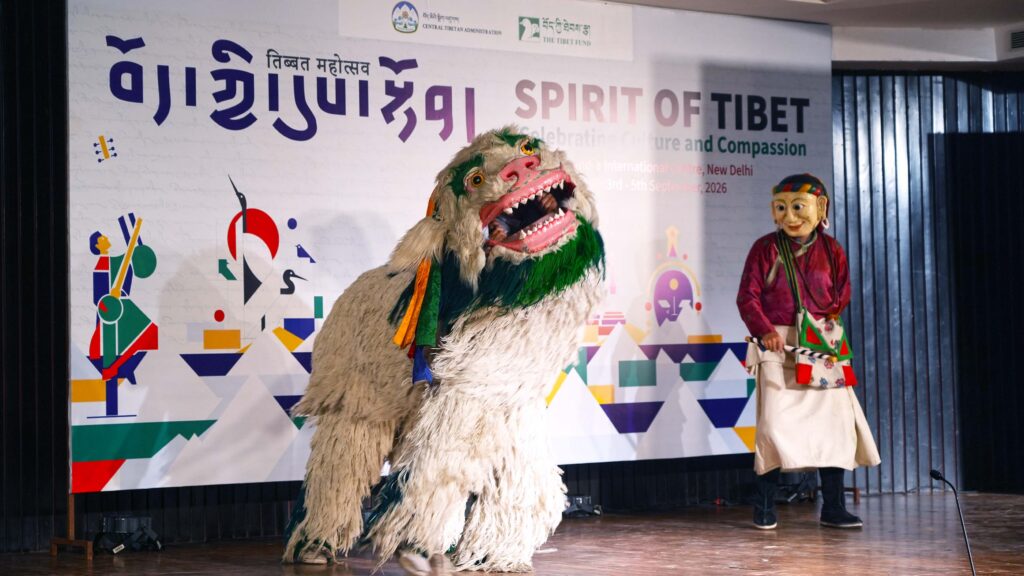
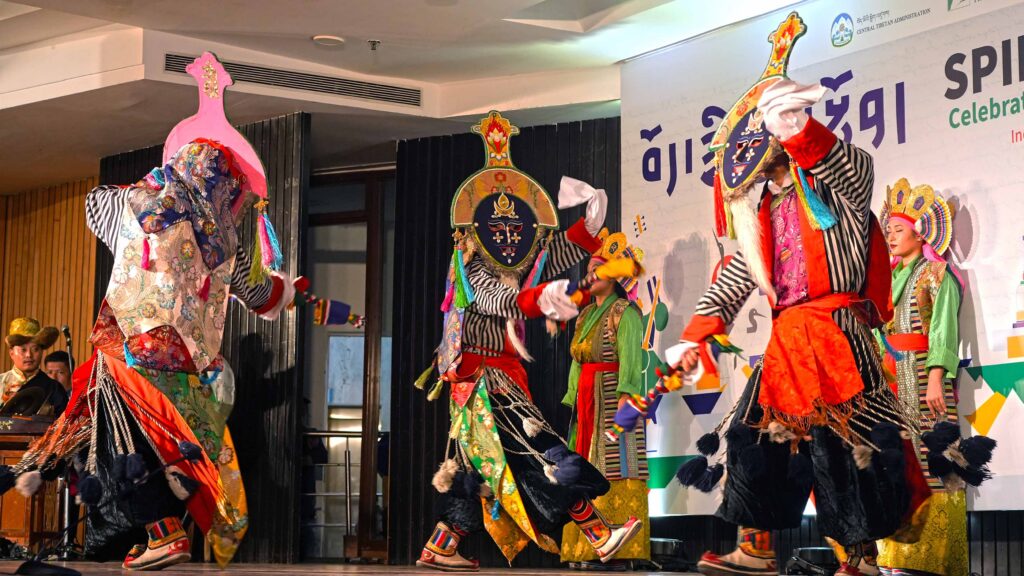
རྒྱ་ནག་གིས་གཏན་འབེབས་བྱས་པའི་མི་རིགས་མཐུན་སྒྲིལ་ཡར་ཐོན་སྐུལ་འདེད་ཀྱི་ཁྲིམས་ཡིག་དེས་ཡིད་ཆེས་དང་བར་སྡུམ་བྱ་རྒྱུ་མ་ཡིན་པར།རྒྱལ་ཡོངས་མཐུན་སྒྲིལ་གྱི་མིང་འདོགས་ཏེ་མི་རིགས་སིམ་སྒྱུར་གྱི་སྲིད་བྱུས་དེ་ཁྲིམས་མཐུན་བཟོ་རྒྱུར་དམིགས་ཡོད་པ་མ་ཟད།གྲོས་མོལ་ཚབ་ཏུ་བཙན་ཤེད་དང་།སྣ་མང་རང་བཞིན་ཚབ་ཏུ་སྒོ་བསྟུན་བྱ་ཐབས་ཡིན་པ་འགྲེལ་བརྗོད་གནང་།བོད་ཀྱི་དུས་སྟོན་ཏེ་ཕྱི་ལོ་༢༠༢༦ཟླ་༩ཚེས་༣ནས་༥བར་རྒྱ་གར་རྒྱལ་ས་ལྡི་ལིར་གཏན་གཞི་ཆགས་པའི་ India International Centre, New Delhi ནང་ SPRIT OF TIBET – Celebrating Cultural and Compassion ཐོག་གཏམ་བཤད་ལས་རིམ་གྱི་བརྗོད་གཞི་Civilizational Confluence, Present Realities, and Strategic Horizons ཐོག་ཐབས་བྱུས་གནད་དོན་དང་།གསར་འགྱུར་བརྒྱུད་ལམ།ཤེས་ཡོན་སྡེ་ཚན།རྒྱ་ནག་ཐོག་སློབ་གཉེར་གནང་མཁན་བཅས་རྒྱབ་ལྗོངས་མི་འདྲ་བའི་མི་སྣ་ཕེབས་ཡོད།ཉིན་དང་པོའི་ཕྱི་དྲོ་ཚོུད་༦ཐོག་གཞུང་ཚབ་ཁག་དང་དེའི་སྐུ་ཚབ།རྒྱ་གར་གྱི་གནད་ཡོད་མི་སྣ་དང་བོད་དོན་རྒྱབ་སྐྱོར་ཚོགས་པའི་སྐུ་ཚབ་མི་སྣ་ཁག་ཅིག་ལ་གོ་སྒྲིག་ཚོགས་ཆུང་ནས་དགའ་བསུའི་རིག་གཞུང་དགོང་ཚོགས་དེར་བོད་ཀྱི་ཟློས་གར་ཚོགས་པའི་སྒྱུ་རྩལ་བ་རྣམས་ནས་རིག་གཞུང་གཞས་སྣ་གཟིགས་འབུལ་སྐབས་སྐུ་མགྲོན་ཡོངས་ནས་ཐུགས་དགྱེས་ཚོར་ཆེན་པོས་ལེགས་གསོལ་བསྔགས་བརྗོད་གནང་ཡོད།དེ་བཞིན་ཉིན་གཉིས་པར་ཕྱི་དྲོ་ཚོུད་༦ཐོག་སྐབས་དེར་གཏམ་བཤད་གནང་མཁན་གྱི་མཁས་དབང་དང་གཏམ་བཤད་གསན་གཟིགས་མཁན་ཤེས་ཡོང་ཅན་དང་། མཐོ་སློབ་ཀྱི་སློག་ཕྲུག་རྒྱ་ཆེའི་མང་ཚོགས་ཡོངས་ལ་བོད་ཀྱི་ཟློས་གར་ཚོགས་པའི་སྒྱུ་རྩལ་བ་རྣམས་ནས་བོད་ཀྱི་ཐུན་མོང་མ་ཡིན་པའི་རིག་གཞུང་གཞས་སྣ་གཟིགས་འབུལ་སྐབས་ཚོགས་ཁང་གི་ཞབས་བཀྱག་ཆ་ཚང་ཁེངས་ནས་གཡས་ཡོན་དུ་སྐུ་བཞེངས་ཐོག་ཐུགས་སྣང་དང་སྤྲོ་སྣང་ཐོག་གཟིགས་མོ་གཟིགས་ནས་བོད་ཀྱི་ཟློས་གར་ཚོགས་པའི་སྒྱུ་རྩལ་བ་རྣམས་ནས་སོ་སོའི་ཕ་མེས་ནས་བརྒྱུད་པའི་རིག་གཞུང་བཟང་པོ་དེ་དག་སྒྱུ་རྩལ་འཁྲབ་སྟོན་གྱི་ལམ་ནས་མང་ཚོགས་སུ་གཟིགས་འབུལ་ཞུས་ཐུབ་པ་དེས་གཟིགས་མོ་བ་ཚང་མའི་ཡིད་དབང་འཕྲོག་ནས་ཚང་མས་རྗེས་སུ་ཡིད་རངས་བསྔགས་བརྗོད་གནང་ནས་གང་ལྟར་བོད་ཀྱི་དུས་སྟོན་མིང་དོན་མཚུངས་པ་ཞིག་ཡོང་ཐབས་སུ་བོད་ཀྱི་ཟློས་གར་ཚོགས་པའི་སྒྱུ་རྩལ་བ་རྣམས་ནས་ཆ་ཤས་གང་ལེགས་གནང་འབྲས་ཀྱིས་བོད་ཀྱི་རིག་གཞུང་མི་ཉམས་རྒྱུན་འཛིན་དང་གོ་རྟོགས་དྲིལ་བསྒྲགས་རྒྱ་གང་ཆེ་ཐུབ་པ་བྱུང་ཡོད།
TIPA Performs at Spirit of Tibet Festival in New Delhi
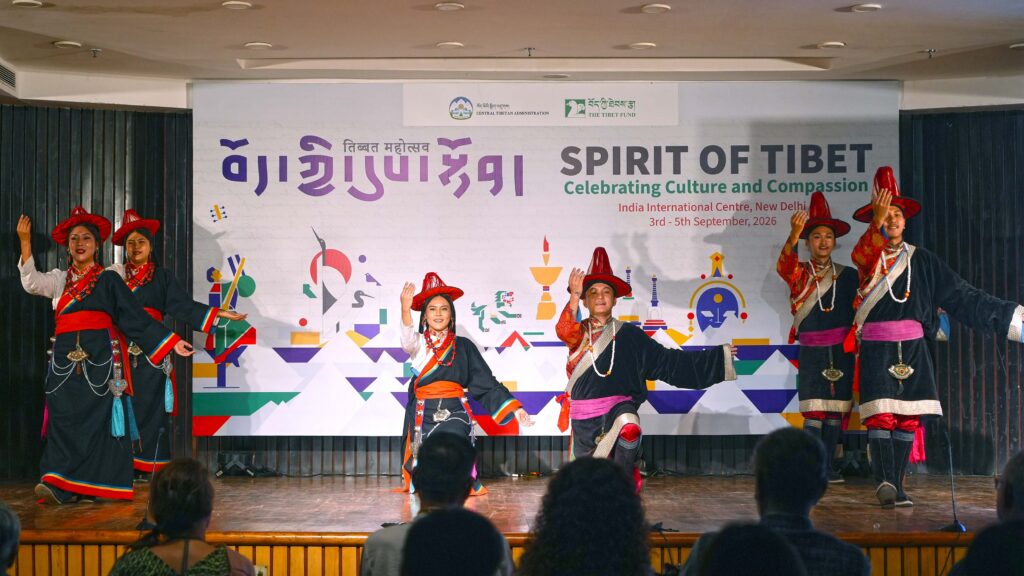
Tibetan Institute of Performing Arts (TIPA) participated in the three-day “Spirit of Tibet – Celebrating Culture and Compassion” festival held at the India International Centre in New Delhi from September 3 to 5.
The festival was jointly organized by the Department of Information and International Relations (DIIR) of the Central Tibetan Administration, the Non-Violence Peace Foundation, and the Tibet Fund. It brought together scholars, policymakers, writers, religious leaders, members of the diplomatic community, academics, and members of the public to discuss Tibet, its cultural heritage, and contemporary issues concerning the Tibetan people.
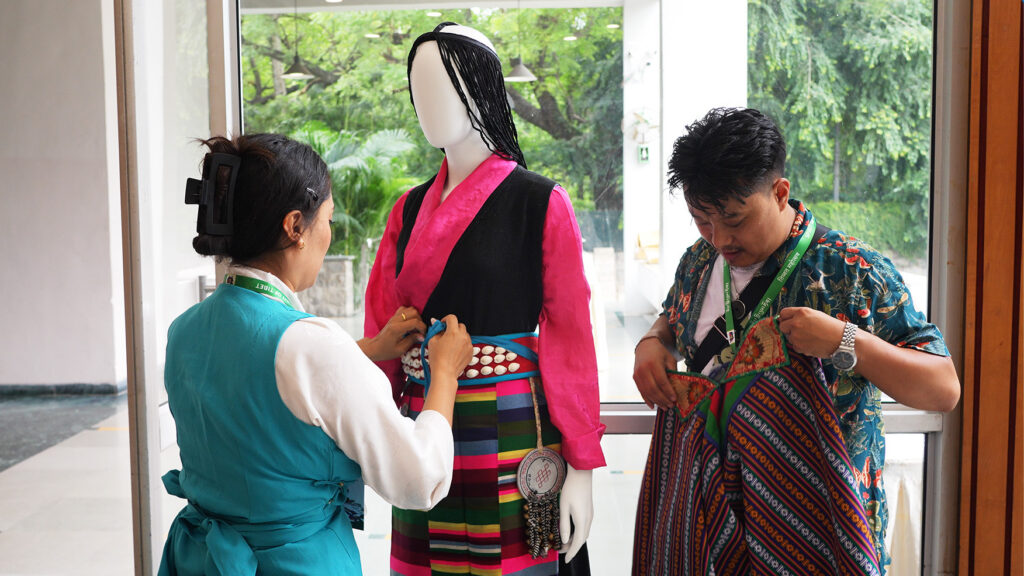
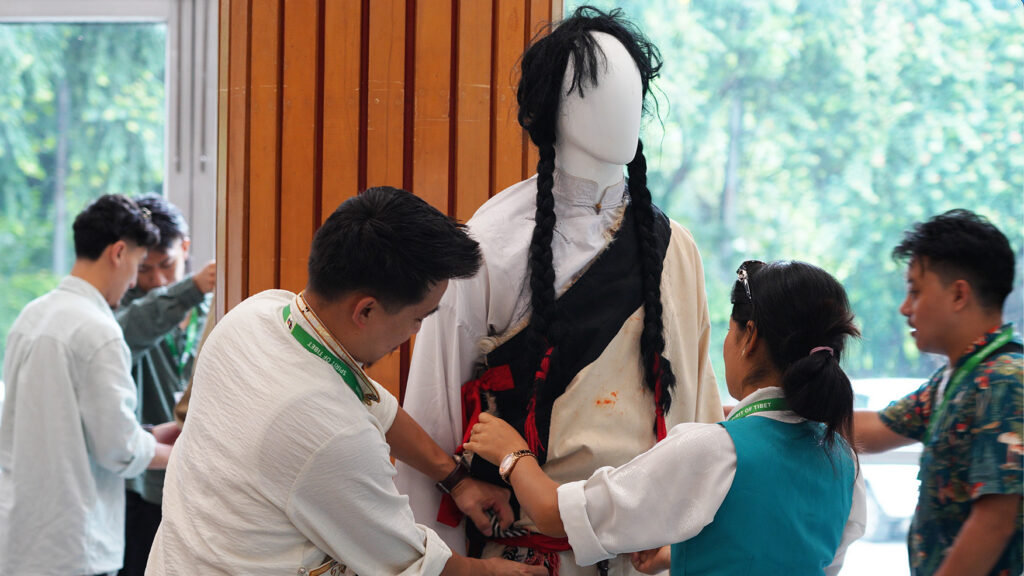
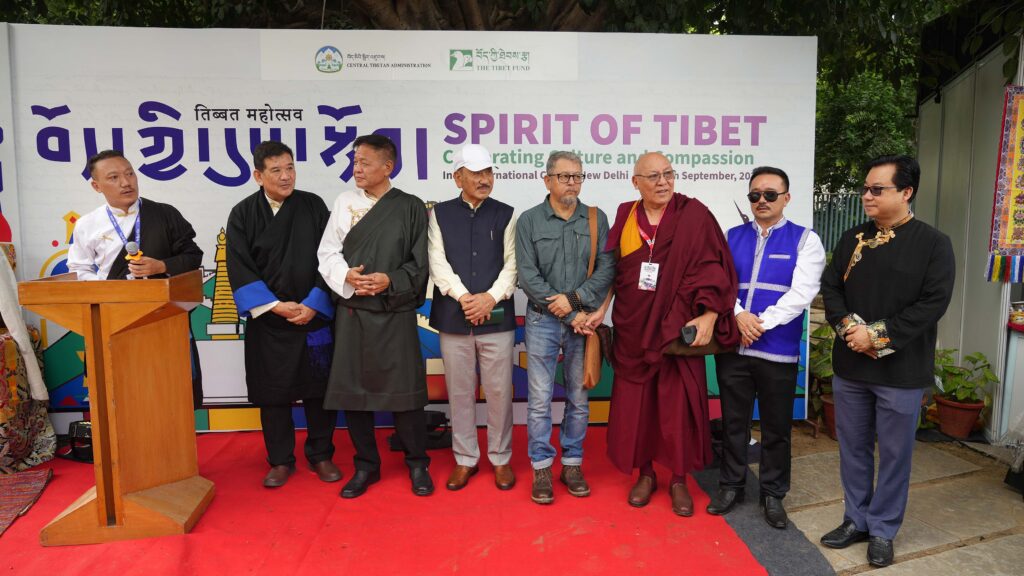
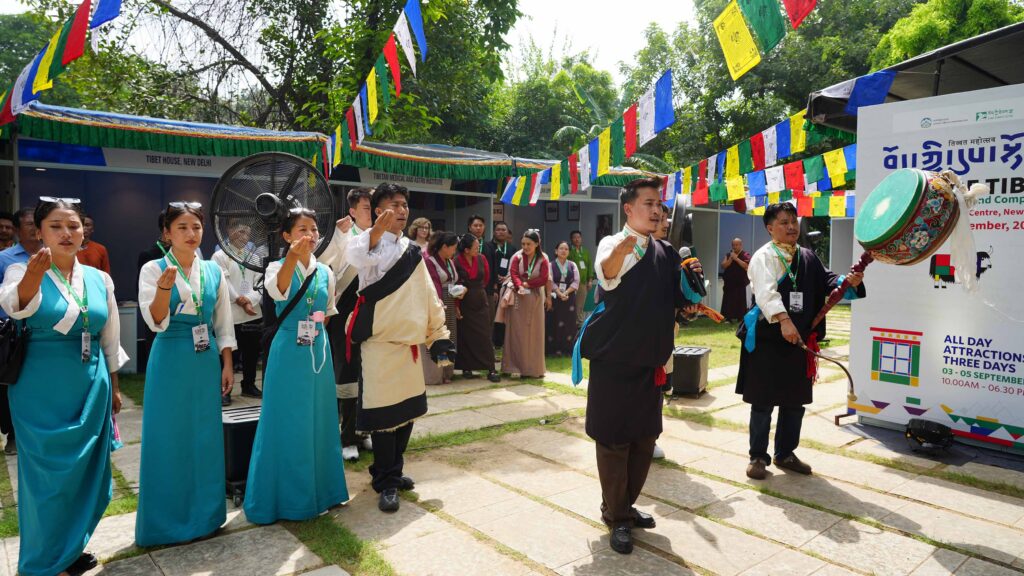
The festival opened on September 3 at the Gandhi-King Memorial Plaza with an inaugural ceremony. Following an auspicious invocation by members of the Tibetan monastic community, Central Tibetan Administration Sikyong Penpa Tsering formally inaugurated the event.
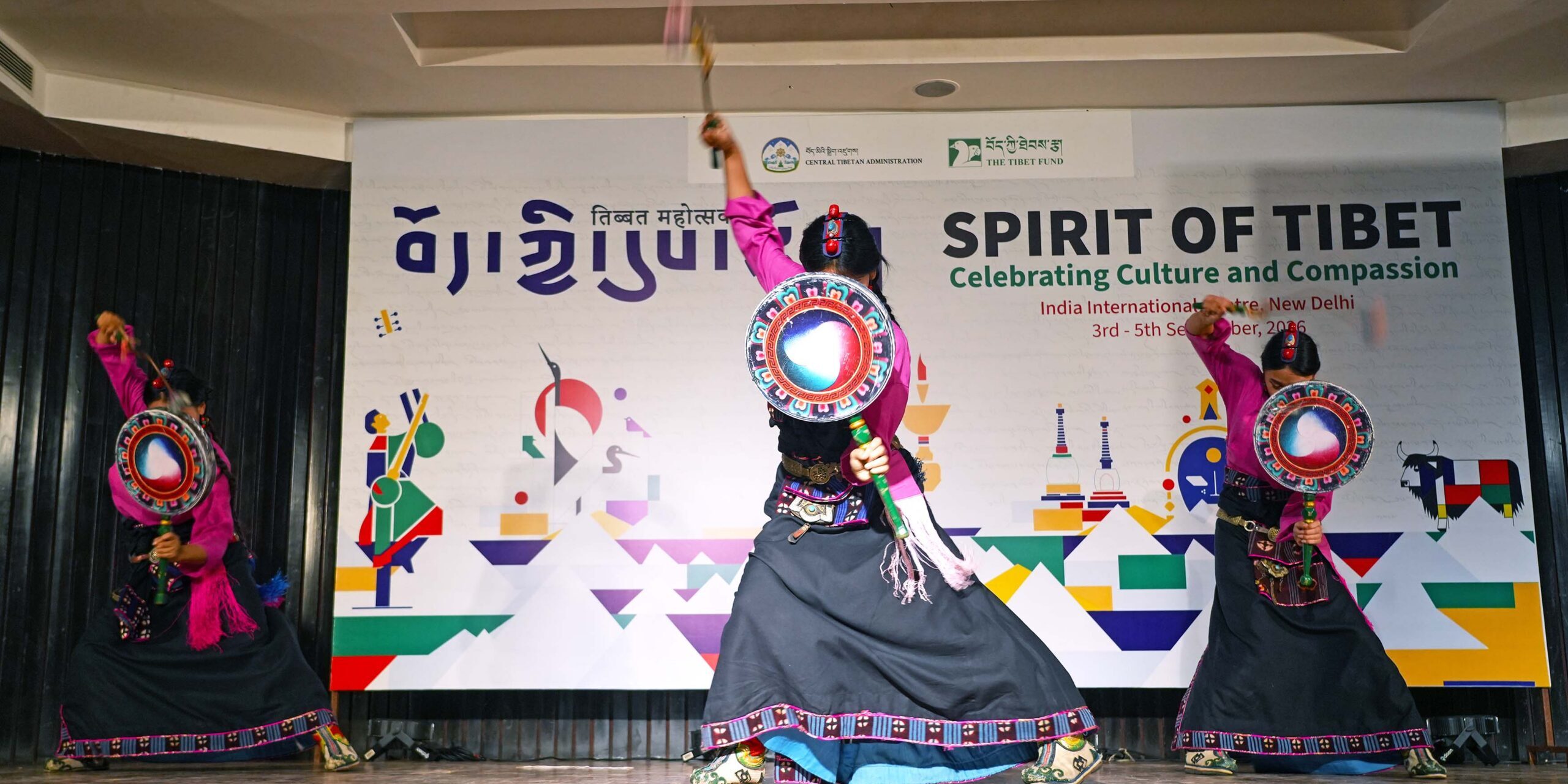
As part of the opening ceremony, artists from TIPA performed an invocation from the traditional Tibetan opera, Ache Lhamo, offering a Namthar prayer as part of the auspicious proceedings.
In his inaugural address, Sikyong Penpa Tsering called on participants to pay close attention to recent developments in China, particularly legislation concerning the promotion of ethnic unity law and its potential implications for Tibetans and other ethnic communities in China.
He argued that the legislation runs counter to commitments contained within China’s constitutional and legal framework. He further expressed concern that policies introduced in the name of national unity could contribute to ethnic assimilation, describing the approach as one that prioritizes coercion over dialogue and conformity over diversity.
The festival also featured a series of discussions under the theme “Civilizational Confluence, Present Realities, and Strategic Horizons.” Speakers and participants included experts, policymakers, media professionals, academics, researchers specializing in China, representatives of diplomatic missions, and members of the wider public.
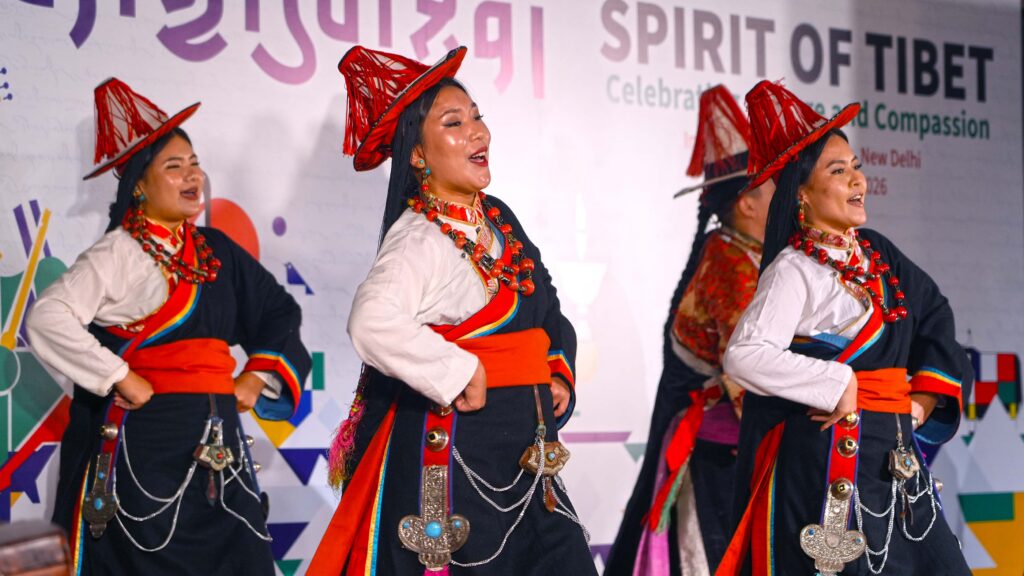
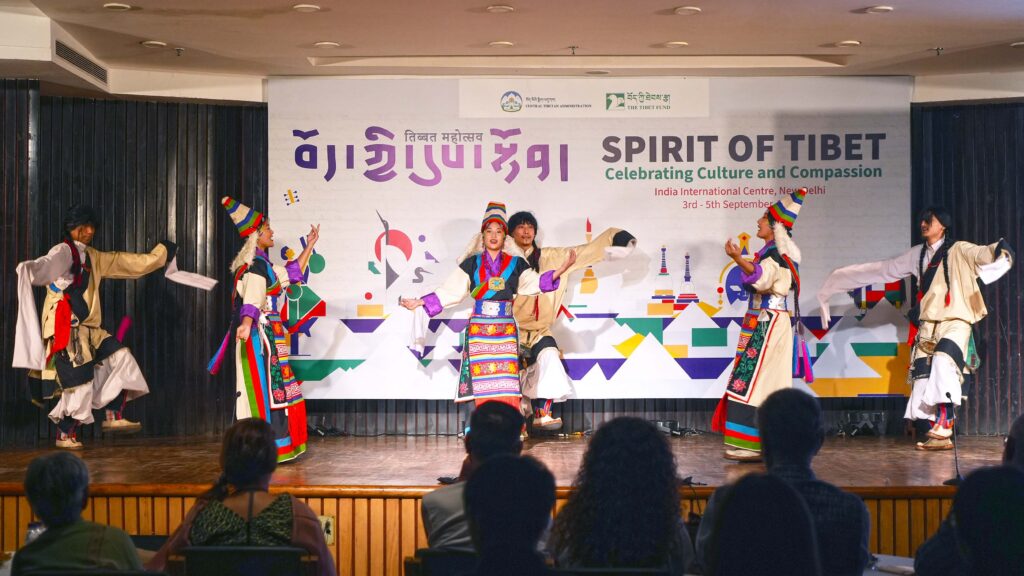
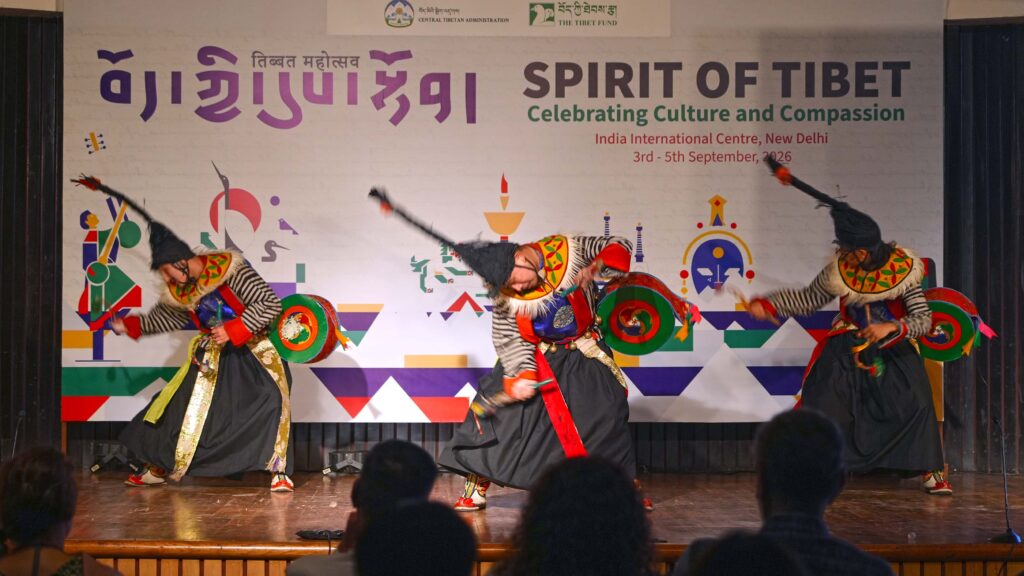
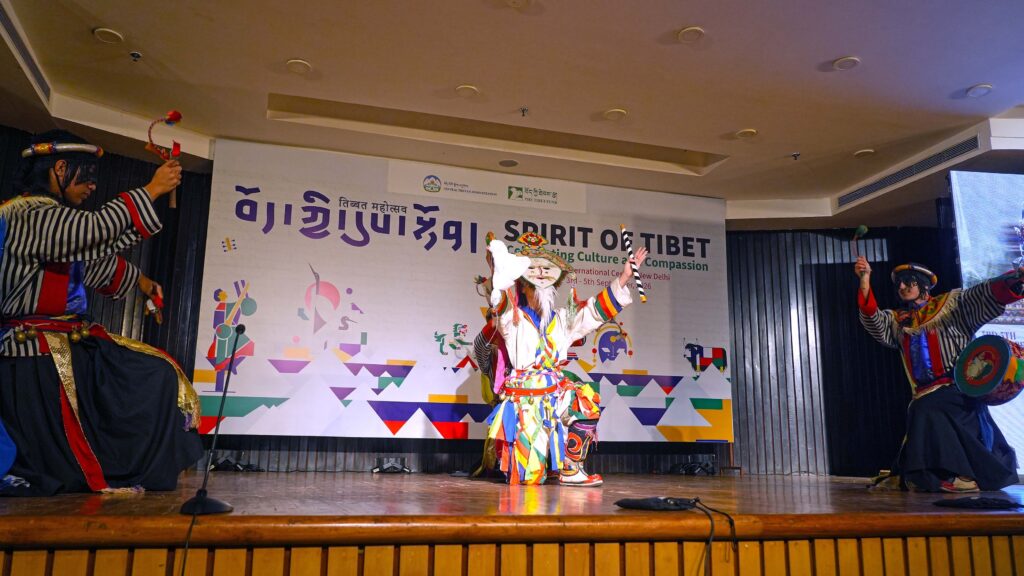
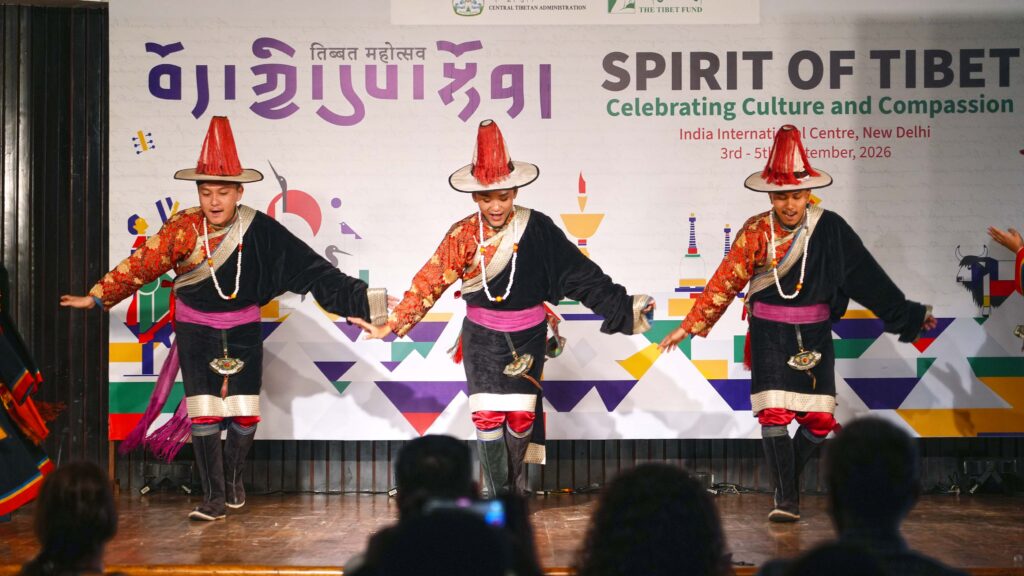
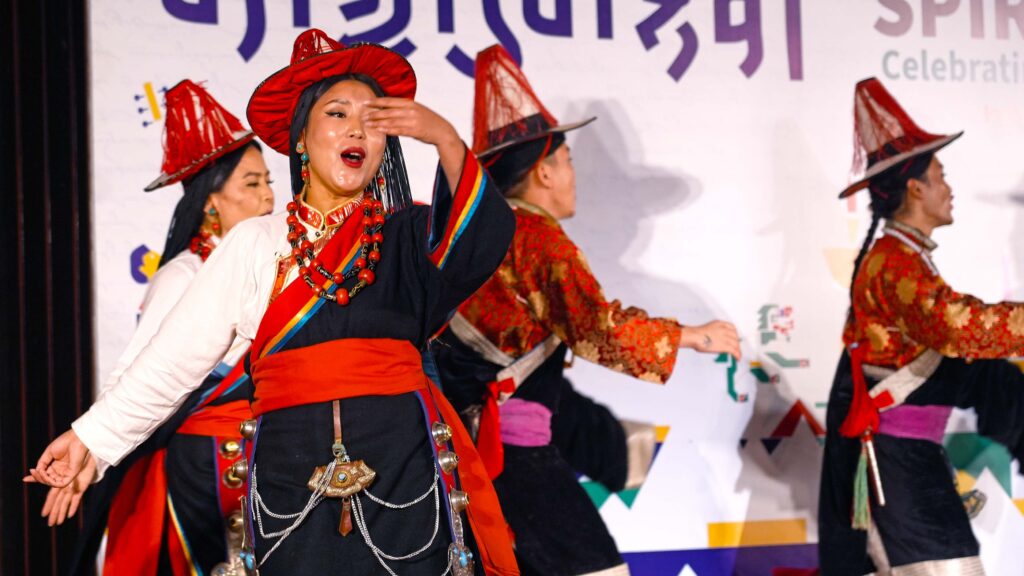
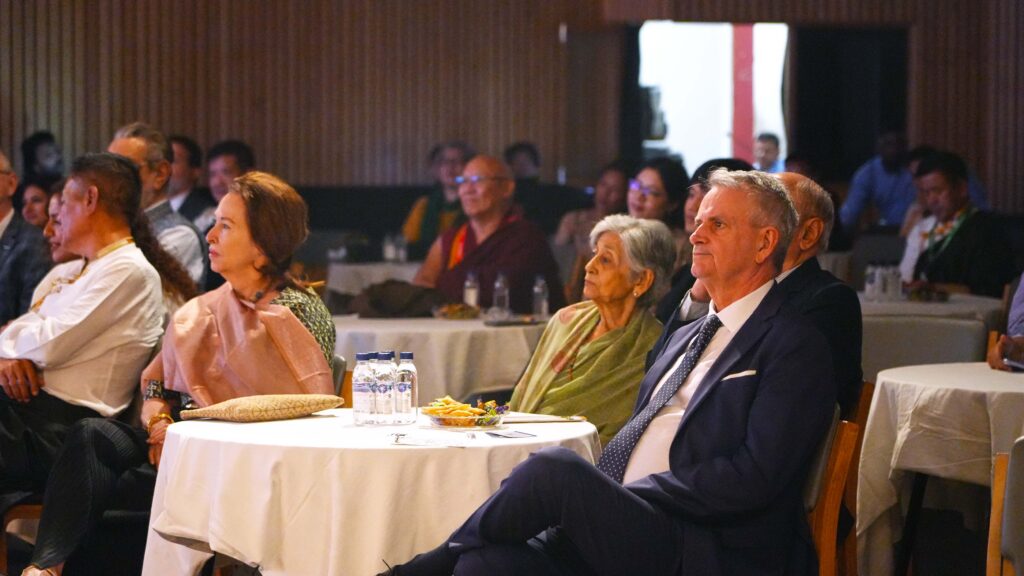
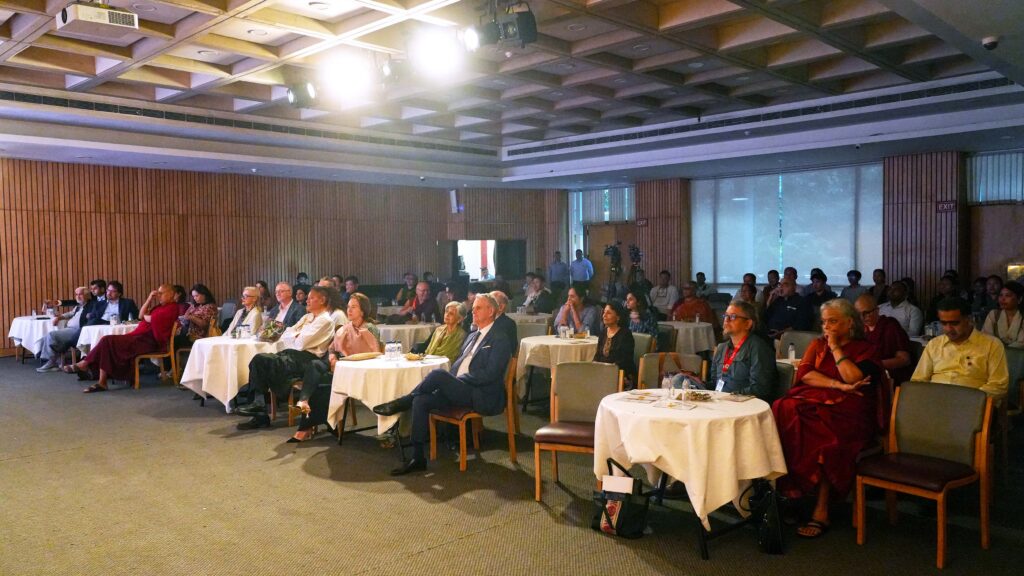
On the evening of the first day, TIPA artists presented a selection of traditional Tibetan songs and cultural performances at a reception attended by representatives of diplomatic missions, prominent Indian figures, and representatives of organizations supporting the Tibetan cause.
The performances received a positive response from the audience, with guests expressing appreciation for the presentation of Tibetan musical and performing traditions.
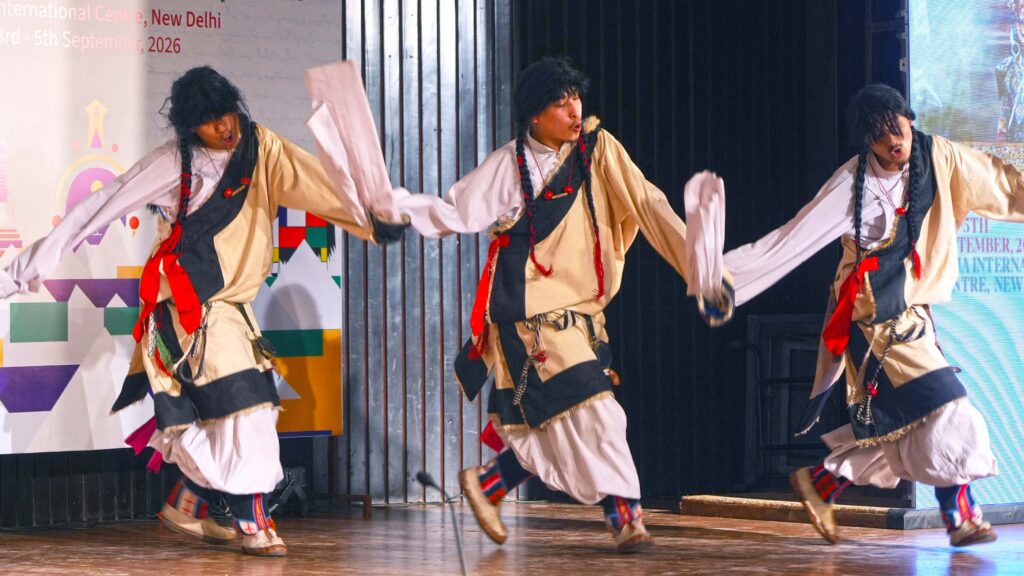
TIPA artists returned to the stage on the second evening to perform another selection of Tibetan cultural pieces for scholars, speakers, university students, and members of the general public. The auditorium was filled to capacity, with many spectators standing to watch the performances.
The artists presented a range of traditional cultural expressions inherited from previous generations through song and performance, offering the audience an opportunity to experience aspects of Tibet’s distinctive cultural heritage.
TIPA’s participation in the festival provided a platform to showcase Tibetan performing arts to an Indian and international audience while highlighting the role of traditional arts in preserving Tibetan cultural heritage and identity.
The performances formed an important cultural component of the “Spirit of Tibet” festival, complementing its discussions on Tibet’s history, culture, contemporary realities, and future prospects