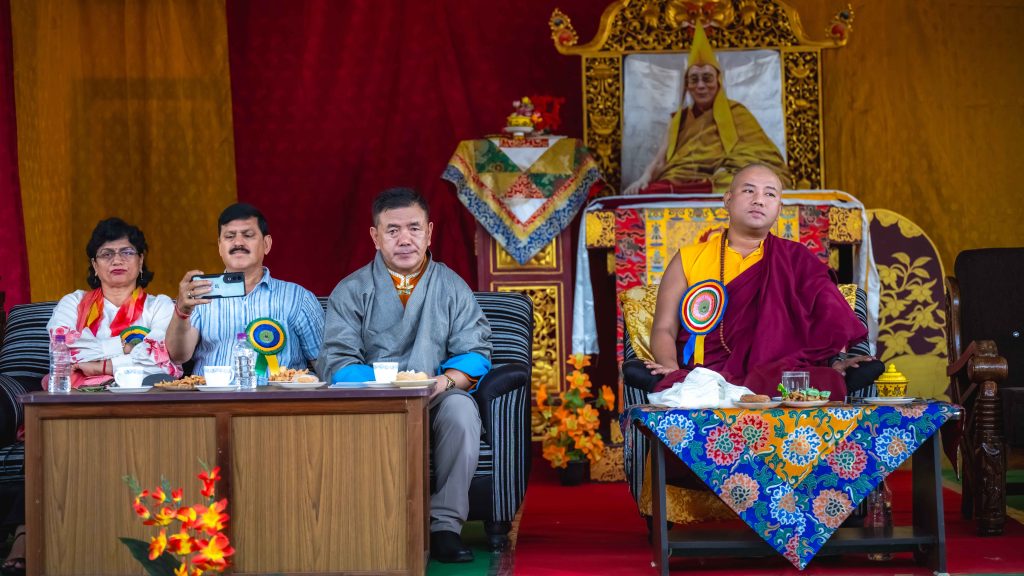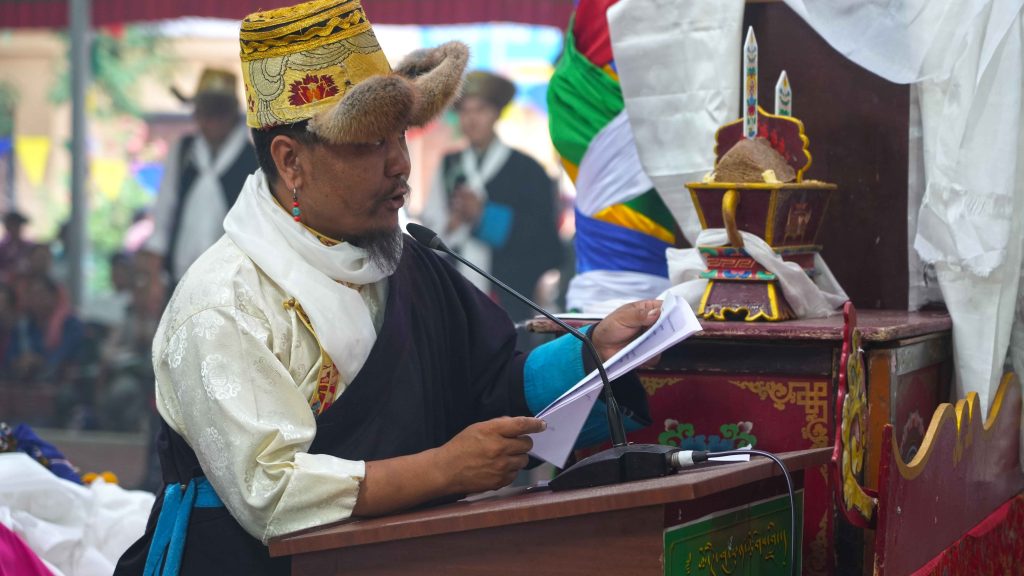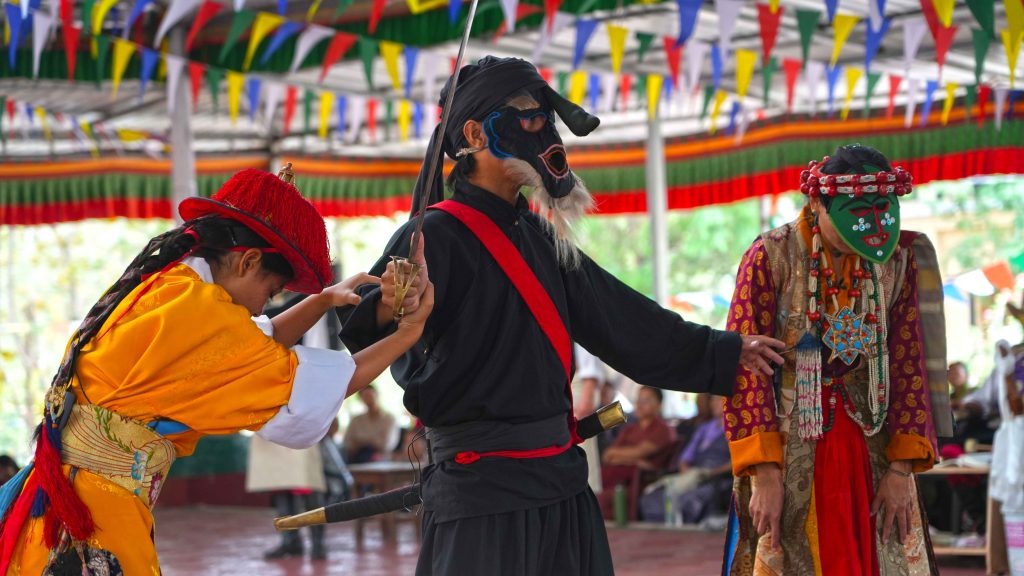
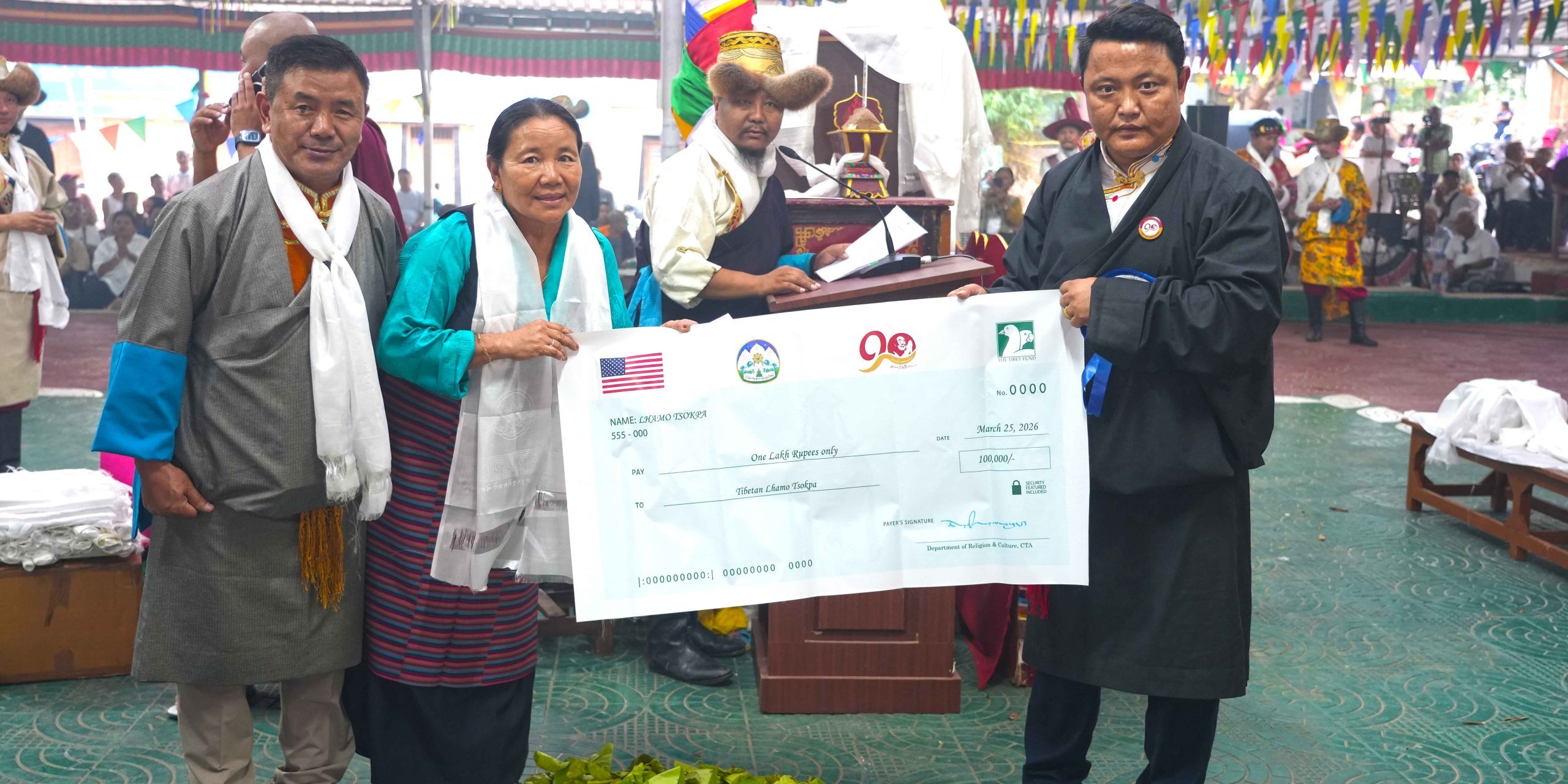
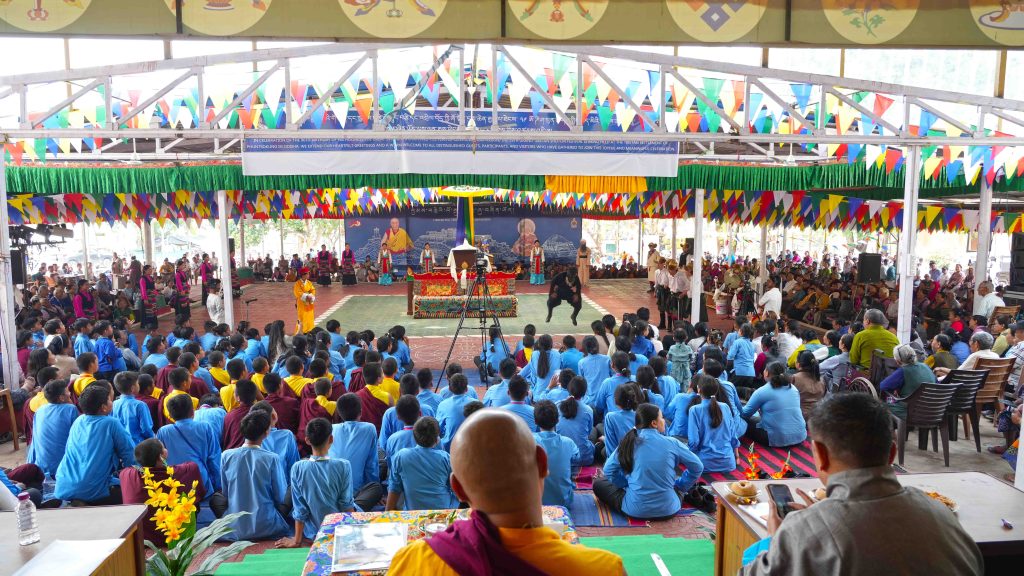
ཕྱི་ལོ་ ༢༠༢༦ ཟླ་ ༣ ཚེས་ ༢༥ ཉིན་གྱི་སྔ་དྲོ་ཚོུད་ ༩།༠༠ ཐོག་བོད་ཀྱི་ཞོ་སྟོན་རྒྱས་པ་ཐེངས་ ༢༩ པའི་མཇུག་སྡོམ་མཛད་སྒོ་ཨོ་གཞིས་ཕུན་ཚོགས་གླིང་བོད་མིའི་གཞིས་ཆགས་སུ་འཚོགས་གནང་བ་དང་། མཛད་སྒོའི་ཐོག་སྐུ་མགྲོན་གཙོ་བོ་སྔ་འགྱུར་རྙིང་མའི་བྱེས་ཀྱི་གདན་ས་བདུད་འདུལ་རབ་བརྟན་གླིང་གི་དབུ་འཛིན་བླ་མ་བསོད་ནམས་བཀྲ་ཤིས་མཆོག་དང་། དམིགས་བསལ་སྐུ་མགྲོན་རང་གཞུང་བོད་མིའི་སྒྲིག་འཛུགས་ཀྱི་སྐུ་ཚབ་ཨོ་གཞིས་ས་གནས་འགོ་འཛིན་སྐོུ་ཀརྨ་བློ་གྲོས་བཟང་པོ་ལགས། དགོན་སྡེ་གྲྭ་ཚང་ཁག་གི་སྐྱབས་གནས་བླ་སྤྲུལ་དང་དགེ་འདུན་རྣམས་པ། ཆེས་མཐོའི་སྐུ་མགྲོན་ཧི་མ་ཅལ་བཅའ་བཞུགས་ (Dr. Khushal Sharma – Rank DIG – IPS) མཆོག་དང་ཁོང་གི་སྐུ་འཁོར་ལྷན་རྒྱས། ས་གནས་གྲོས་ཚོགས་དང་རང་བདེན་ཚོགས་ཆུང་གི་ཚོགས་གཙོ། མཉམ་འབྲེལ་ཚོགས་གཙོ་དང་དྲུང་ཆེ། གཞུང་འབྲེལ་དང་གཞུང་འབྲེལ་མ་ཡིན་པའི་ཚོགས་སྡེ་ཁག་གི་འགན་འཛིན་དང་སློབ་གྲྭ་ཁག་གི་སློབ་སྤྱི་བཅས་རྒྱ་ཆེའི་མང་ཚོགས་ལྔ་བརྒྱ་ལྷག་འདུ་འཛོམས་ཀྱིས་བོད་ཀྱི་ཞོ་སྟོན་དུས་ཆེན་གྱི་མཇུག་སྡོམ་མཛད་སྒོ་སྲུང་བརྩི་གནང་སོང་། མཛད་སྒོའི་ཐོག་མར་བོད་ཀྱི་ཟློས་གར་ཚོགས་པའི་སྤྱི་ཁྱབ་འགན་འཛིན་དོན་གྲུབ་ཚེ་རིང་ལགས་ནས་ཞོ་སྟོན་མཇུག་སྡོམ་མཛད་སྒོའི་གསུང་བཤད་ནང་། ད་ལན་ཨོ་གཞིས་ཕུན་ཚོགས་གླིང་བོད་མིའི་གཞིས་ཆགས་སུ་༸རྒྱལ་བའི་གོ་སྟོན་དང་བྱམས་བརྩེ་ལོ་བསྟུན་དུས་སྟོན་སྲུང་བརྩི་ཞུ་རྒྱུར་འབད་བརྩོན་ཞུས་པ་ལྟར་བཀྲིས་ལོ་ལེགས་ངང་མཇུག་བསྒྲིལ་ཐུབ་པར་དགའ་ཚོར་ཆེན་པོ་བྱུང་ཞེས་བཀའ་གནང་རྗེས་བོད་ཀྱི་ཟློས་གར་ཚོགས་པས་ལྷ་གཞུང་ཁྱེའུ་པདྨ་འོད་འབར་གྱི་རྣམ་ཐར་འཁྲབ་སྟོན་གཟབ་རྒྱས་ཞུས་གནང་སོང་།
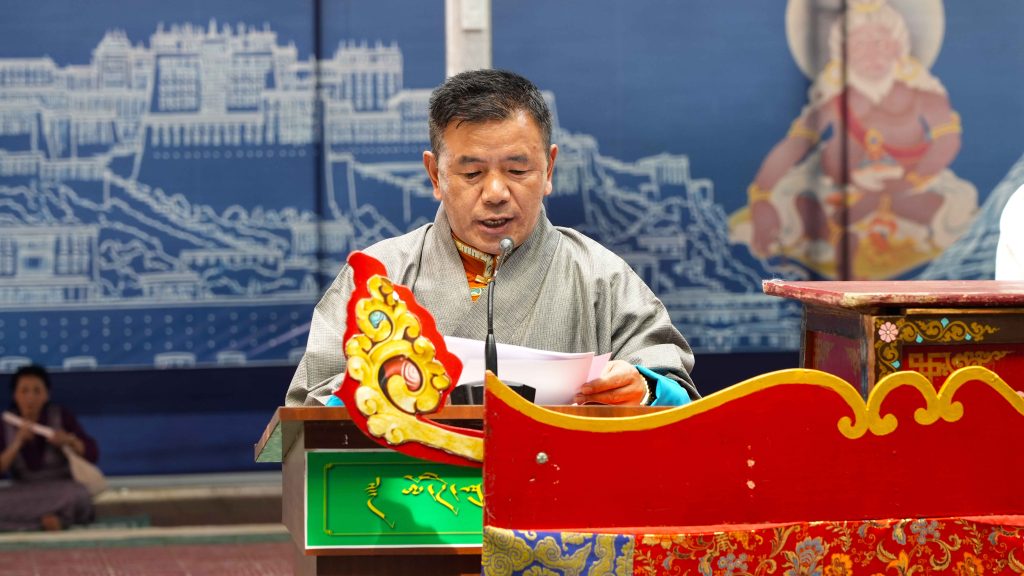
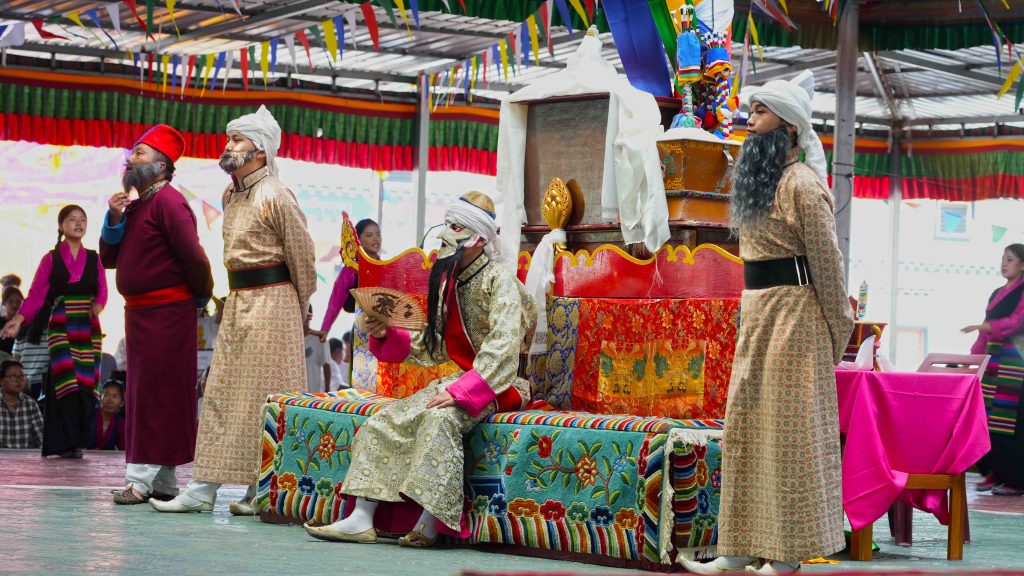
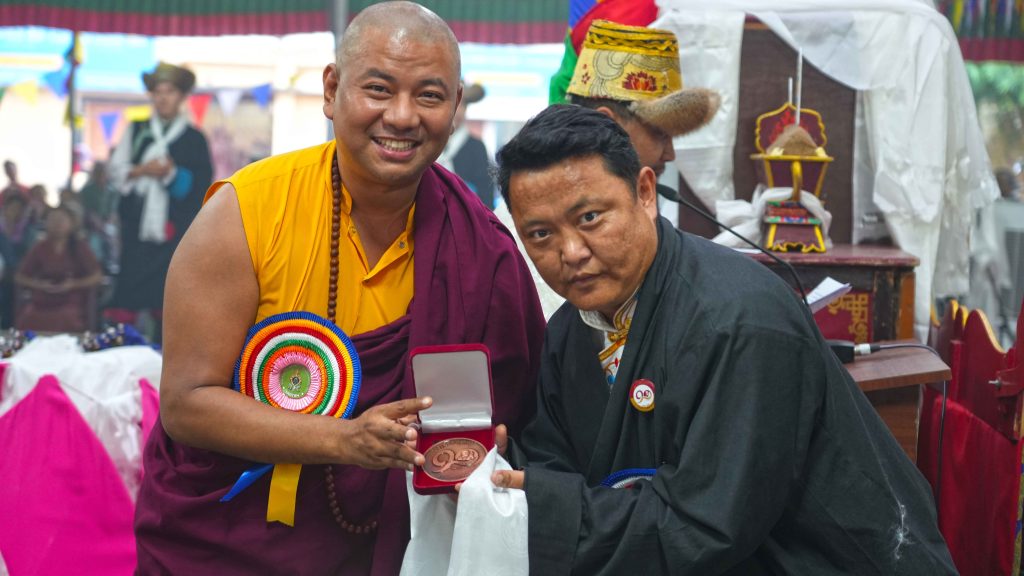
མཛད་སྒོའི་མཇུག་སྡོམ་སྐབས་སྐུ་མགྲོན་གཙོ་བོ་མཆོག་ནས་ལྷ་མོའི་ཟློས་གར་གྱི་བྱུང་རིམ་རགས་བསྡུས་ངོ་སྤྲོད་གནང་བ་དང་། སྤྱི་ཚོགས་ཁྲོད་བོད་ཀྱི་ཟློས་གར་སྒྱུ་རྩལ་འཁྲབ་སྟོན་པ་ཚོར་རྒྱ་ཆེའི་མང་ཚོགས་ནས་ཆེ་མཐོང་དང་ངོས་འཛིན་གནང་རྒྱུ་གལ་ཆེན་པོ་ཡིན་པ་དང་། བོད་ཀྱི་ལྷ་མོའི་ཟློས་གར་འདི་ནི་རང་མི་རིགས་ཀྱི་ངོ་བོ་མཚོན་ཐབས་ཤིག་ཡིན་པས་ཀུན་གྱིས་ཐུགས་སྣང་དགོས་པའི་བཀའ་སློབ་བཀའ་དྲིན་བསྐྱངས་གནང་སྟེ་བོད་ཀྱི་ཞོ་སྟོན་དུས་སྟོན་ཐོག་མཉམ་བཞུགས་གནང་མཁན་གྱི་འཁྲབ་སྟོན་པ་ཡོངས་ལ་མཇལ་དར་དང་ཕྱག་རྟགས་ལེགས་གསོལ་འབུལ་གནང་བ་དང་། ཞོ་སྟོན་དུས་རིམ་སྐབས་ཕྱག་རོགས་གནང་མཁན་སྤྱི་སྒེར་ཡོངས་ལ་ཐུགས་རྗེ་ཆེའི་མཇལ་དར་དང་ཕྱག་རྟགས་ཕུལ་གནང་སོང་། དེ་བཞིན་དམིགས་བསལ་སྐུ་མགྲོན་ཨོ་གཞིས་ས་གནས་འོག་འཛིན་མཆོག་ནས་དཔལ་ལྡན་ཆོས་རིག་ལས་ཁུངས་ཀྱི་སྐུ་ཚབ་ཞུས་ནས་ལྷ་མོའི་སྐྱིད་སྡུག་ཁག་རེ་རེར་སྒོར་འབུམ་གཅིག་རེ་ཕྱག་རྟགས་གསོལ་བསྩལ་གནང་བ་དང་། དཔལ་ལྡན་དགའ་ལྡན་ཕོ་བྲང་ཡིག་ཚང་ནས་ལྷ་མོའི་སྐྱིད་སྡུག་ཁག་མུ་མཐུད་རྒྱུན་གནས་སྲ་བརྟན་དང་འཛིན་སྐྱོང་སྤེལ་གསུམ་ཡོང་རྒྱུར་དམིགས་ཏེ་ཞལ་འདེབས་གསོལ་བསྩལ་སྒོར་ཁྲི་བདུན་རེ་གནང་སོང་།
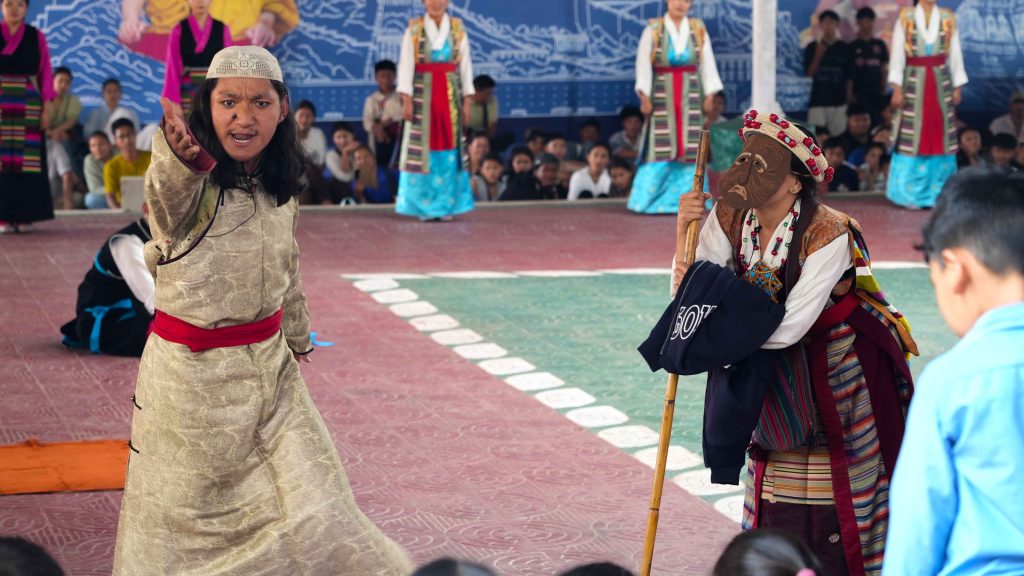
སྤྱིར་ད་ལན་བོད་ཀྱི་ཞོ་སྟོན་རྒྱས་པ་ཐེངས་ ༢༩ པ་དེ་བཞིན་ཕྱི་ཚེས་ ༡༨ ནས་ ༢༥ བར་ཚོགས་ཡོད་པ་དང་། ལྷ་མོའི་སྐྱིད་སྡུག་བདུན་ནས་ལྷ་གཞུང་མི་འདྲ་བ་ཁག་དྲུག་རྒྱ་ཆེའི་མང་ཚོགས་ལ་གཟིགས་འབུལ་གཟབ་རྒྱས་ཞུས་སོང་། དེ་ཡང་ཀོ་ལི་གྷལ་ལྷ་མོ་ཚོགས་པ་ནས་ལྷ་གཞུང་གཅུང་པོ་དོན་ཡོད་དོན་གྲུབ་དང་ཅོན་ཏཱ་ར་བོད་ཁྱིམ་ནས་ལྷ་གཞུང་ཁྱེའུ་པདྨ་འོད་འབར། རྡ་སྟེང་བོད་ཁྱིམ་ནས་ལྷ་གཞུང་ས་སྐྱ་པཎྜི་ཏའི་རྣམ་ཐར། སྦན་རྡ་ར་ལྷ་མོ་ཚོགས་པས་ལྷ་གཞུང་རྒྱ་བཟའ་བལ་བཟའ། སྤེལ་ཀོབ་ལྷ་མོ་ཚོགས་པས་ལྷ་གཞུང་འགྲོ་བ་བཟང་མོ། ཨོ་ཌི་ཤ་ལྷ་མོ་ཚོགས་པས་ལྷ་གཞུང་རྗེ་བཙུན་མི་ལ་རས་པ། བོད་ཀྱི་ཟློས་གར་ཚོགས་པས་ལྷ་གཞུང་ཁྱེའུ་པདྨ་འོད་བར་བཅས་གཟིགས་འབུལ་ཞུས་པ་དང་། གཞི་རྩའི་ད་རེས་ཞོ་སྟོན་དུ་མཉམ་བཞུགས་གནང་མཁན་ལྷ་ཚོགས་ཁག་ནས་ལྷ་གཞུང་གཟིགས་འབུལ་གནང་བའི་བརྒྱུད་རིམ་ནང་ཚང་མས་སྔར་ལྷག་འབད་བརྩོན་གྱིས་གཟིགས་འབུལ་གང་ལེགས་བྱུང་ཡོད་ནའང། གཞུང་སྲོང། འདྲེན་བཀུག འཁྲབ་འཁྱེར། རྒྱན་གོས་དང་ཁ་བཤད་སོགས་ལ་ད་དུང་ཆད་ལུས་ཤོར་བ་དང་འཐུས་སྒོ་མ་ཚང་བའི་རིགས་བྱུང་བཞིན་པར་སོང་དེ་རིགས་བསྐྱར་ཟློས་མི་ཡོང་བར་སྔ་ས་ནས་འཁྲབ་སྦྱོང་ཇི་དགོས་འབད་བརྩོན་གནང་དགོས་པ་དང་། ད་རེས་ཞོ་སྟོན་ནང་ལྷ་ཚོགས་དྲུག་དཀའ་ངལ་སྣ་ཚོགས་ལ་གཞིགས་ཏེ་མཉམ་བཞུགས་གནང་ཐུབ་མེད་པས་སླད་ཕྱིན་འདི་རིགས་བསྐྱར་ཟློས་དང་ངན་སྲོལ་མི་ཡོང་བའི་རེ་སྐུལ་ཞུས་གནང་སོང་ཞིང་། ད་ལན་ཞོ་སྟོན་གྱི་ལས་རིམ་སྔ་ཕྱི་བར་གསུམ་དུ་རྒྱབ་སྐྱོར་གནང་མཁན་ཚོགས་སྒེར་ཡོངས་ལ་ཐུགས་རྗེ་ཆེ་ཞུས་གནང་སོང་སྟེ་ཞོ་སྟོན་མཇུག་སྡོམ་མཛད་སྒོ་རྒྱལ་ཁའི་ངང་གྲུབ་སོང་།
29th Tibetan Shoton Festival Concludes with Grandeur at Phuntsokling Settlement
The 29th Grand Tibetan Shoton Festival, one of the most cherished cultural celebrations of the Tibetan community, concluded with great success on 25 March 2026 at 9:00 AM at the Phuntsokling Tibetan Settlement in Chandragiri, Odisha.
The closing ceremony was graced by Chief Guest Lama Sonam Tashi, Head of Dundul Rabtenling Monastery. Among the distinguished attendees were the representative of the Central Tibetan Administration (CTA), Settlement Officer Karma Lodoe Sangpo, esteemed guest Dr. Khushal Sharma, Deputy Inspector General of Police, along with his entourage, as well as dignitaries from monasteries and nunneries, leaders of local Tibetan institutions, representatives from governmental and non-governmental organizations, and principals of local schools. The event witnessed the participation of over 500 attendees, marking a vibrant and well-attended conclusion to the week-long festival.
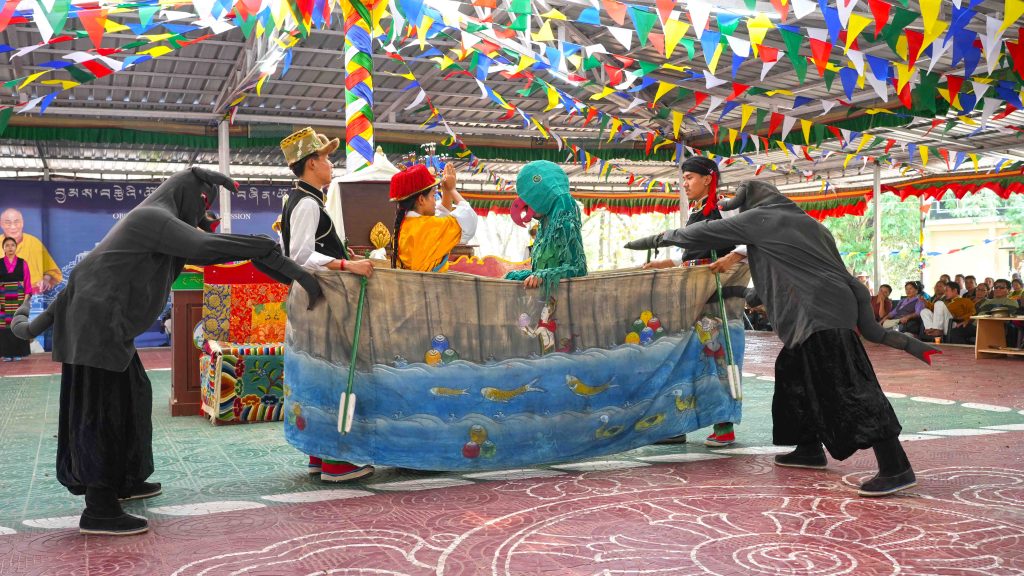
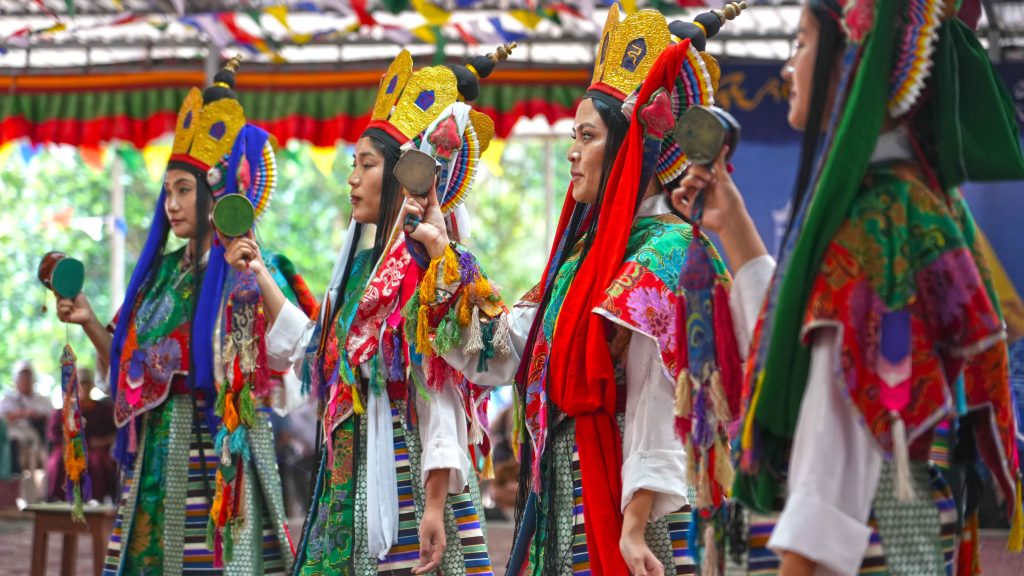
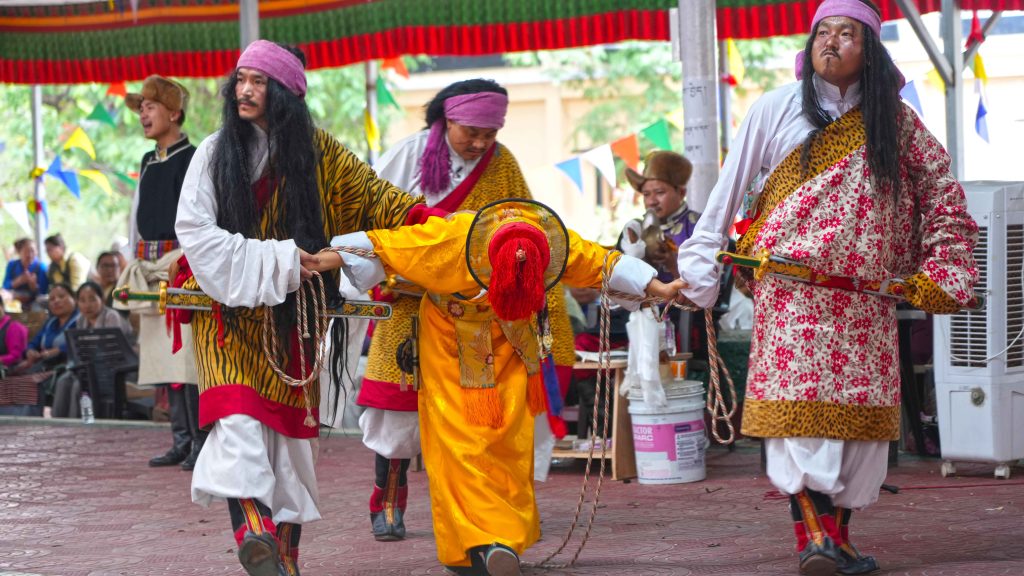
The ceremony commenced with an address by Mr. Dhondup Tsering, Director of the Tibetan Institute of Performing Arts (TIPA), who expressed his joy at the successful culmination of the festival. He highlighted that this year’s Shoton Festival was celebrated in honor of His Holiness the Dalai Lama’s birthday and the Year of Compassion, symbolizing unity, cultural preservation, and collective well-being.
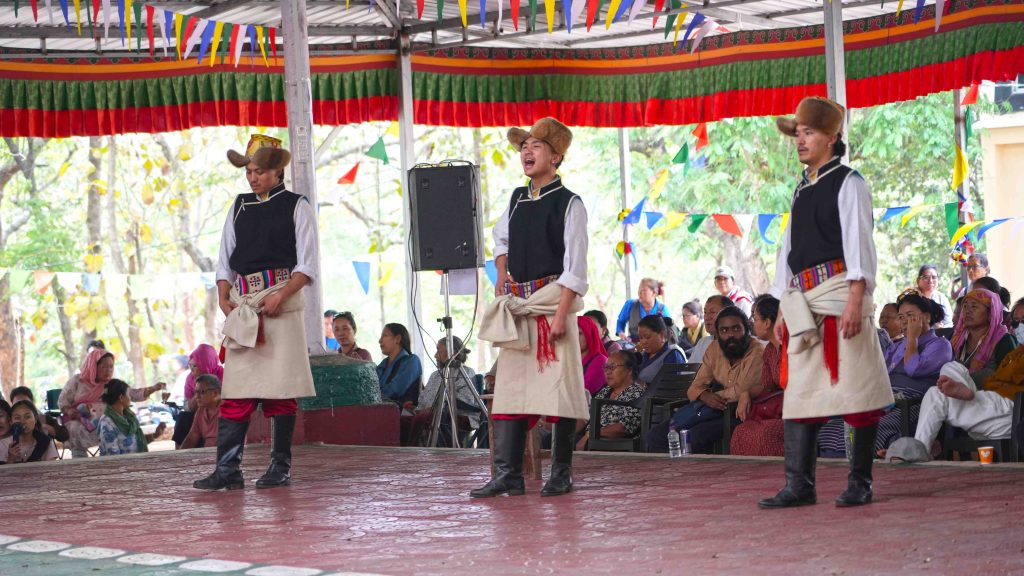
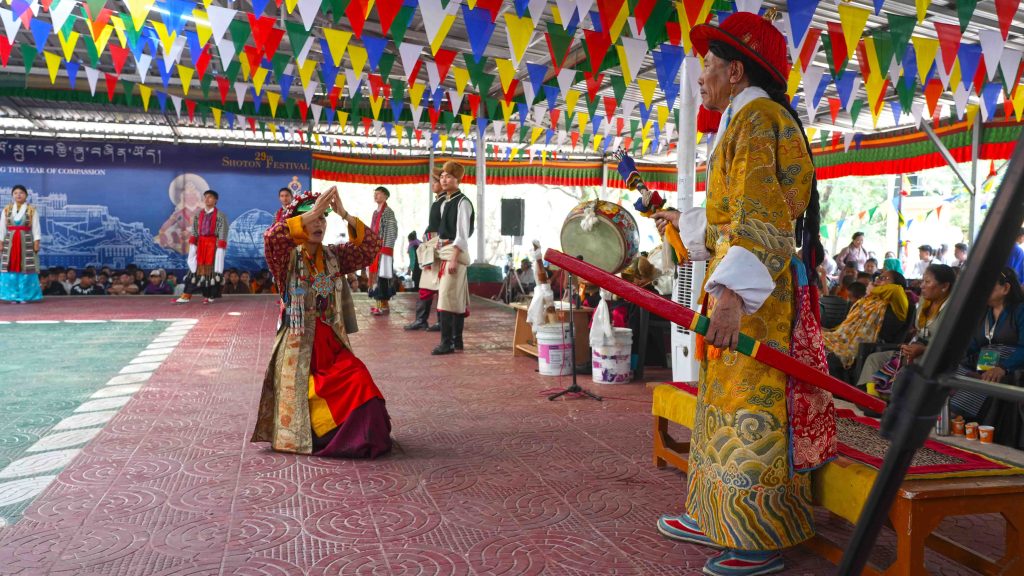
A major highlight of the closing ceremony was a grand presentation by TIPA of the sacred Tibetan opera, “The Life of Prince Khewo Pema Woebar,” which captivated the audience with its artistic excellence and spiritual depth.
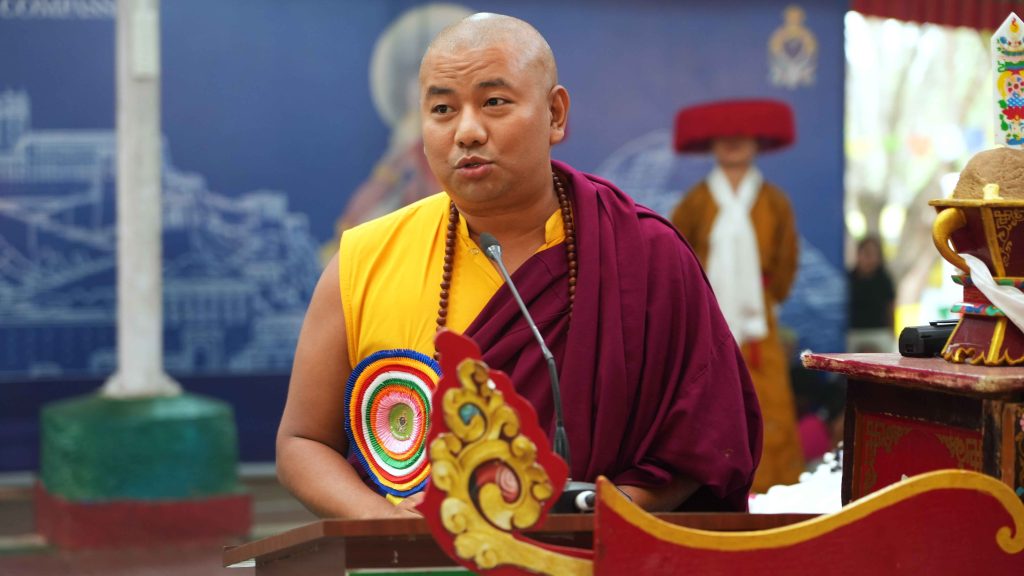
In his concluding remarks, the Chief Guest shared insights into the rich history of Lhamo (Tibetan opera) and emphasized its vital role in preserving Tibetan identity and heritage. He urged the public to continue supporting and appreciating Tibetan performing artists, noting that Lhamo remains a powerful expression of the Tibetan people’s cultural legacy. The ceremony concluded with the presentation of traditional khatas (ceremonial scarves) and tokens of appreciation to all performers and contributors.
As a gesture of support, the Settlement Officer, on behalf of the Department of Religion and Culture, CTA, awarded INR 100,000 to each participating opera association. Additionally, the Office of His Holiness the Dalai Lamacontributed INR 70,000 to each Lhamo troupe to support their sustainability, management, and future development.
This year’s festival, held from 18 to 25 March 2026, featured seven Lhamo troupes performing six traditional opera stories. Participating groups included troupes from Kollegal, Bylakuppe, Bhandara, Phuntsokling (Odisha), and Tibetan Children’s Villages from Chauntra and Upper Dharamshala. Their performances showcased renowned operas such as “Chungpo Dhonyoe Dhondup,” “Khewo Padma Woebar,” “Jetsun Milarepa,” “Drowa Zangmo,” “Gyalsa and Bhelsa,”and “The Life of Sakya Pandita.”
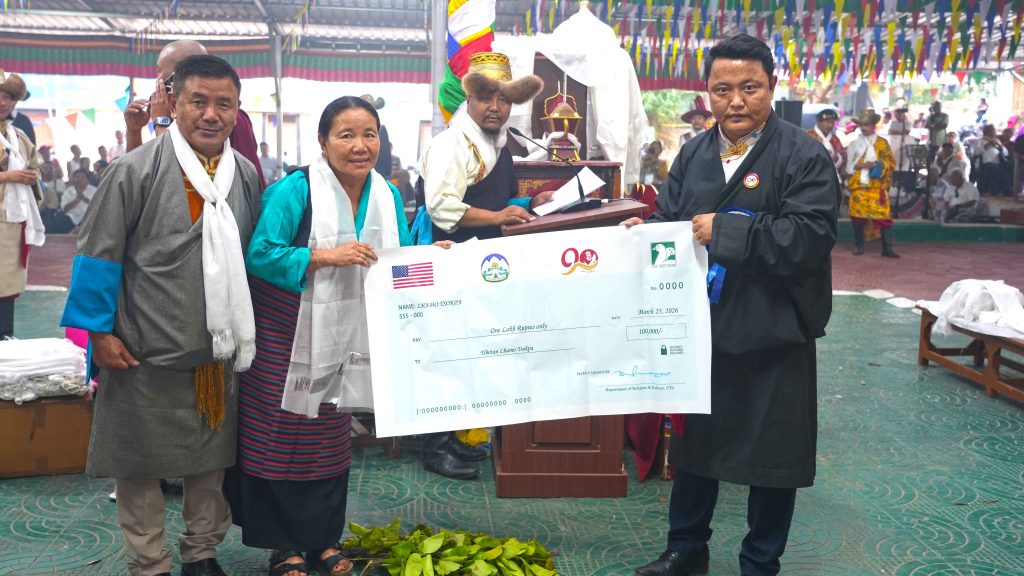
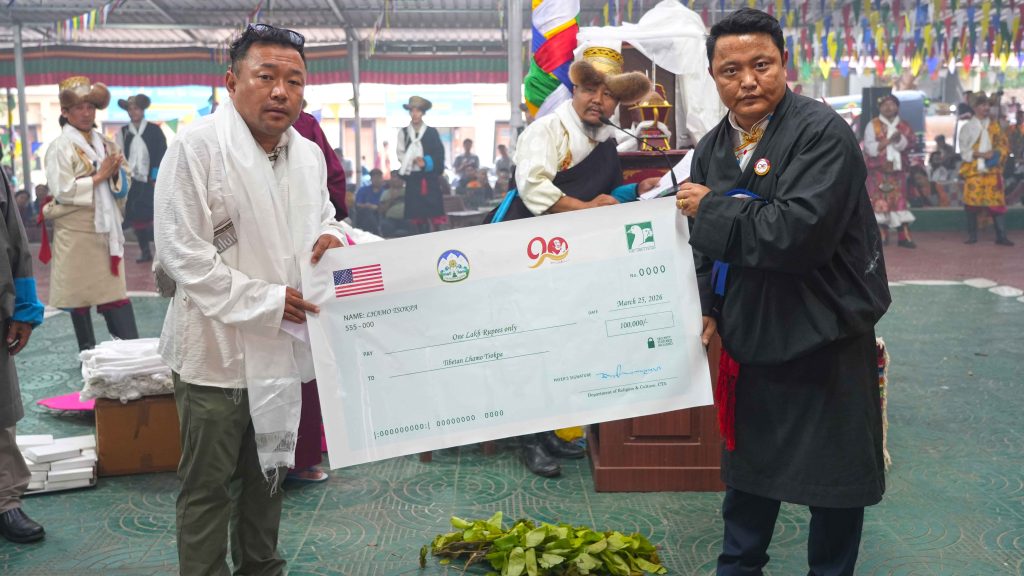
While all participating troupes demonstrated commendable dedication and artistic effort, the organizing committee noted areas for further improvement, including plot development, vocal delivery, performance style, costumes, and dialogue refinement. Emphasis was placed on increased rehearsal and preparation to enhance future performances. It was also noted that six Lhamo troupes were unable to participate this year due to various challenges, with hopes for broader participation in future festivals.
The organizing committee extended heartfelt gratitude to all performers, supporters, sponsors, and volunteers whose collective efforts ensured the resounding success of the 29th Tibetan Shoton Festival.