ཕྱི་ལོ་ ༢༠༢༦ ཟླ་ ༦ ཚེས་ ༢༠ ཉིན་བོད་ཀྱི་ཟློས་གར་ཚོགས་པའི་ཚོགས་ཁང་དུ་ཟློས་ཟུར་ཁྱུང་བྱང་གཞུང་པ་བསོད་ནམས་བཀྲ་ཤིས་ལགས་དང་བོད་ཀྱི་ཟློས་གར་ཚོགས་པ་ཟུང་སྦྲེལ་གྱིས་ཁོང་གིས་བརྩམས་གནང་བའི་གཞས་སྣ་བདུན་ཙམ་འཁྲབ་སྟོན་གཟིགས་འབུལ་ཞུས་པ་དང་། སྡེ་སྲིད་སངས་རྒྱས་རྒྱ་མཚོས་མཛད་པའི་མིག་ཡིག་རྣ་བའི་དགའ་སྟོན་འགུགས་པའི་ལྕགས་ཀྱུ་ཞེས་པ་ལས་མཆེད་པའི་མཆོད་སྤྲིན་གར་རོལ་གྱི་གར་གྱི་བྱུང་རབས་ཀྱི་དངོས་བྱུང་གློག་བརྙན་གཟིགས་འབུལ་ཞུས་གནང་སོང་།
ཕྱི་ཟླ་ ༦ ཚེས་ ༢༠ ཉིན་གྱི་དགོང་དྲོ་ཕྱག་ཚོད་ ༦།༠༠ ཐོག་བོད་ཀྱི་ཟློས་གར་ཚོགས་པའི་ཚོགས་ཁང་དུ་ཟློས་ཟུར་ཁྱུང་བྱང་གཞུང་པ་བསོད་ནམས་བཀྲ་ཤིས་ལགས་ཀྱིས་བཟོ་སྐྲུན་གནང་བའི་དངོས་བྱུང་གློག་བརྙན་སྡེ་སྲིད་སངས་རྒྱས་རྒྱ་མཚོས་མཛད་པའི་མིག་ཡིད་རྣ་བའི་དགའ་སྟོན་འགུགས་པའི་ལྕགས་ཀྱོ་ལས་མཆེད་པའི་མཆོད་སྤྲིན་གར་རོལ་གྱི་བྱུང་རབས་དངོས་བྱུང་གློག་བརྙན་གཟིགས་འབུལ་མཛད་སྒོར་སྐུ་མགྲོན་གཙོ་བོ་དཔལ་ལྡན་ནང་སྲིད་བཀའ་བློན་སྐུ་ངོ་དཔལ་ལྡན་དོན་གྲུབ་མཆོག་གདན་ཞུས་གནང་ཡོད་པ་དང་། དེ་བཞིན་བོད་མི་སྒྲིག་འཛུགས་ཀྱི་མཛད་གཙོ་རྣམ་པ་ཁག་ཅིག་དང་མཁས་དབང་རྣམ་པ། རིག་གཞུང་ཉམས་ཞིབ་པ་གཙོས་རྒྱ་ཆེ་མང་ཚོགས་བརྒྱ་ཕྲག་ཅིག་ཙམ་ཕེབས་གནང་སོང་།
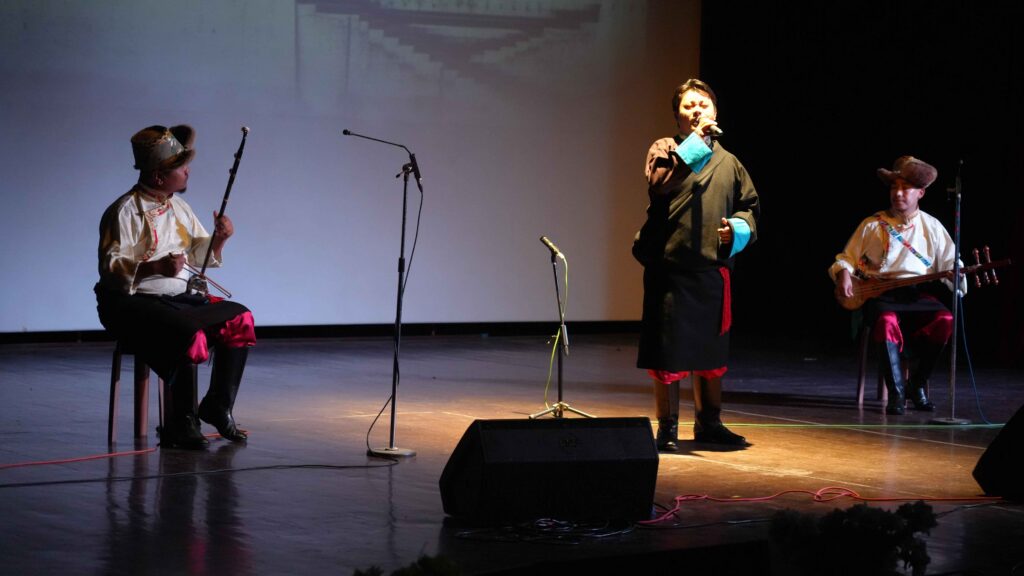
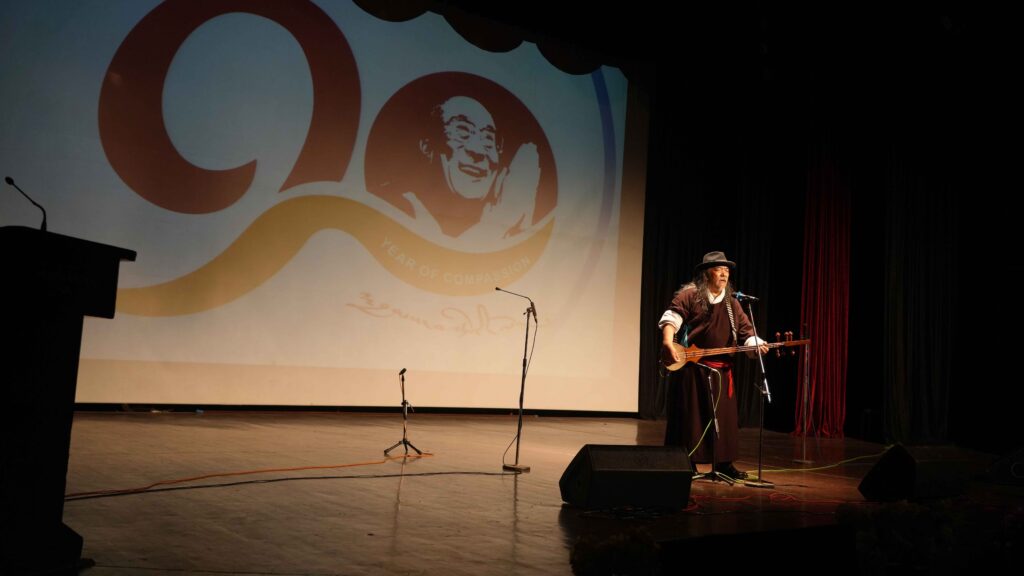
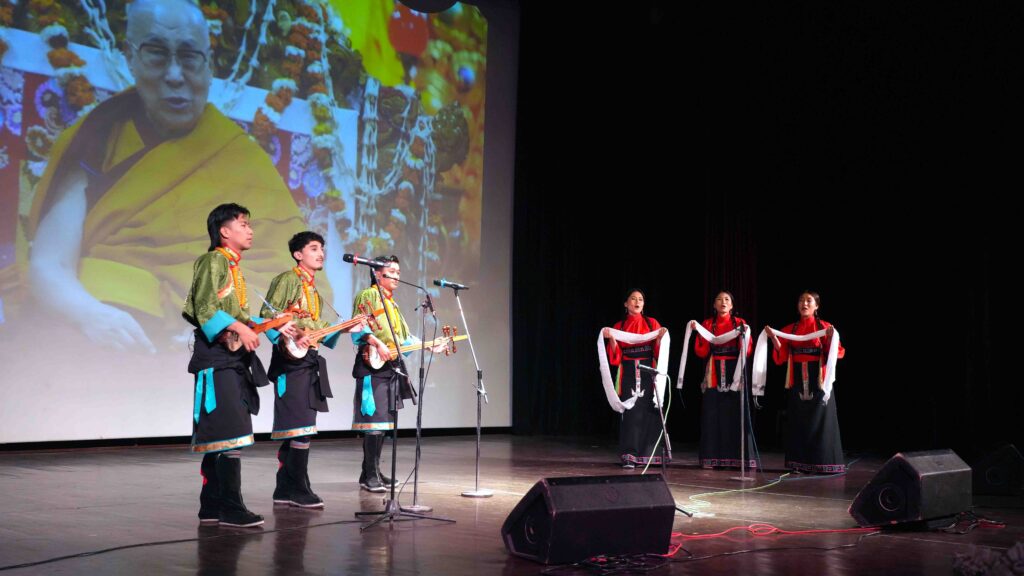
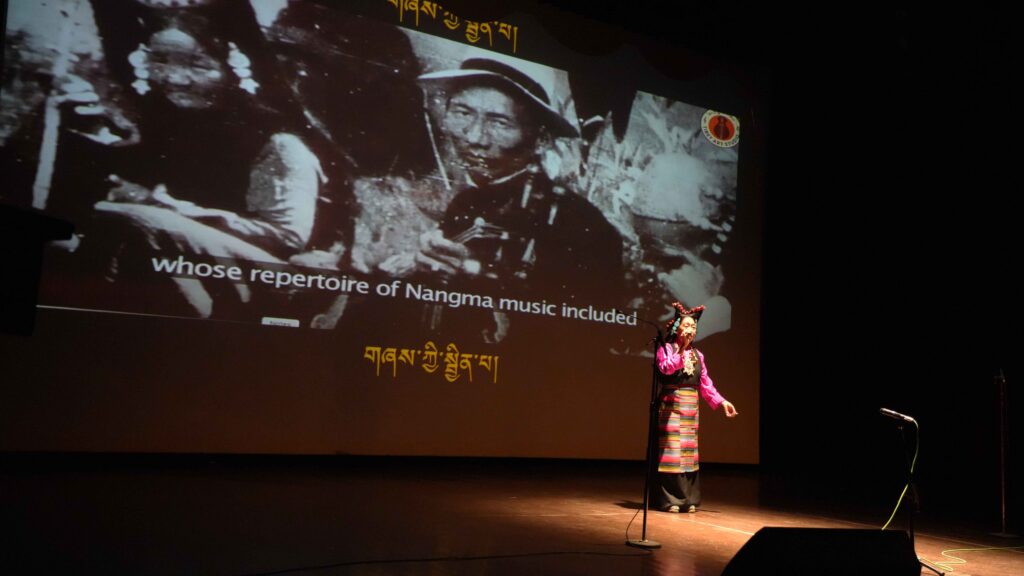
ཐོག་མར་བོད་ཀྱི་ཟློས་གར་ཚོགས་པའི་སྤྱི་ཁྱབ་འགན་འཛིན་མཆོག་ནས་ཟློས་ཟུར་ཁྱུང་བྱང་གཞུང་པ་བསོད་ནམས་བཀྲ་ཤིས་ལགས་དང་བོད་ཀྱི་ཟློས་གར་ཚོགས་པའི་གཉིས་ཟུང་སྦྲེལ་གྱིས་ལས་རིམ་དེ་ལྟར་སྤེལ་དགོས་པའི་དམིགས་ཡུལ་དང་། བརྒྱུད་རིམ་སོགས་ངོ་སྤྲོད་གནང་སོང་། དེའི་རྗེས་ཁོང་གིས་བཟོ་སྐྲུན་གནང་བའི་དངོས་བྱུང་གློག་བརྙན་སྡེ་སྲིད་སངས་རྒྱས་རྒྱ་མཚོས་མཛད་པའི་མིག་ཡིད་རྣ་བའི་དགའ་སྟོན་ལས་མཆེད་པའི་མཆོད་སྤྲིན་གར་རོལ་གྱི་གློག་བརྙན་གཟིགས་འབུལ་ཞུས་གྲུབ་རྗེས། བོད་ཀྱི་ཟློས་གར་ཚོགས་པ་དང་ཟུང་སྦྲེལ་གནང་བའི་གཞས་སྣ་ཁག་ཅིག་གཟིགས་འབུལ་ཞུས་གནང་སོང་བས་རྒྱ་ཆེ་མང་ཚོགས་ནས་དགའ་བསུ་ཆེན་པོ་གནང་སོང་། གཞས་སྣ་གཟིགས་འབུལ་གྲུབ་རྗེས་བོད་ཀྱི་ཟློས་གར་ཚོགས་པས་ཟློས་ཟུར་ཁྱུང་བྱང་གཞུང་པ་བསོད་ནམས་བཀྲ་ཤིས་ལགས་ཀྱིས་ལོ་ངོ་བཞི་བཅུ་ལྷག་ཙམ་རིང་བོད་ཀྱི་ཟློས་གར་སྒྱུ་རྩལ་ཐོག་འབད་འབུངས་ཆེ་བསྐྱེད་ཀྱིས་སྐུ་ལས་བསྐྱོན་པར་གཟེངས་བསྟོད་ཕྱག་རྟགས་གནང་སོང་།
སྐུ་མགྲོན་གཙོ་བོ་དཔལ་ལྡན་ནང་སྲིད་བཀའ་བློན་སྐུ་ངོ་དཔལ་ལྡན་དོན་གྲུབ་མཆོག་ནས་དེ་རིང་ཟློས་ཟུར་བསོད་ནམས་བཀྲ་ཤིས་ལགས་ཀྱིས་བཟོ་སྐྲུན་གནང་བའི་དངོས་བྱུང་གློག་བརྙན་དང་གཞས་སྣ་གསར་རྩོམ་ཞུས་པ་ཁག་གཟིགས་འབུལ་ལེགས་གྲུབ་བྱུང་བར་བསྔགས་བརྗོད་གནང་བ་དང་། སྐུ་ངོ་མཆོག་ནས་ཀྱང་ཆོས་རྗེ་སཎ་ཀུན་དགའ་རྒྱལ་མཚན་མཆོག་གིས་མཛད་གནང་བའི་རོལ་མོའི་བསྟན་བཅོས་གཟིགས་རྒྱུ་བྱུང་བར་སོང་། སླད་ཕྱིན་སྒྱུ་རྩལ་པ་ཚོས་ཀྱང་རོལ་མོའི་བསྟན་བཅོས་གཙོས་བོད་ཀྱི་ཟློས་གར་རིག་གནས་སྤྱི་བྱིངས་ལ་ཐུགས་སྣང་གནང་དགོས་པ་དང་། ད་སྐབས་སྤྱི་ཚོགས་ཁྲོད་ལྷག་དཀར་སྒོར་གཞས་དར་སྲོལ་ཆེན་པོ་བྱུང་བ་དེར་བསྔགས་བརྗོད་ཡོད་ཀྱང་གཞས་སྣ་འཁྲབ་སྟོན་པ་མང་པོས་སྒྲ་སྒམ་བརྒྱུད་དེ་གཞས་སྣ་འཁྲབ་སྟོན་གནང་བ་ལས་རང་ཉིད་ཀྱི་ཁ་ནས་བཏང་སྟེ་འཁྲབ་སྟོན་བྱེད་ཀྱི་མེད་སྟབས། ངེས་པར་དུ་གླུ་ཁ་ནས་བཏང་སྟེ་འཁྲབ་སྟོན་བྱེད་རྒྱུ་གལ་ཆེན་པོ་ཡིན་པ་དང་། རྒྱ་ཆེའི་མང་ཚོགས་ནས་ཀྱང་བོད་ཀྱི་ཟློས་གར་ཚོགས་པར་དམིགས་དཔེ་ཡར་བལྟས་གནང་རྒྱུ་གལ་ཆེན་པོ་ཡིན་པའི་བཀའ་སློབ་གནང་སོང་། མཐར་བོད་ཀྱི་ཟློས་གར་ཚོགས་པའི་དྲུང་ཆེ་བསོད་ནམས་ཆོས་འཕེལ་ལགས་ཀྱིས་ཐུགས་རྗེ་ཆེ་གསུང་བཤད་གནང་གྲུབ་རྗེས་གཟིགས་མོ་རྒྱལ་ཁའི་ངང་གྲོལ་གནང་སོང་།


བོད་ཀྱི་ཟློས་གར་ཚོགས་པའི་ཟློས་ཟུར་ཁྱུང་བྱང་གཞུང་པ་བསོད་ནམས་བཀྲ་ཤིས་ལགས་ཀྱི་ལོ་རྒྱུས་སྙིང་བསྡུས།
ཟློས་ཟུར་ཁྱུང་བྱུང་གཞུང་པ་བསོད་ནམས་བཀྲ་ཤིས་ལགས་ནིི་བོད་དུ་འཁྲུངས་ཤིང་། ཕྱིས་སུ་བཙན་བྱོལ་དུ་འབྱོར་རྗེས་མ་སུ་རི་བོད་ཁྱིམ་སློབ་གྲྭར་སློབ་སྦྱོང་གནང་བ་དང་། ཕྱི་ལོ་ ༡༩༧༣ ཟླ་ ༩ ཚེས་ ༠༢ ཉིན་བོད་ཀྱི་ཟློས་གར་ཚོགས་པའི་ནང་འཛུལ་བཞུགས་ཀྱིས་ཟློས་གར་རིག་གནས་ཐོག་མཁྱེན་དཔྱོད་ཡངས་པའི་སྐྱོར་མོ་ལུང་ལུགས་ཀྱི་ལྷ་དགེ་ཆེན་མོ་ནོར་བུ་ཚེ་རིང་ལགས་དང་གཅུང་པ་ལུགས་ཀྱི་ལྷ་དགེ་རྡོ་རྗེ་ལགས་སོགས་དགེ་རྒན་རྒན་གྲས་མང་པོའི་སྐུ་མདུན་ནས་སློབ་སྦྱོང་ཞུས་ཏེ་ཐེག་པ་རིམ་འཛེགས་ཀྱིས་ཟློས་གར་རིག་གནས་ཐོག་སློབ་སྦྱོང་ལོ་དགུ་ཙམ་རིང་གནང་།
ཕྱིས་སུ་ཕྱི་ལོ་ ༡༩༨༡ ཟླ་ ༡༢ ཚེས་ ༣༡ ཉིན་བོད་ཀྱི་ཟློས་གར་ཚོགས་པ་ནས་རྩ་དགོངས་ཞུས་ཏེ་ཨ་རི་དུ་གནས་སྤོས་གནང་སྟེ་ Colorado ནང་བཞུགས་སྐབས་ཕྱི་རྒྱལ་གྱི་མཐོ་རིམ་སློབ་གྲྭའི་ནང་ལས་གཞོར་དུ་གཏམ་བརྗོད་ཟློས་གར་དང་སྒྱུ་རྩལ་རིག་གནས་ཐོག་སློབ་སྦྱོང་གནང་བ་དང་། རྗེས་སུ་སྲོལ་རྒྱུན་ཟློས་གར་མཁན་ཅན་བཀྲ་ཤིས་དོན་གྲུབ་ལགས་དང་ལྷན་དུ་ལྕགས་ཟམ་པའི་སྒྲིག་འཛུགས་གསར་འཛུགས་གནང་།
མདོར་ན་ཁོང་གིས་མི་ལོ་བཞི་བཅུ་ལྷག་བོད་ཀྱི་ཟློས་གར་རིག་གནས་དང་འབྲེལ་བའི་ཐོག་ཕྱག་ལས་གནང་ཞིང་། དངོས་བྱུང་གློག་བརྙན་ཨ་ཇོ་རྣམ་རྒྱལ་དང་སྐྱོར་མོ་ལུང་ལྷ་དགེ་ནོར་བུ་ཚེ་རིང་། དེ་བཞིན་ད་ལན་གཟིགས་འབུལ་ཞུ་བཞིན་པའི་དངོས་བྱུང་གློག་བརྙན་མིག་ཡིད་རྣ་བའི་དགའ་སྟོན་ལས་མཆེད་པའི་མཆོད་སྤྲིན་གར་གླུའི་བྱུང་རབས་སྐོར་སོགས་དངོས་བྱུང་གློག་བརྙན་ཁག་མི་འདྲ་བ་གསུམ་ཙམ་དང་། གཞས་ཚིག་ལྷ་སའི་བུ་མོ་དང་གཞས་ཀྱི་སྦྱིན་པ། ནང་མ་༸རྒྱལ་བའི་གོ་སྟོན། ནོར་བུ་མི་འདུག་མ་གསུང་། དབུ་མའི་ལམ་སོགས་སྙན་འཇེགས་ལྡན་པའི་གླུ་གཞས་མང་པོ་གསར་རྩོམ་གནང་བ་སོགས་ལོ་རྒྱུས་སྙིང་བསྡུས་སུ།

TIPA hosts cultural performances and public screening on origins of Chotrin Garroel
Dharamshala, June 20, 2026 —Tibetan Institute of Performing Arts (TIPA) hosted a special cultural event on Saturday evening featuring the screening of a documentary produced by former TIPA artist Sonam Tashi and a series of musical performances showcasing his original compositions.
The program, held at the TIPA auditorium, was jointly organized by Sonam Tashi and the institute. The event drew a large audience, including senior officials of the Central Tibetan Administration (CTA), scholars, cultural researchers, and members of the public.
The chief guest, CTA Home Kalon Palden Dhondup, attended the event alongside other distinguished guests. The program opened with remarks by TIPA’s Director, who outlined the objectives and significance of the event and highlighted Sonam Tashi’s long-standing contributions to Tibetan performing arts.
A documentary chronicling the history and development of Chotrin Garrol was then screened. The film was based on material derived from Migye Nawae Gaton, a work composed by the renowned Tibetan statesman and scholar Desi Sangye Gyatso. Produced by Sonam Tashi, the documentary explores the origins and evolution of an important aspect of Tibetan musical and dance traditions.
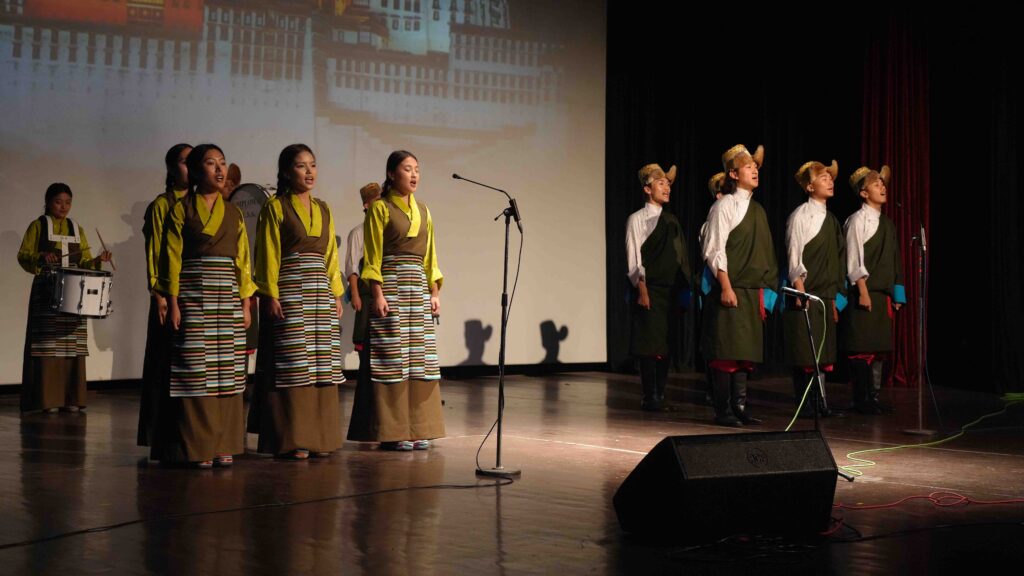
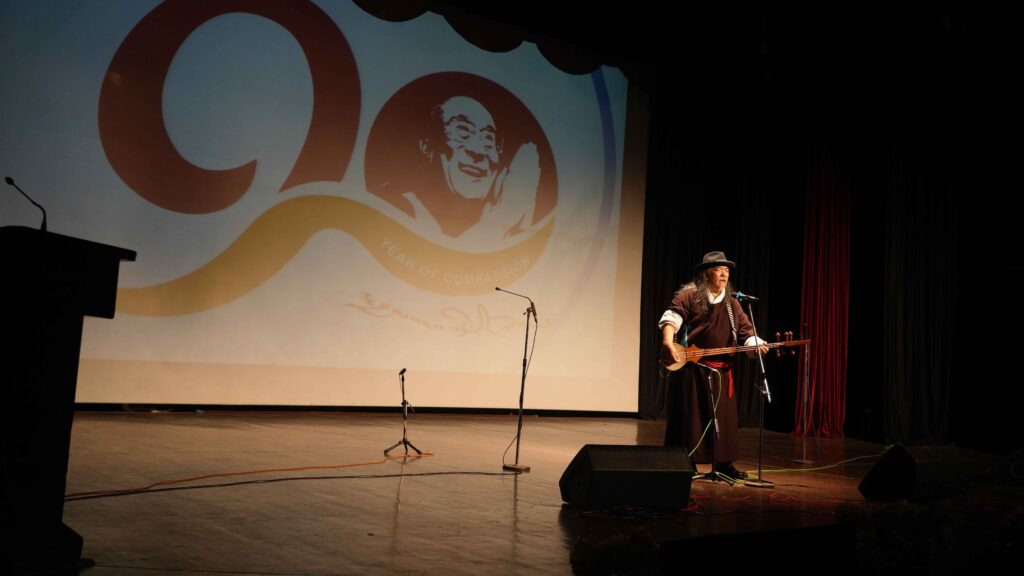
Following the screening, performers presented a selection of songs composed by Sonam Tashi in collaboration with TIPA artists. The performances were warmly received by the audience and were met with enthusiastic applause.
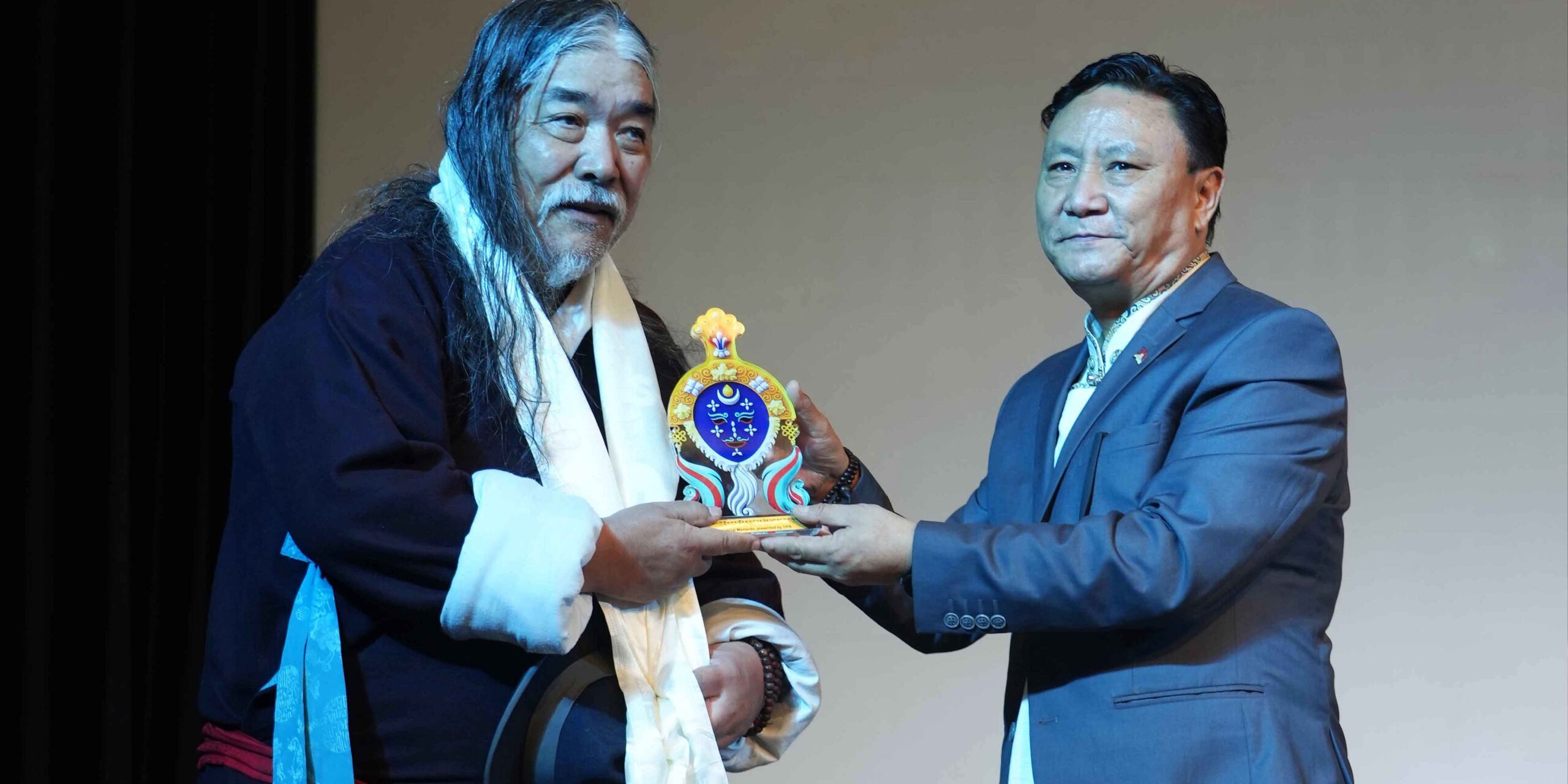
In recognition of his more than four decades of dedication and service to Tibetan performing arts, TIPA presented Sonam Tashi with a memento. The institute commended his lifelong efforts to preserve, promote, and develop Tibetan artistic traditions.
Addressing the gathering, Home Kalon Palden Dhondup congratulated Sonam Tashi on the successful presentation of both the documentary and the musical performances. He emphasized the importance of studying traditional Tibetan musical treatises and preserving the rich heritage of Tibetan performing arts. He also encouraged artists to strengthen their commitment to authentic artistic practices and highlighted the value of live singing performances.
The Home Kalon further urged the public to continue supporting and learning from institutions such as TIPA, which play a vital role in safeguarding Tibetan cultural heritage.
The event concluded with a vote of thanks delivered by TIPA Secretary Sonam Chophel, after which the program came to a successful close.



Veteran Artist and Cultural Advocate
Sonam Tashi was born in Tibet and later received his education at the Tibetan Homes School in Mussoorie, India, after arriving in exile. He joined the Tibetan Institute of Performing Arts on September 2, 1973, where he underwent extensive training in Tibetan opera, music, and dance under several distinguished masters.
After nearly a decade of study and performance at TIPA, he immigrated to the United States in 1981. While residing in Colorado, he pursued further studies in speech, drama, arts, and culture. He later co-founded Chaksampa, an organization dedicated to preserving and promoting traditional Tibetan performing arts.
Throughout his career Sonam Tashi remained committed to the preservation of Tibetan cultural heritage, earning recognition as a respected artist, educator, and cultural advocate within the Tibetan community.