ཕྱི་ལོ་ ༢༠༢༦ ཟླ་ ༤ ཚེས་ ༥ ཉིན་བོད་ཀྱི་ཟློས་གར་ཚོགས་པས་བྷན་དྷ་ར་ནོར་རྒྱལ་གླིང་བོད་མིའི་གཞིས་ཆགས་སུ་རིག་གཞུང་སྐོར་སྐྱོད་ལས་གཞི་རྒྱལ་ཁའི་ངང་ལེགས་གྲུབ་བྱུང་བ་དང་། རིག་གཞུང་འཁྲབ་སྟོན་གྱི་སྐོར་སྐྱོད་འདི་ནི་རྒྱ་གར་ནང་གི་དབུས་བོད་མིའི་གཞིས་ཆགས་ཁག་གསུམ་གྱི་ཁོངས་ནས་སྐོར་སྐྱོད་ལས་རིམ་མཐའ་མ་དེ་ཡིན། ཁ་སྔོན་མན་སྤར་ཕན་བདེ་གླིང་བོད་མིའི་གཞིས་ཆགས་སུ་སྐོར་སྐྱོད་ལེགས་གྲུབ་བྱུང་རྗེས། བོད་ཀྱི་ཟློས་གར་ཚོགས་པའི་སྤྱི་ཁྱབ་འགན་འཛིན་དོན་གྲུབ་ཚེ་རིང་ལགས་ཀྱི་སྣེ་འཁྲིད་འོག་སྒྱུ་རྩལ་སློབ་ཁྲིད་འགན་འཛིན་བསྟན་འཛིན་ཕུན་ཚོགས་ལགས་གཙོས་དགེ་རྒན་དང་ལས་བྱེད། འཁྲབ་སྟོན་པ་བཅས་མི་གྲངས་ ༤༢ ཕྱི་ཟླ་ ༤ ཚེས་ ༢ ཉིན་གྱི་ཕྱི་དྲོར་བྷན་རྷ་ར་ནོར་རྒྱས་གླིང་བོད་མིའི་གཞིས་ཆགས་སུ་བདེ་འབྱོར་བྱུང་སོང་།
ད་ལན་གྱི་རིག་གཞུང་སྐོར་སྐྱོད་ཞུ་རྒྱུའི་དམིགས་ཡུལ་གཙོ་བོ་ནི་སྤྱི་ནོར་༸གོང་ས་༸སྐྱབས་མགོན་ཆེན་པོ་མཆོག་དགུང་གྲངས་ ༩༠ བཞད་པའི་༸རྒྱལ་བའི་གོ་སྟོན་དང་བྱམས་བརྩེའི་ལོ་སྲུང་བརྩི་དང་བསྟུན་ཏེ། བོད་མི་གནས་ཡུལ་གྱི་གཞིས་ཆགས་ཁོངས་སུ་དཔུང་པ་ས་འོག་ཏུ་བཅུག་ནས་སྐུ་ལས་བསྐྱོན་མཁན་གྱི་མི་ཐོག་རྒན་པ་ཚོས་གཞིས་ཆགས་ཁག་རྒྱུན་གནས་སྲ་བརྟན་གནས་ཐབས་སླད་སྐུ་ལས་བསྐྱོན་པ་དང་། དེ་བཞིན་བཙན་བྱོལ་བོད་མིའི་སྤྱི་ཚོགས་ནང་རིག་གཞུང་རྒྱུན་འཛིན་དང་ཕྱག་ལྟར་གནང་རྒྱུར་གདོང་ལེན་སྣ་ཚོགས་བྱེད་བཞིན་པའི་སྐབས་འདིར་གཞོན་སྐྱེས་ཚོའི་ཁྲོད་དུ་བོད་ཀྱི་སྲོལ་རྒྱུན་གྱི་འཁྲབ་སྟོན་སྒྱུ་རྩལ་སྲུང་སྐྱོབ་དང་དར་སྤེལ་གཏོང་རྒྱུའི་གལ་ཆེན་རང་བཞིན་ལ་དམིགས་ཏེ་སྐོར་སྐྱོད་གོ་རྟོགས་སྤེལ་རྒྱུའི་ལས་གཞི་འདི་བརྩམས་པ་ཡིན།
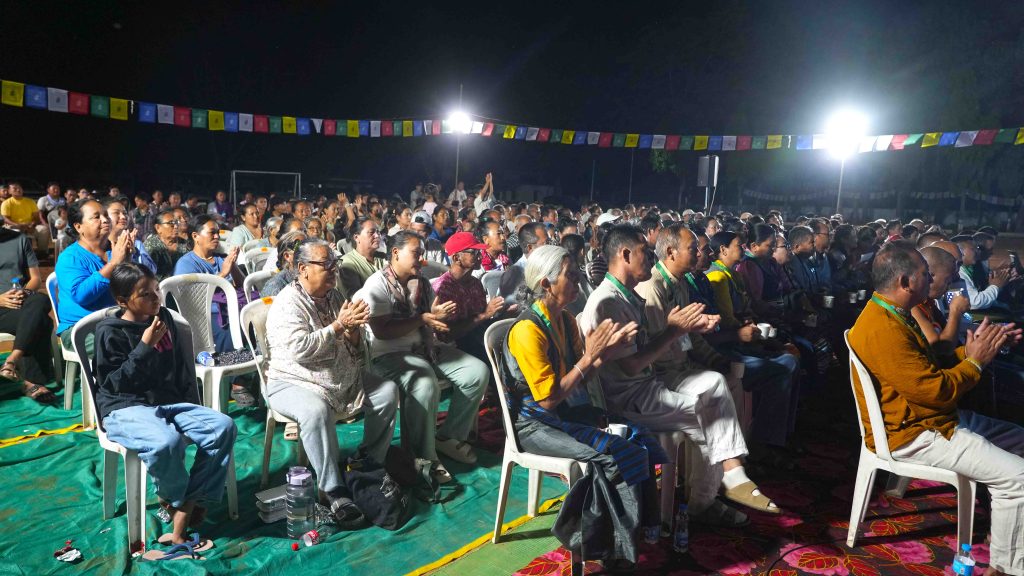
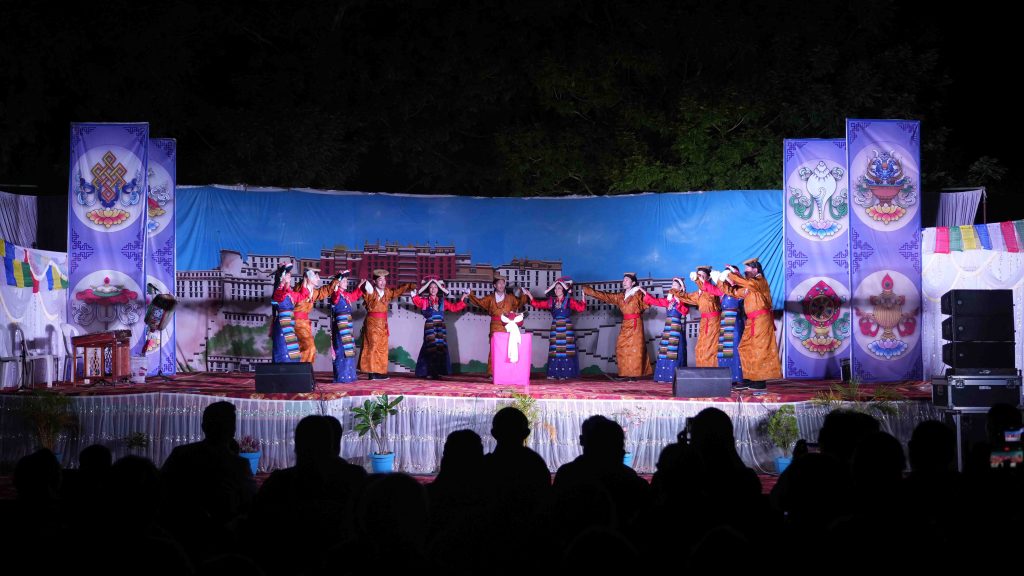
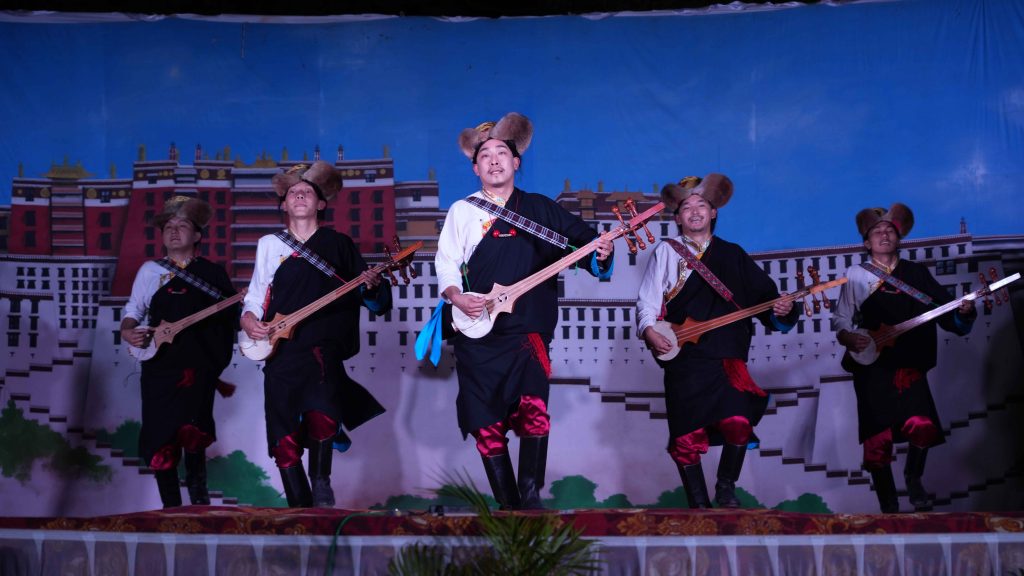
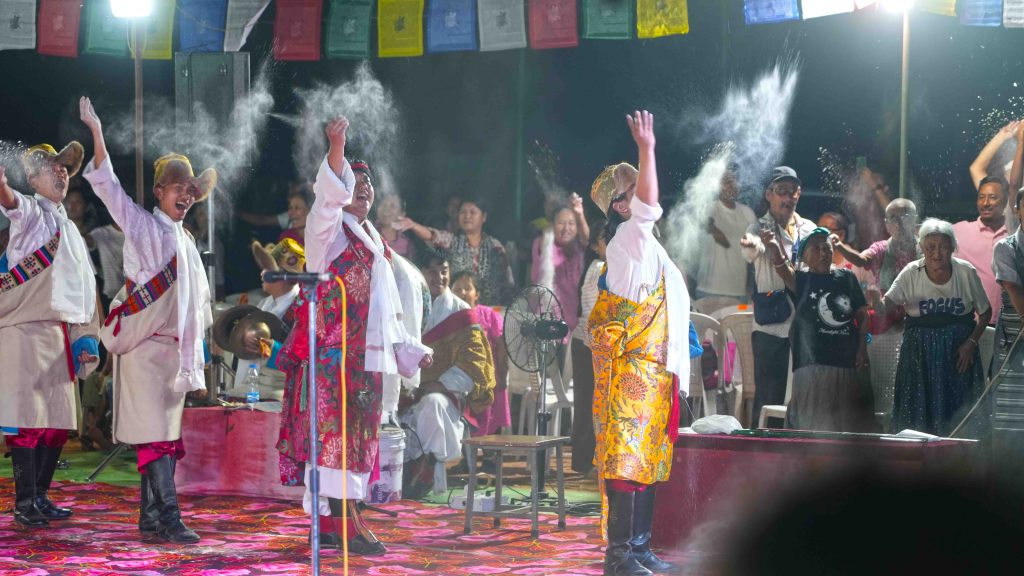
ཕྱི་ལོ་ ༢༠༢༦ ཟླ་ ༤ ཚེས་ ༣ ཉིན་གྱི་དགོང་མོར་ཆུ་ཚོད་ ༧:༠༠ ཙམ་ལ་བོད་ཀྱི་ཟློས་གར་ཚོགས་པའི་སྒྱུ་རྩལ་བ་རྣམས་ཀྱིས་ནོར་རྒྱས་གླིང་གཞིས་ཆགས་ཀྱི་སཾ་བྷོ་ཊའི་སློབ་གྲྭའི་རྩེད་ཐང་དུ་སྡིངས་ཆ་གསར་སྐྲུན་བགྱིས་ཏེ་བོད་ཀྱི་ཐུན་མོང་མ་ཡིན་པའི་གནའ་བོའི་རིག་གཞུང་འཁྲབ་སྟོན་དང་། དེ་རྗེས་“སེམས་ཅན་ཐམས་ཅད་ཀྱི་བདེ་སྐྱིད་ཀྱི་རྩ་བ་ནི་སྙིང་རྗེ་ཡིན་” དང་ “ཡུལ་གྱར་བའི་སེམས་པ་” ཞེས་པའི་བརྗོད་གཞིའི་ཐོག་གཏམ་བརྗོད་གཉིས་འཁྲབ་སྟོན་ཞུས་ཡོད། ལས་རིམ་དེར་ས་གནས་ཀྱི་མི་སྣ་གལ་ཆེན་དང་མང་ཚོགས་མི་གྲངས་ ༤༠༠ ཙམ་མཉམ་ཞུགས་བྱས་གནང་སོང་།
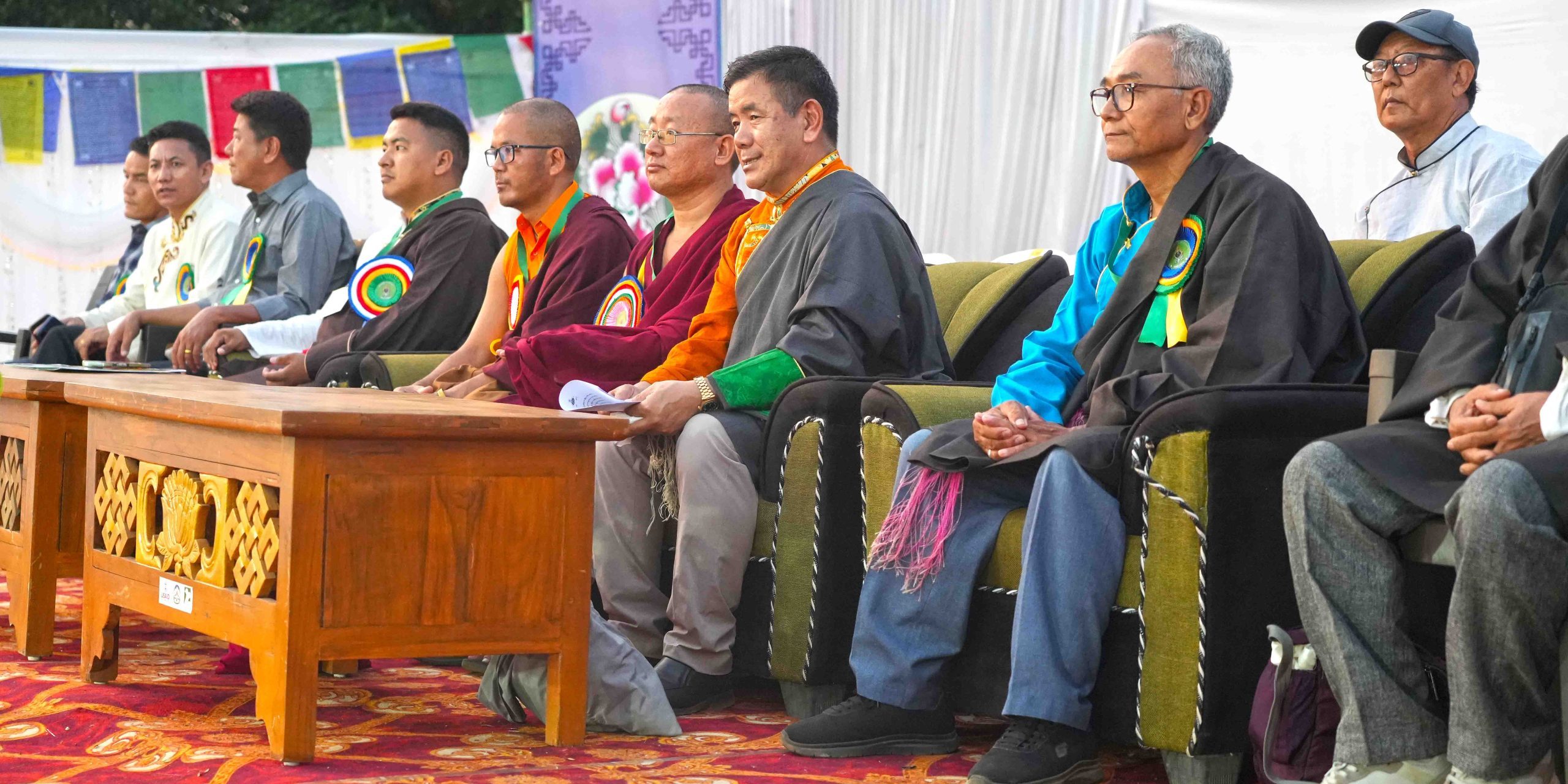
ཕྱི་ཉིན་ཕྱི་ལོ་ ༢༠༢༦ ཟླ་ ༤ ཚེས་ ༤ ཉིན་གྱི་དགོང་མོར་ས་གནས་དེ་གར་བོད་ཀྱི་ཐུན་མོང་མ་ཡིན་པའི་ལྷོ་མོའི་གཞུང་ “ཁྱེའུ་པདྨ་འདོ་འབར་བ་” གཟིགས་འབུལ་ཞུས། ལས་རིམ་དེར་སྐུ་མགྲོན་གཙོ་བོ་དགེ་བཤེས་ལྷ་རམས་པ་ལེགས་སྐྱིད་ཚེ་རིང་མཆོག་དང་། དམིགས་བསལ་སྐུ་མགྲོན་ Smt. Jyoti Kamble, Sub-Divisional Magistrate (SDM) of Arjuni Morgaon. མཆོག་གདན་ཞུ་ཕུལ་དོན་ལྟར་ལས་དོན་གལ་ཆེ་ཡོད་ནའང་བོད་ཀྱི་རིག་གཞུང་ལ་ཐུགས་སྣང་དང་རྒྱབ་སྐྱོར་ཆེད་ཕེབས་བཞུགས་གནང་པ་དང་། དེ་བཞིན་གཞིས་ཆགས་ཀྱི་ལས་ཀྱི་སྣེ་མོ་བ་དང་མང་ཚོགས་མི་གྲངས་ ༣༠༠ ལྷག་ཙམ་མཉམ་བཞུགས་ཀྱིས་ལྷ་གཞུང་གཟིགས་མོ་གཟིགས་ཁར་བཅར་འདུག་གནང་སོང་།
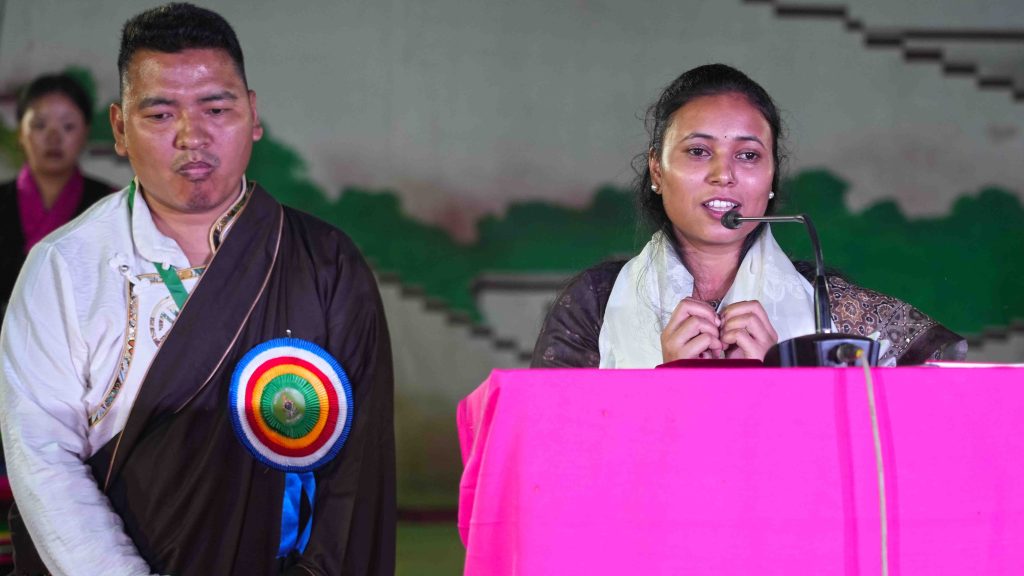
བོད་ཀྱི་ཟློས་གར་ཚོགས་པའི་སྤྱི་ཁྱབ་འགན་འཛིན་མཆོག་ནས་འཚམས་འདྲི་དང་བོད་ཀྱི་ལྷ་མོའི་ཟློས་གར་གྱི་འཕེལ་རིམ་དང་སྲུང་སྐྱོབ་སྐོར་གཏམ་བཤད་གནང་རྗེས། སྒྱུ་རྩལ་བ་རྣམས་ཀྱིས་ལྷ་གཞུང་ཁྱེའུ་པདྨ་འདོ་འབར་གནམ་གཤིས་ཚ་དྲོད་ཆེ་ནའང་ཉིན་འཁྱོངས་གཟིགས་འབུལ་ཞུས་པ་དང་། མང་ཚོགས་ནས་དོ་སྣང་ཆེན་པོས་གཟིགས་མོར་ཕེབས་ཞིང་། འཁྲབ་སྟོན་དེར་ཧ་ཅང་གི་དགའ་མོས་དང་བསྔགས་བརྗོད་བྱས།
བོད་ཀྱི་ཟློས་གར་ཚོགས་པའི་རིག་གཞུང་སྐོར་བསྐྱོད་དེ་ལེགས་གྲུབ་བྱུང་བ་དང་། དགེ་རྒན་དང་། ལས་བྱེད། སྒྱུ་རྩལ་བ་ཚང་མས་འགྲུལ་བཞུད་དེའི་དམིགས་ཡུལ་འགྲུབ་པར་འབད་བརྩོན་ཆེན་པོ་གནང་ཡོད། སྐོར་སྐྱོད་ལས་རིམ་མངོན་འགྱུར་ཐུབ་ཐབས་སུ་ས་གནས་འགོ་འཛིན་ལས་ཁུངས་དང་། དམིགས་བཀར་གཞིས་གྲོང་ཁག་གི་སྤྱི་མི། ས་གནས་ལྷ་མོ་ཚོགས་པ། ས་གནས་གཞོན་ནུ་དང་བེུད་ཚོགས་པ་དང་དྭང་ཟུར་ཚོགས་པ་བཅས་ནས་མཐུན་འགྱུར་རམ་འདེགས་གནང་བ་དང་། མང་ཚོགས་ཀྱིས་དགའ་སྤྲོ་དང་བསྔགས་བརྗོད་ཧ་ཅང་ཆེན་པོ་གནང་སྟེ་བློ་བཅད་ཞལ་འདེབས་ཀྱང་གཏོང་ཕོད་ཆེན་པོ་གནང་ཞིང་རང་མི་རིགས་ཀྱི་ཕ་མེས་ནས་བརྒྱུད་པའི་རིག་གཞུང་གཅེས་ནོར་དེར་ཆེ་མཐོང་དང་གུས་བརྩི་ཆེན་པོ་གནང་བར་སོང་ད་ལན་གྱི་རིག་གཞུང་སྐོར་སྐྱོད་ལས་གཞི་འདི་རྒྱལ་ཁའི་ངང་ལེགས་གྲུབ་བྱུང་སོང་།
TIPA Concludes Inspiring Cultural Tour at Norgyeling Settlement with Resounding Success
The Tibetan Institute of Performing Arts (TIPA) has successfully concluded its cultural tour at Bhandara Norgyeling Tibetan Settlement, marking the final and memorable leg of its outreach across Central Tibetan settlements in India.
Following the successful completion of programs at Mainpat Phendeling Tibetan Settlement, a 42-member TIPA delegation led by Director Mr. Dhondup Tsering arrived at Norgyeling on 2nd April 2026. The delegation included the Artistic Director, teachers, staff, and talented artists.
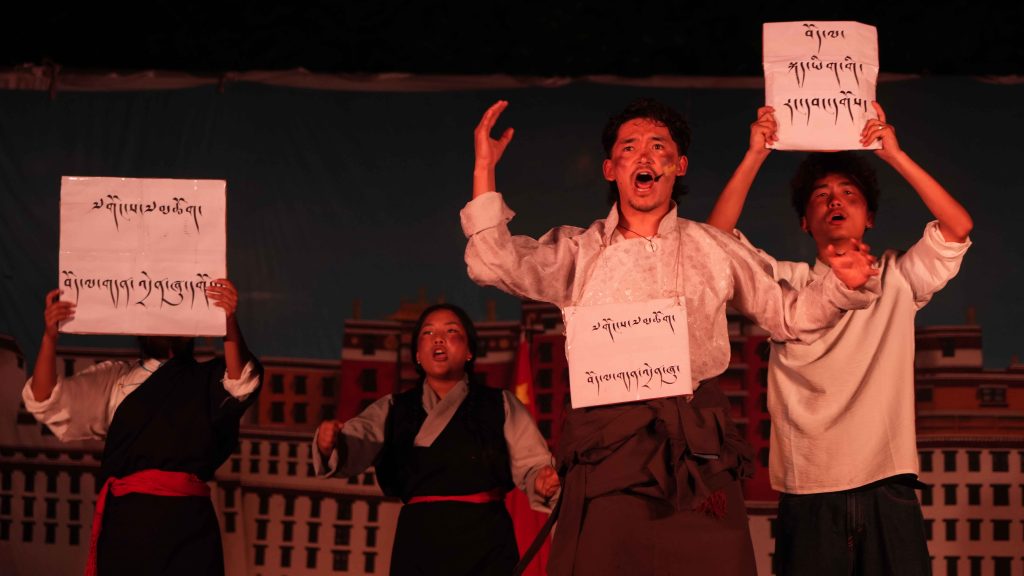
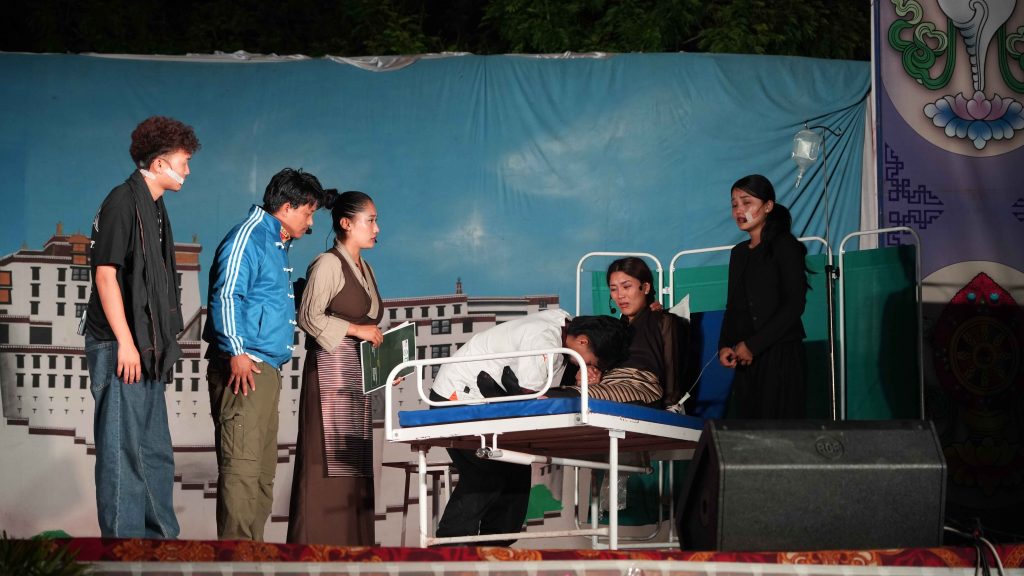
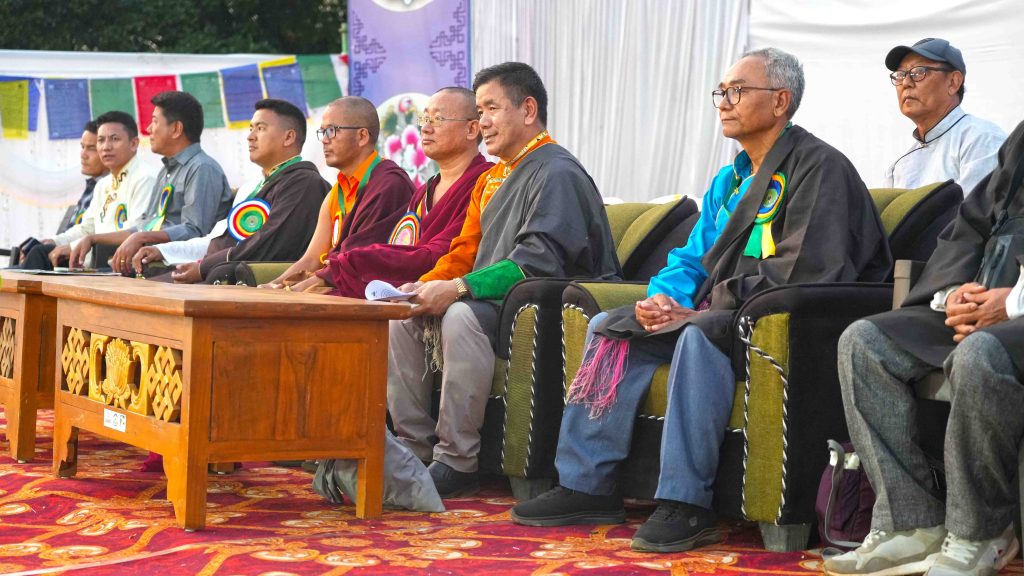
The central aim of this tour was to commemorate the 90th birthday of His Holiness the Dalai Lama and to celebrate the Year of Compassion. The visit also served as a heartfelt tribute to the elder generation whose resilience and sacrifices laid the foundation of these settlements under challenging circumstances. Furthermore, the initiative sought to inspire awareness among the younger generation on the vital importance of preserving and promoting traditional Tibetan performing arts, especially at a time when cultural heritage in exile faces growing challenges.
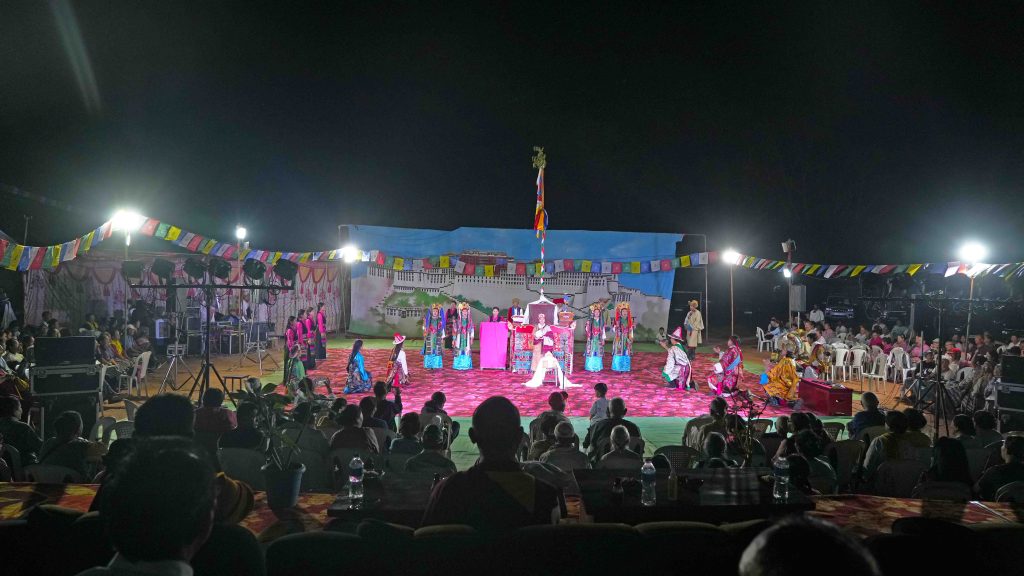
On the evening of 3rd April 2026, at around 7:00 PM, TIPA artists staged a vibrant cultural program at the Sambhota School ground in Norgyeling Settlement. The performance showcased rich and unique Tibetan traditional arts, followed by two compelling theatrical productions titled “The Root of All Sentient Beings’ Happiness is Compassion” and “The Refugee’s Mind.” The event drew an audience of approximately 400, including local dignitaries and members of the public.
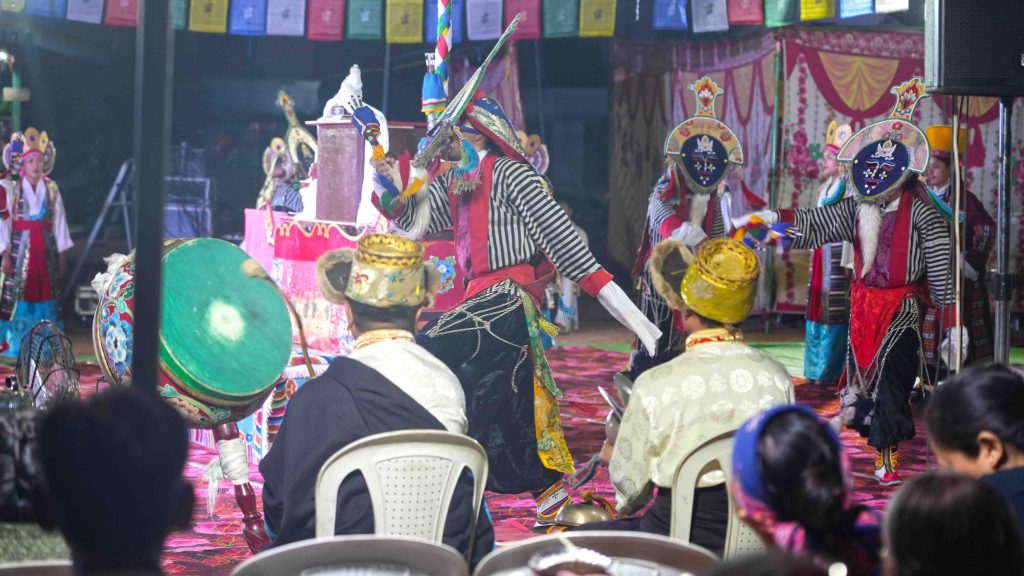
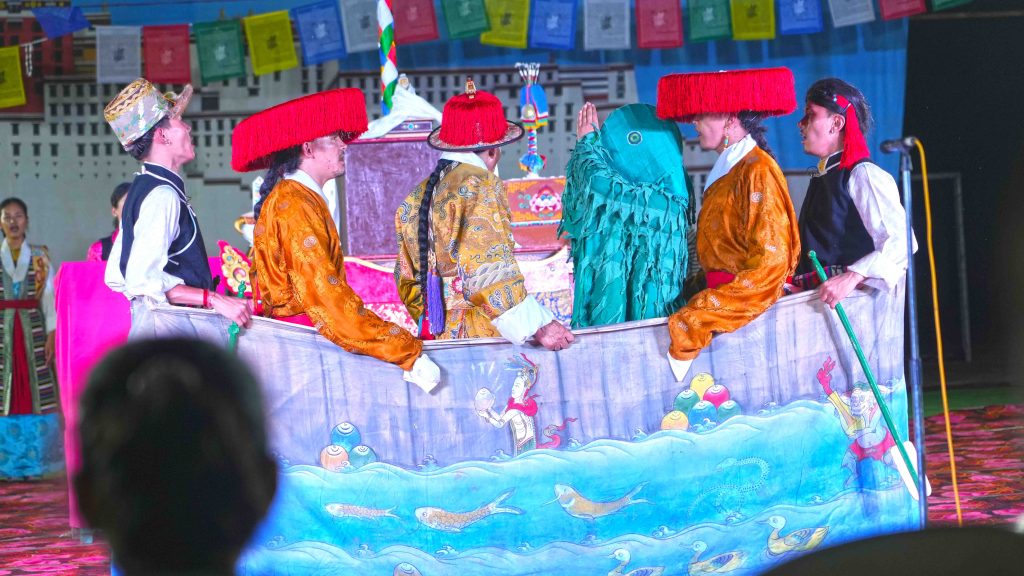
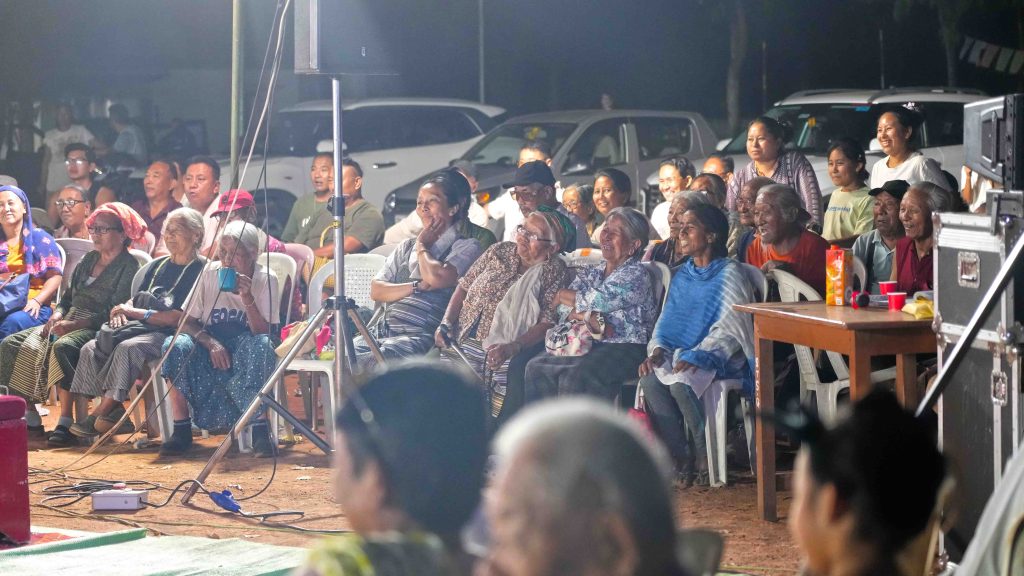
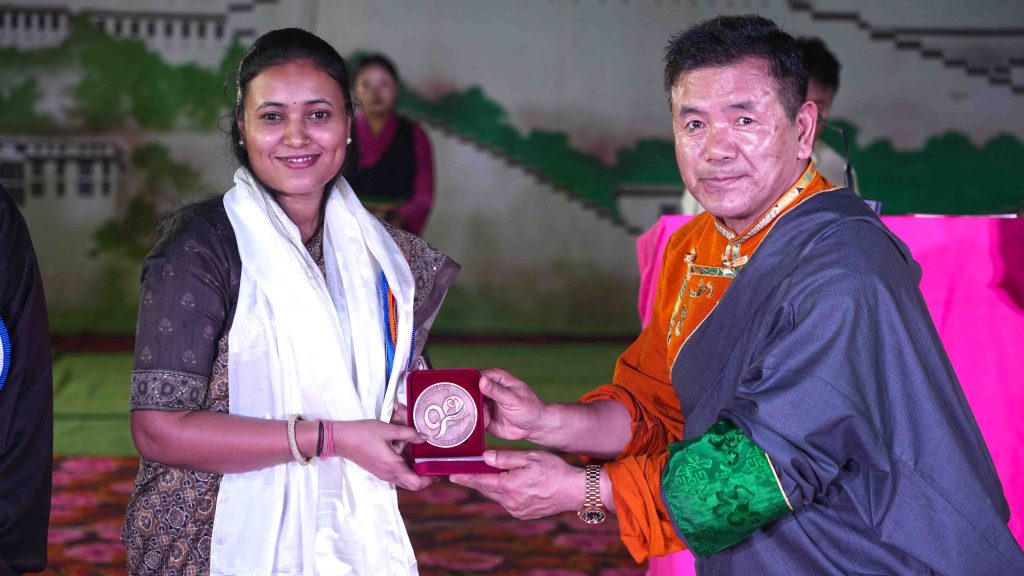
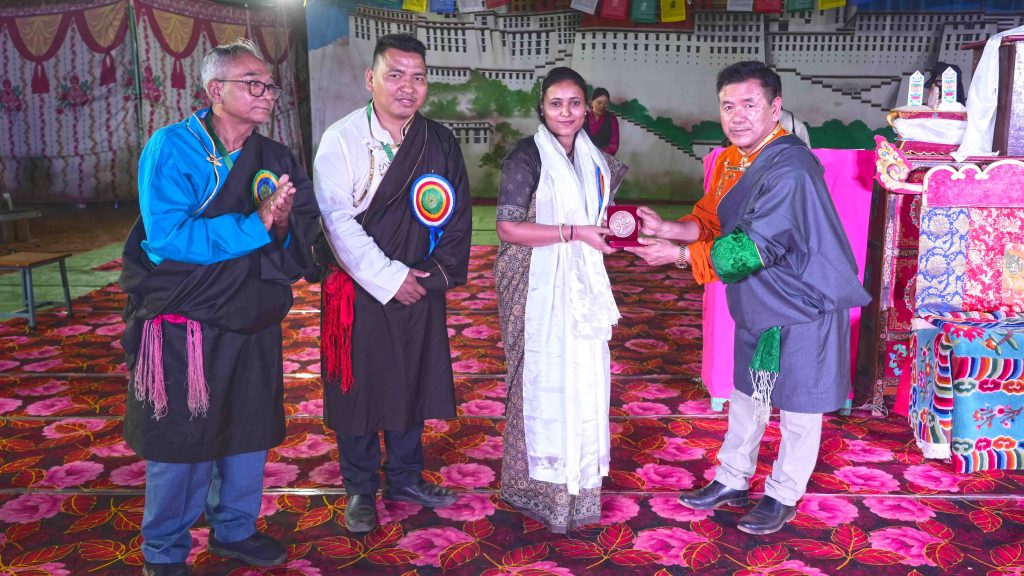
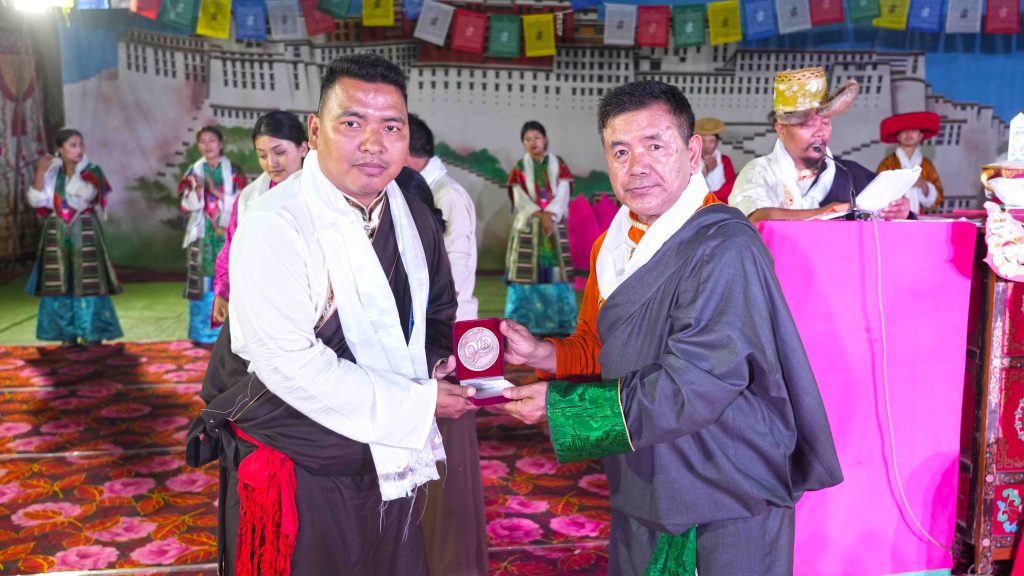
The following evening, 4th April 2026, the same venue hosted a grand presentation of the traditional Tibetan opera “Khewo Pema Woebar.” The event was graced by Chief Guest Venerable Geshe Lharampa Lekshe Tshering and Guest of Honour Smt. Jyoti Kamble, Sub-Divisional Magistrate (SDM) of Arjuni Morgaon, who attended despite her demanding schedule in a gesture of support for Tibetan culture. The performance was witnessed by around 300 attendees, including settlement leaders and community members.
During the program, the Director of TIPA delivered a welcome address, highlighting the evolution and preservation of Tibetan opera both in Tibet and in exile. Despite the high temperature, the artists performed with remarkable dedication and passion. The audience remained fully engaged throughout and responded with enthusiastic applause and deep appreciation.
The tour concluded on a highly successful note, with all TIPA teachers, staff, and artists demonstrating unwavering commitment in fulfilling its objectives. The settlement office, community leaders, local opera associations, youth and women’s associations, and ex-servicemen’s groups extended invaluable support. The overwhelming public response, marked by large attendance and generous contributions, reflected a profound respect for Tibetan cultural heritage and a shared commitment to its preservation.